
Source: Unsplash · License: Unsplash License (free for commercial use, no attribution required) · Credit: Photo by Jared Rice on Unsplash
Is the Philippines Safe to Visit in 2026? A Region-by-Region Answer
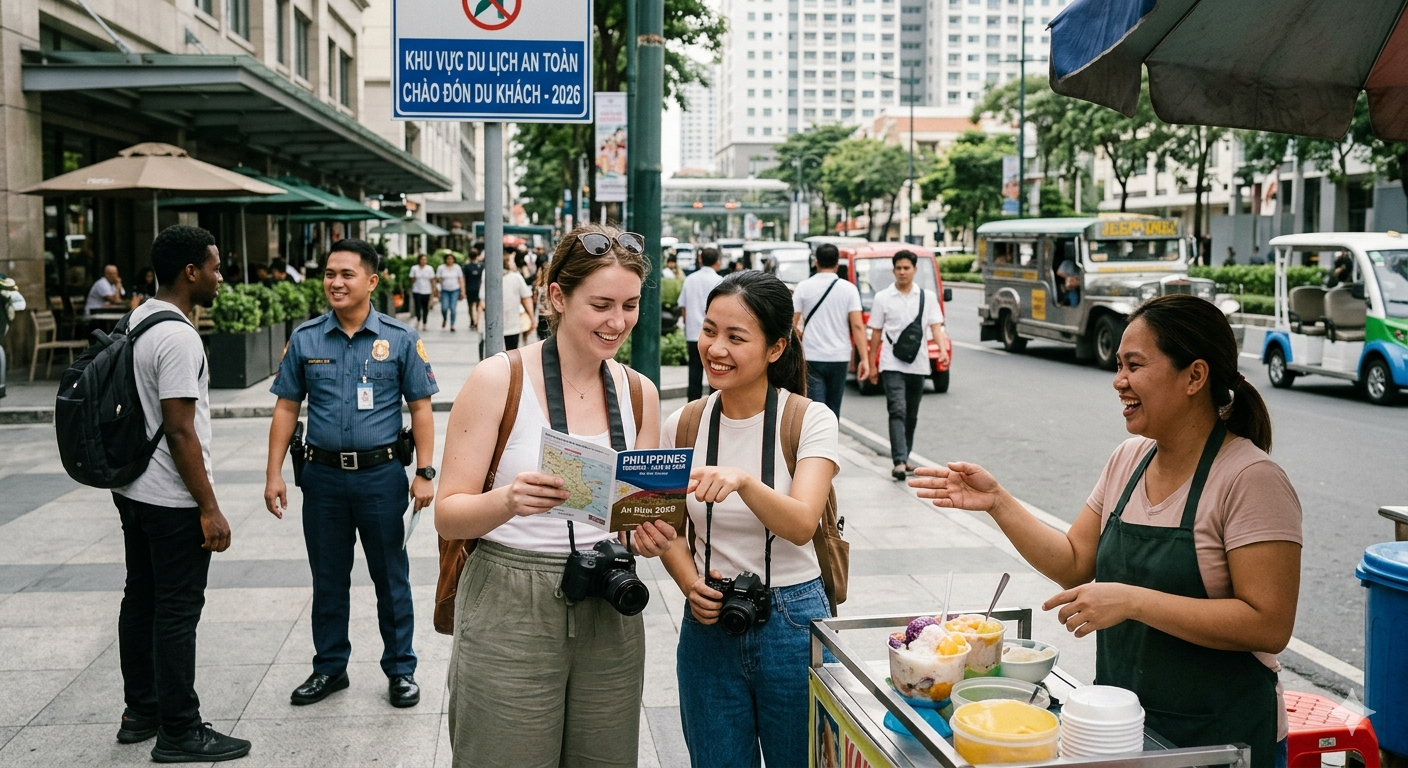
The Philippines is the country that travel-advisory pages are worst at. Read the US State Department alone and you would think the whole archipelago is one long kidnapping risk. Read a backpacker blog and you would think Boracay is essentially Bali with cheaper beer. Neither is true, and the gap between them is the actual answer to the question you came here with.
I have spent stretches in Luzon, Cebu, Palawan, and Siargao across the last six years, and I sit on the advisory board of a community-tourism nonprofit that works with a Philippine partner in Bohol. What follows is the version I give friends — including the ones who message me from Bangalore or Brooklyn asking the same thing: should I actually go.
The honest answer
Source: Unsplash · License: Unsplash License (free for commercial use, no attribution required) · Credit: Photo by David Milmont on Unsplash
Yes — to the right parts, in the right season, with the right reflexes.
The Philippines is a country of 7,641 islands, and "is it safe" is genuinely the wrong shape of question. The Sulu Archipelago, parts of western and central Mindanao, and Marawi City carry a serious risk profile that includes kidnapping of foreigners and active conflict. The UK's Foreign Office advises against all travel to those areas, and the US restricts its own personnel from entering most of Mindanao without authorisation. That part of the warning is not noise — it is correct, and you should respect it.
The rest of the country — Luzon (Manila, Tagaytay, Banaue), the Visayas (Cebu, Bohol, Boracay), Palawan (El Nido, Coron), and Siargao — sits in the same broad safety band as Thailand or Indonesia. Petty theft, scams, transport hazards, and weather are the real risks. Violent crime against tourists is uncommon. If you go in dry season, skip the conflict zones, use Grab instead of metered taxis, and respect the weather, you will almost certainly have an unremarkably good trip.
Safety rating: moderate, with precautions. I would go. I would not send a first-time solo traveler on a complicated multi-island route without a buffer day per leg.
What to know before you go
Visas. Indian passport holders now get 14 days visa-free for tourism, effective from 8 June 2025, provided you have onward travel, a confirmed hotel, and proof of funds. If you hold a valid US, UK, Schengen, Australian, Canadian, Japanese, or Singapore visa or residence permit, that bumps to 30 days visa-free. The 14-day stay is non-extendible and non-convertible — plan inside it or apply for a proper tourist visa via the New Delhi consulate. US, UK, EU, Canadian, and Australian passport holders get 30 days visa-free on arrival as standard.
Health. No vaccines are required for entry from most countries, but Hepatitis A, Typhoid, and routine MMR/Tdap are sensible. Japanese Encephalitis is a consideration if you are doing extended rural stays. Dengue is the real day-to-day risk — there is no useful vaccine for short-term travelers; the answer is DEET and long sleeves at dusk. Malaria is essentially absent from the main tourist routes; Palawan has some risk in remote interior areas, not in El Nido or Coron town.
Money. Cash economy outside the cities and the bigger resort areas. ATMs are everywhere in Manila, Cebu, and Boracay; in El Nido and Coron they exist but run out on weekends. Withdraw before you ferry-hop. Carry pesos, not dollars — the "I'll change at the hotel" plan ends in a bad rate.
Period logistics. Pads are widely available; tampons are reliable only in Manila, Cebu City, and a few Boracay supermarkets. If you use tampons, bring your full trip's supply, or pack a menstrual cup. Public toilets outside malls and airports are inconsistent — carry tissue and hand sanitiser as standard.
Season. Typhoon season runs roughly June to early December, peaking September through November. PAGASA, the national weather service, projected up to 17 cyclones entering Philippine waters between August 2025 and January 2026 — and the pattern continues into 2026. December through May is dry-season window and the only time I would book a trip that depends on island-hopping or domestic flights without serious buffer days. Outside dry season, build in 24–48 hours of slack per inter-island leg.
Where to go — and where not to
Source: Unsplash · License: Unsplash License (free for commercial use, no attribution required) · Credit: Photo by Austin Edwards on Unsplash
I am going to break this into clusters because that is how you will actually decide.
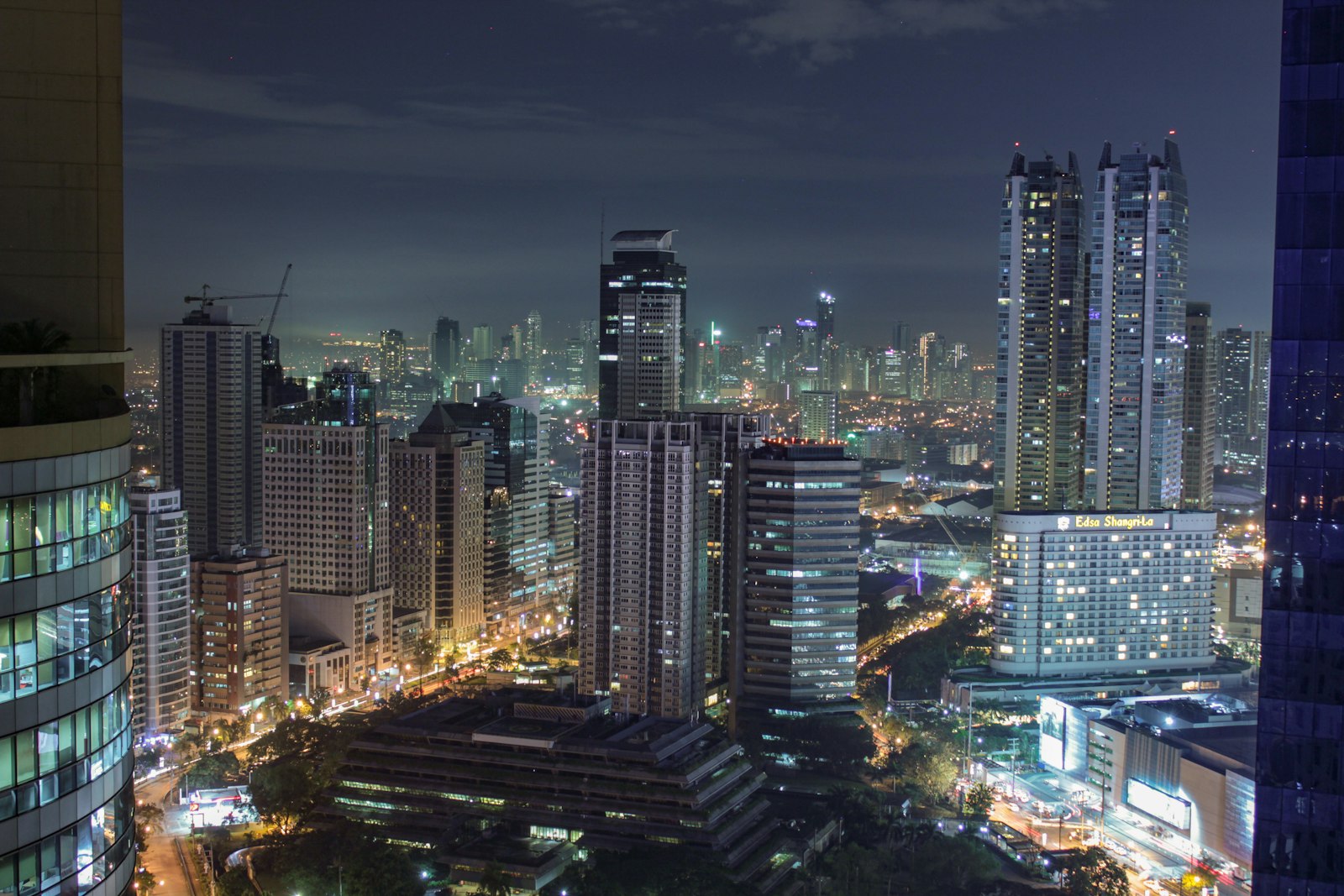
Manila + Tagaytay. Manila is fine. It is also a sprawling capital city with normal urban risks: pickpocketing on jeepneys and in Quiapo, taxi meter scams from NAIA airport, occasional armed hold-ups on buses. Stay in Makati, BGC (Bonifacio Global City), or Ortigas — the areas with consistent lighting, walkable blocks, and a Grab car at every corner. Avoid Manila's Tondo, Quiapo at night, and the area around Roxas Boulevard after dark. Tagaytay as a day trip is straightforward; Taal Volcano sits at Alert Level 1 and remains safe to visit, but PHIVOLCS recommends a mask in case of ashfall — I would buy one before you go.
Cebu + Bohol. Cebu City has the same urban-precaution profile as Manila — petty theft, taxi scams, fine in tourist areas. Bohol (Panglao Island, Chocolate Hills, Loboc River) is one of the easiest places in the country for first-time visitors: small, well-organised, and built around tourism. Note that a magnitude 6.9 earthquake hit northern Cebu in September 2025 with serious infrastructure damage; if you are going to northern Cebu (Bantayan, Malapascua) check on operator status before you book. The southern and central tourist zones were not affected.
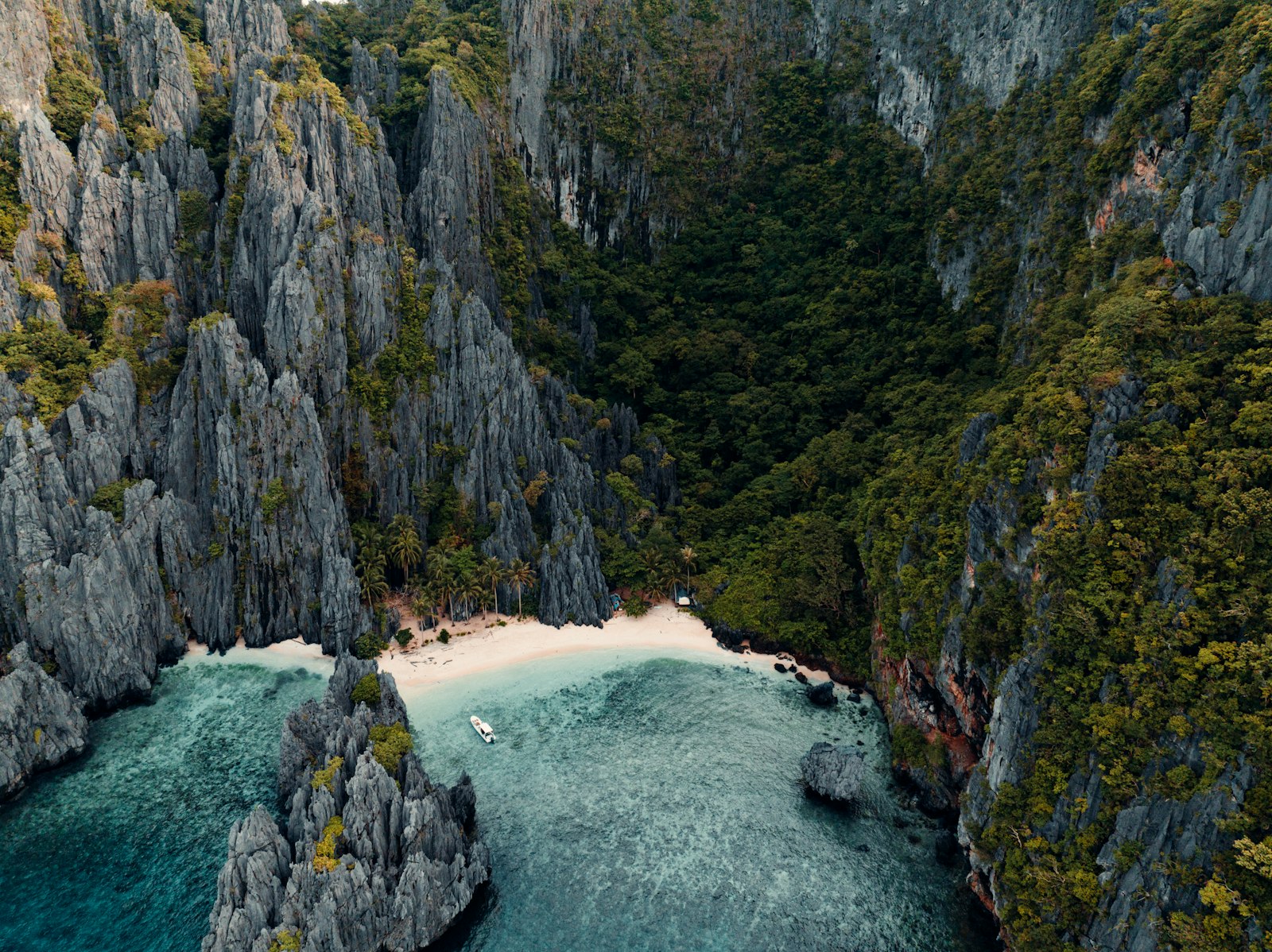
Palawan — El Nido and Coron. Palawan is consistently the safest-feeling province I have spent time in. Violent crime against tourists is rare; the real concern is scams (overpriced island-hopping packages booked through unverified touts) and water safety on tours run by underqualified operators. Book through your guesthouse or a named operator like Big Dream Boatman in Coron. Check that life jackets are actually on the boat before you depart, not "available." Strong currents on outer-island snorkel sites — say no if the conditions look wrong, even if the group goes.
Boracay. Recovered well from its 2018 rehabilitation closure and is well-patrolled. Petty theft on the beach is the main issue. A localised security incident in early 2025 prompted the Department of Tourism to publicly reaffirm safety; the day-to-day experience for visitors did not meaningfully change. There has, separately, been a small but real number of sexual assault reports flagged by the UK Foreign Office on backpacker islands including Siargao and Boracay — drink-spiking is the pattern. Watch your drink the same way you would in Bali or Goa.
Siargao. My favourite of the surf islands. General Luna, Cloud 9, Pacifico — all manageable. Same drink-spiking caveat as above; same advice. The island also sits in a typhoon corridor — Super Typhoon Rai devastated it in 2021 and recovery shaped the current infrastructure. Avoid October–December if you can.
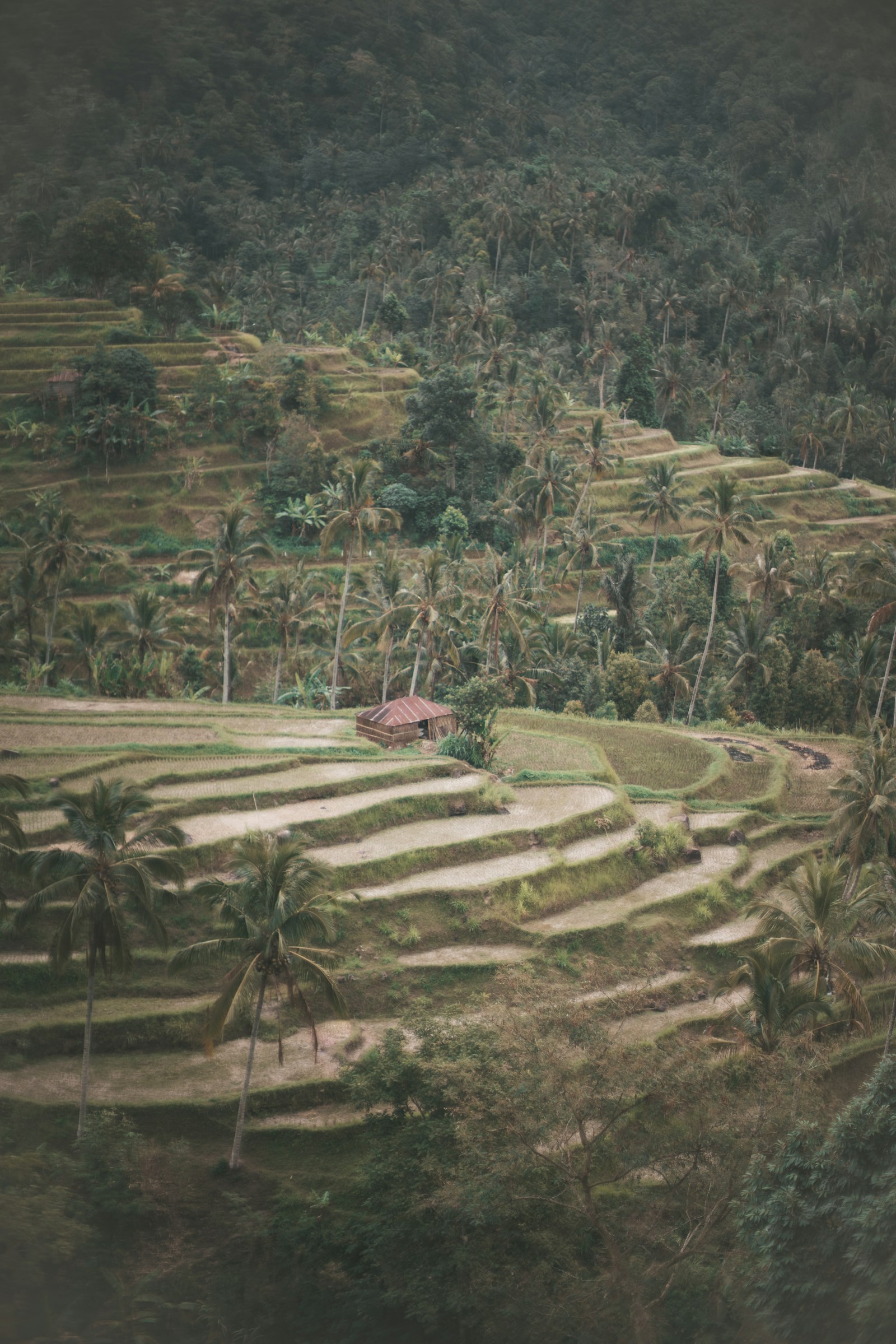
Banaue and the Cordillera. The rice terraces are reached by an 8–10 hour overnight bus from Manila. The route is well-trodden and safe; the actual risk is altitude rain making mountain trails slippery, and night-bus comfort. Bring a fleece — Banaue gets genuinely cold. Sagada is a worthwhile add-on; Bontoc as a transit hub only.
Hard no for tourists. Western and central Mindanao, the Sulu Archipelago (Sulu, Basilan, Tawi-Tawi), Marawi City. The kidnapping threat in these areas is real and ongoing — the UK FCDO and US State Department are aligned on this, and travel insurance will not cover you if you go anyway. Davao City and Siargao are explicit exceptions and are fine.
Getting around safely
Source: Unsplash · License: Unsplash License (free for commercial use, no attribution required) · Credit: Photo by Bernd Dittrich on Unsplash
Grab over street taxis, every time. Grab is the dominant ride-hailing app and works exactly like Uber. NAIA airport taxi overcharging is the single most consistent tourist complaint in the country — fixed-rate "yellow" airport taxis exist but Grab from arrivals is cleaner.
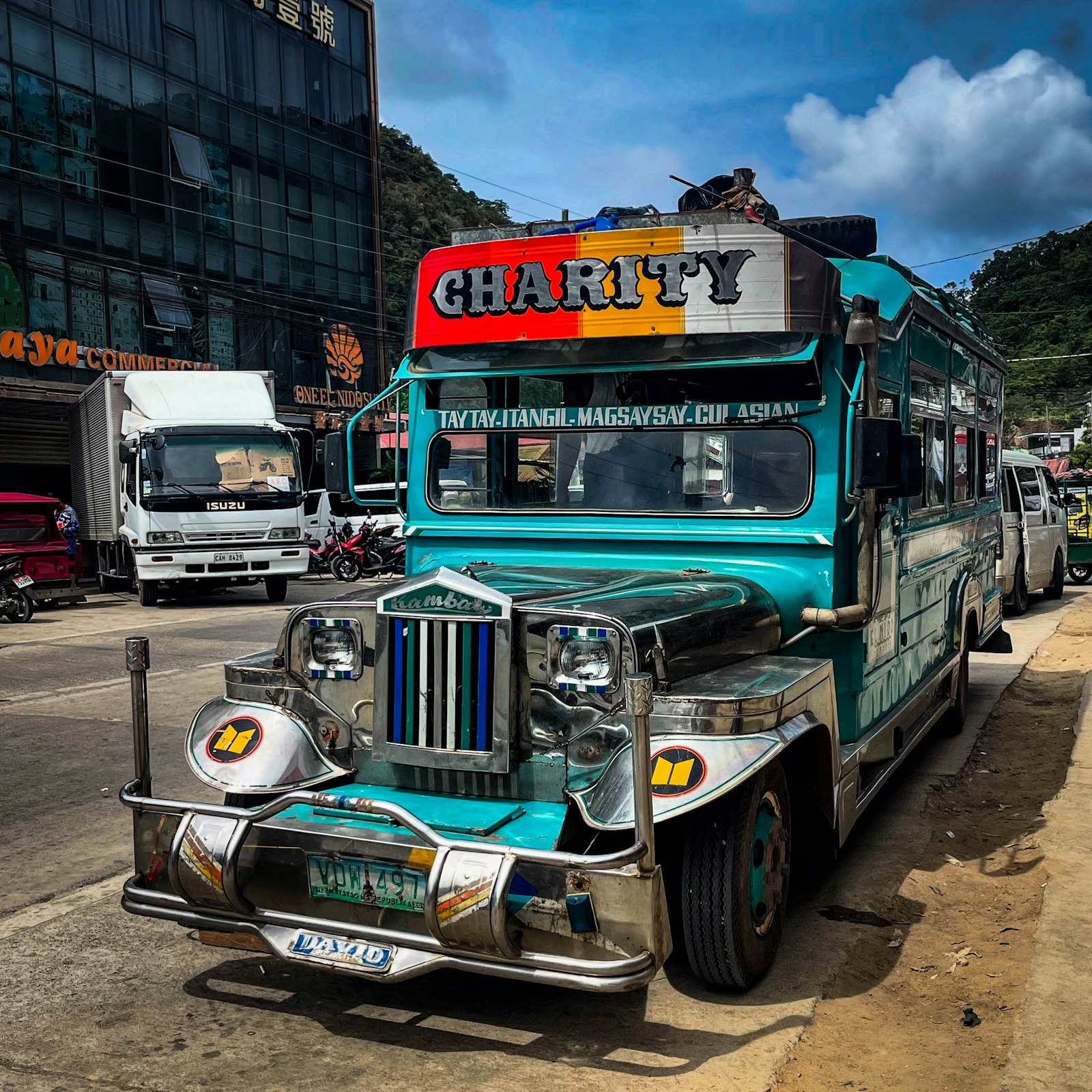
Jeepneys. Iconic, cheap, and not where I would put a first-time visitor at night with a backpack. Daytime in tourist areas: fine. Late-night in Manila: take a Grab. Armed hold-ups on jeepneys and buses do happen — uncommon but not zero, and US embassy staff are formally banned from using them, which tells you something about the institutional read.
Inter-island ferries. Use the named, larger operators — 2GO Travel, Montenegro Shipping Lines, OceanJet for short hops. Avoid small ferries on stormy days regardless of operator. The MV Trisha Kerstin 3 disaster in January 2026, run by Aleson Shipping Lines between Zamboanga and Jolo, killed 29 people; Aleson's entire fleet was grounded as a result. The lesson is not "don't take ferries" — millions of Filipinos travel safely every week — it is "check the weather window and skip dodgy operators." If the forecast is borderline, fly. Cebu Pacific and Philippine Airlines fly most of the routes you would otherwise ferry.
Domestic flights. Generally reliable, frequently delayed. Build a buffer if you are connecting to an international flight out of Manila. Manila's domestic terminals (T2 for PAL, T3 for Cebu Pacific) are different from the international terminal — leave time for the inter-terminal transfer.
Where to stay
Source: Unsplash · License: Unsplash License (free for commercial use, no attribution required) · Credit: Photo by Bernd Dittrich on Unsplash
I default to small, owner-run places where I can — they tend to be safer, not because of locked gates but because someone notices when you do not come home.
In El Nido, Frangipani Beach Villas and Spin Designer Hostel both have strong solo-traveler reputations and the latter runs day-tour vetting in-house. In Coron, Hop Hostel is the established backpacker base. In Siargao, Bravo Beach Resort in General Luna is a solid mid-range; Harana Surf Resort is the better learn-to-surf option. In Cebu, Tr3ats Guest House is run by a local family with very active front-desk presence. In Bohol (Panglao), Henann Resort for resort-style and Isola Bella for boutique are both stable. In Manila, stay in BGC (the Seda BGC or Citadines Salcedo) or Makati — both let you walk to restaurants without taking transport at night.
Avoid the cheapest options in central Manila that advertise on aggregator sites with no reviews — there is a long tail of dodgy guesthouses near the airport that are nominally cheap and practically not.
If something goes wrong
Emergency numbers. Police: 117 (or 911, which routes to police in most cities). Tourist police hotline: (02) 8524-1660 or 8524-1728. Department of Tourism 24/7 hotline: 151-TOUR (151-8687). The DoT line is genuinely useful — staffed by people whose job is to help foreign visitors.
Embassies in Manila.
US Embassy: 1201 Roxas Boulevard, Manila — +63 2 5301-2000
UK Embassy: 120 Upper McKinley Road, McKinley Hill, Taguig — +63 2 8858-2200
Embassy of India: 2190 Paraiso Street, Dasmariñas Village, Makati — +63 2 8843-0101
Australian Embassy: Level 23, Tower 2, RCBC Plaza, Makati — +63 2 7757-8100
For women specifically. The Philippine Commission on Women operates a national helpline; the most useful number on the ground is the Department of Social Welfare and Development's Women and Children's Protection desk at any major police station — they exist precisely because filing through general intake is patchy. If you are a foreign tourist reporting an assault, ask for the WCPD by name. Reporting takes time. Have someone with you if you can.
Drugs. Do not. The Philippines retains very harsh drug penalties despite the post-Duterte administration softening — possession of small amounts is still prison-track. Foreign nationals are not exempt.
Where your money goes
The Philippines does community-based tourism better than it gets credit for. A few names worth knowing:
Bojo River Cruise (Cebu) — operated by a community cooperative; profits stay in the village.
Masungi Georeserve (Rizal) — a conservation project doing real reforestation work; book the Discovery Trail, not the cheaper imitations.
Tao Philippines — multi-day boat expeditions between El Nido and Coron, with a foundation arm that funds island-community projects. Not cheap, transparently structured, and the model I trust most in the country.
Bohol Bee Farm — long-running, woman-founded, employs across the village, organic farm.
For wildlife, avoid the captive tarsier "sanctuaries" on the road to the Chocolate Hills that let tourists handle the animals — tarsiers are nocturnal and stress-die. Corella Tarsier Sanctuary (Philippine Tarsier Foundation) is the credible one and does not permit handling.
Skip "voluntourism" placements that put you in classrooms or orphanages on short stays. The harms are well-documented; if you want to give back, donate to a credible local organisation and travel as a visitor.
The bottom line
I would go. Specifically: I would go in February or March, fly into Cebu rather than Manila if I could, do a week of Bohol-and-Cebu, fly to Palawan for five days split between Coron and El Nido, and finish with two nights in Manila to fly out. I would Grab everywhere, drink at places with table service, and not book the cheapest island-hop boat. I would not go to Mindanao outside Davao or Siargao, and I would not plan a typhoon-season trip without a serious buffer.
The Philippines is not the country its advisory page suggests, and it is not the country its hostel-bar reputation suggests either. It is a regular Southeast Asian destination with one serious geographic exception and a calendar problem. If you respect both, the rest is mostly snorkeling.
Solo female traveler from Bangalore. Safety advocate, responsible tourism, women-run cooperatives — empowering, never alarmist.
✦ More from Priya Sharma


✦ Keep reading
More from this region


More in Destinations
✦ Discussion
Start the discussion
No replies yet — yours could be the first.