
Source: Unsplash · License: Unsplash License
What Women Actually Wear in Southeast Asia: A Country-by-Country Guide
Two of the questions I hear most often from women planning a first SEA trip are some version of: "can I wear shorts in Cambodia?" and "what about Malaysia?" The answer to both is yes — and also, in some places, no — and the way most travel sites handle it (vague "dress modestly!" hand-waving or scolding lists of don'ts) is exactly why you're still asking. So here's the version I'd give a friend: calibrated by country, by region, by setting, with the actual reasoning behind each call.
The honest answer
Southeast Asia is, on the whole, more relaxed about women's clothing than the internet suggests. In tourist zones across Thailand, Vietnam, Cambodia, the Philippines, and Singapore, shorts, sundresses, tank tops — all normal, all unremarkable. Local women wear them too.
Where it actually matters is narrower than the panic content makes out: religious sites (every country, no exceptions worth making), certain conservative regions within Indonesia and Malaysia (Aceh, West Sumatra, Kelantan, Terengganu), and royal buildings in Thailand (the Bangkok Grand Palace runs the strictest enforcement of any non-religious site I've been to).
The rule of thumb I use: in cities and on beaches, dress how you'd dress at home in a warm climate. At a temple, mosque, palace, or in a small village in a conservative province, cover shoulders and knees. That's roughly 90% of what you need to know. The country-by-country detail below is for the other 10% — the calls that actually trip people up.
This piece pairs with our broader solo female travel guide to Southeast Asia — read that for the safety frame; read this for the wardrobe one.
What to know before you go
Source: Unsplash · License: Unsplash License
A few things that apply everywhere in SEA, regardless of country:
Carry a sarong. A large cotton or rayon scarf, about 100 x 180cm. It's a skirt, a shoulder cover, a beach towel, an aeroplane blanket, an emergency wrap for an unexpected temple stop. Every woman I know who travels SEA regularly carries one. Buy it cheap at the first market you hit.
Religious sites mean covered shoulders and knees. Buddhist, Hindu, Muslim — the rule is consistent. Mosques add a head covering for women (a scarf you can drape works fine; no separate hijab needed unless you're entering one of the most sacred prayer halls, in which case they'll usually lend you a robe).
Pants > leggings for conservative areas. Tight leggings often read as more revealing than loose linen trousers in places where modesty matters. I learned this the hard way in Banda Aceh.
Beachwear stays on the beach. Bikinis and crop tops in resort areas are completely fine. Walking through a town centre in a bikini top is read as disrespectful pretty much everywhere, including Bali.
Race and visibility shift the experience. A South Asian or Southeast Asian–presenting woman in a tank top draws different attention than a white or Black Western woman in the same outfit. I get read as local in much of the region, which is mostly an advantage and occasionally means stricter local expectations are applied to me. Calibrate based on who's looking at you — and don't take "but the white tourist over there is wearing less" as the benchmark; she's getting away with something the locals around her quietly note.
Thailand: relaxed almost everywhere — except the palaces
Source: Unsplash · License: Unsplash License
Bangkok, Chiang Mai, Phuket, Krabi, Koh Samui — shorts, sundresses, tanks, all fine. Thai women in Bangkok wear short shorts in 38°C heat and nobody blinks.
The hard exceptions:
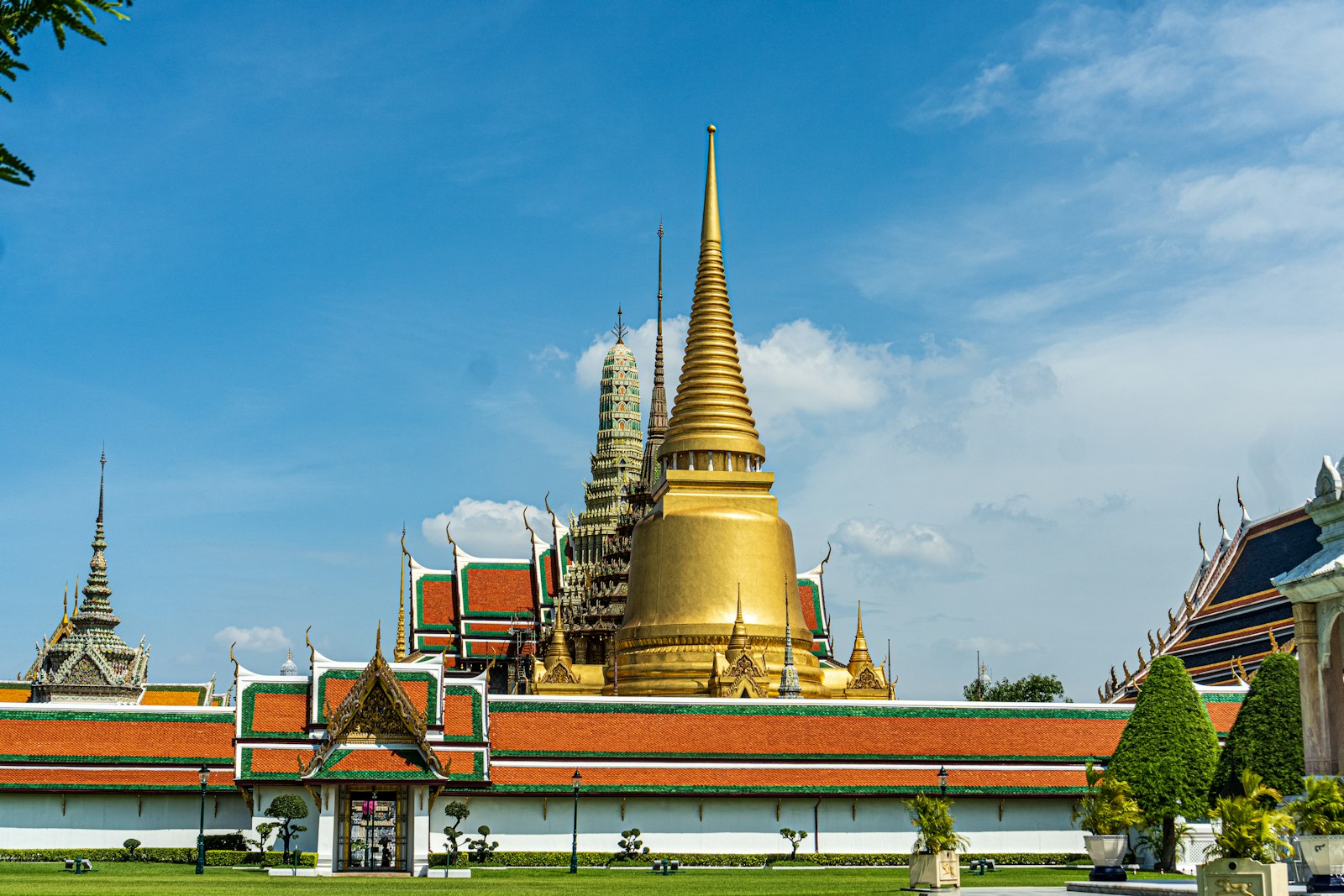
The Grand Palace and Wat Phra Kaew (Bangkok) enforce the strictest dress code I've encountered anywhere in SEA. No shorts of any length, no skirts above the knee, no sleeveless tops, no ripped jeans, no see-through fabric. They have a rental booth at the entrance (around 200 baht refundable deposit) where you can borrow pants and shoulder covers, but the queue eats an hour you didn't plan for. Wear long pants and a t-shirt that covers your shoulders from the start.
Other major temples (Wat Pho, Wat Arun, Ayutthaya, Doi Suthep in Chiang Mai) want covered shoulders and knees but are more relaxed about how you achieve it. A sarong over shorts works. Wraps are usually available at the entrance for a small fee or deposit.
Deep south (Pattani, Yala, Narathiwat — the Muslim-majority provinces) is more conservative, but it's also actively advised against by most foreign offices for unrelated security reasons. If you go, dress as you would in Malaysia's Kelantan.
Vietnam: easygoing, with one note on the north
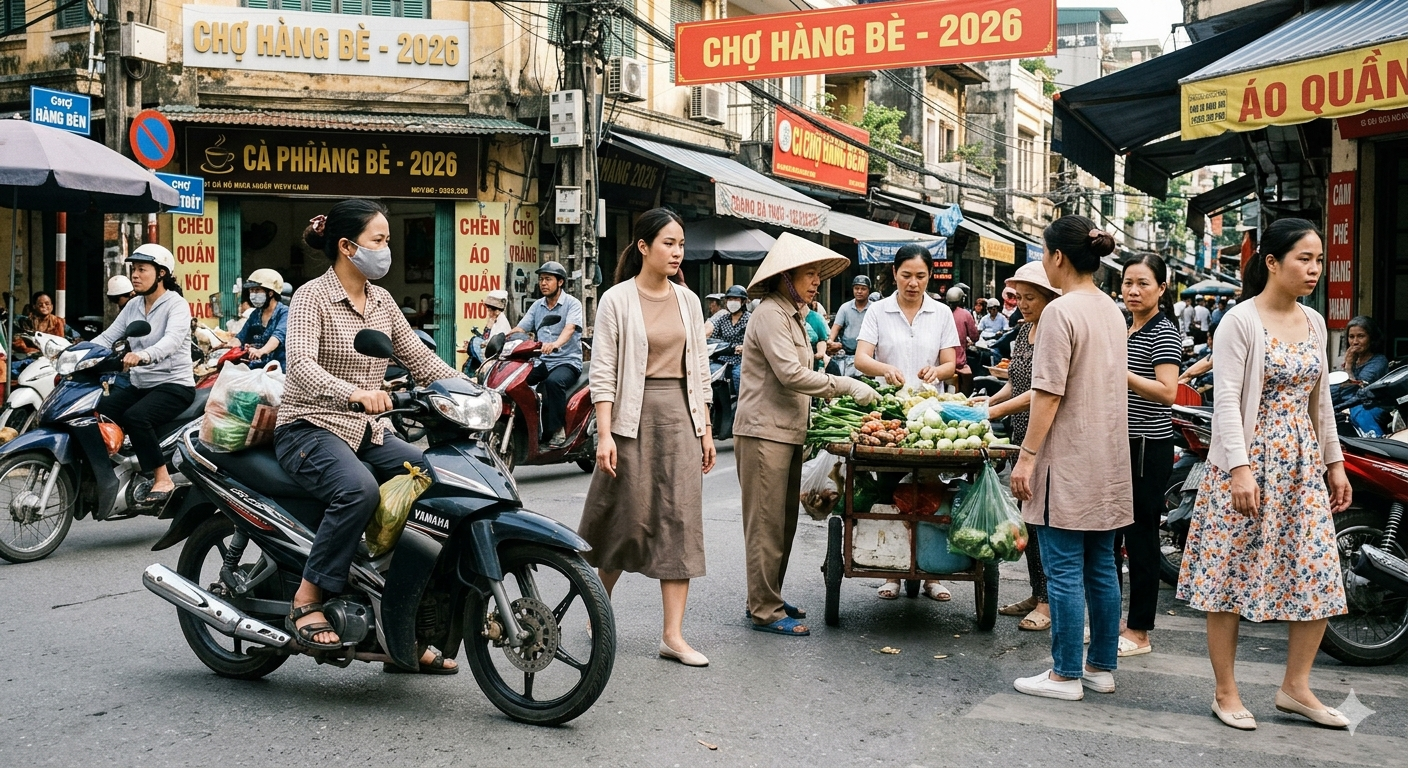
Hanoi, Saigon, Da Nang, Hoi An, Hue, Sapa — wear what you want. Vietnamese women in cities wear shorts, crop tops, mini skirts. The country reads more relaxed about women's clothing than most of its neighbours.
The one note: rural northern villages (the homestay circuit around Ha Giang, Mu Cang Chai, Bac Ha) lean more traditional, and very short shorts plus a tube top in a Hmong or Dao village will draw long looks from grandmothers — not hostility, just visible disapproval. Mid-thigh shorts and a t-shirt is unremarkable. Same logic for pagodas anywhere in the country: shoulders and knees, and remove shoes before entering the prayer hall.
Cambodia outside the temples is fine; inside them is strict
Source: Unsplash · License: Unsplash License
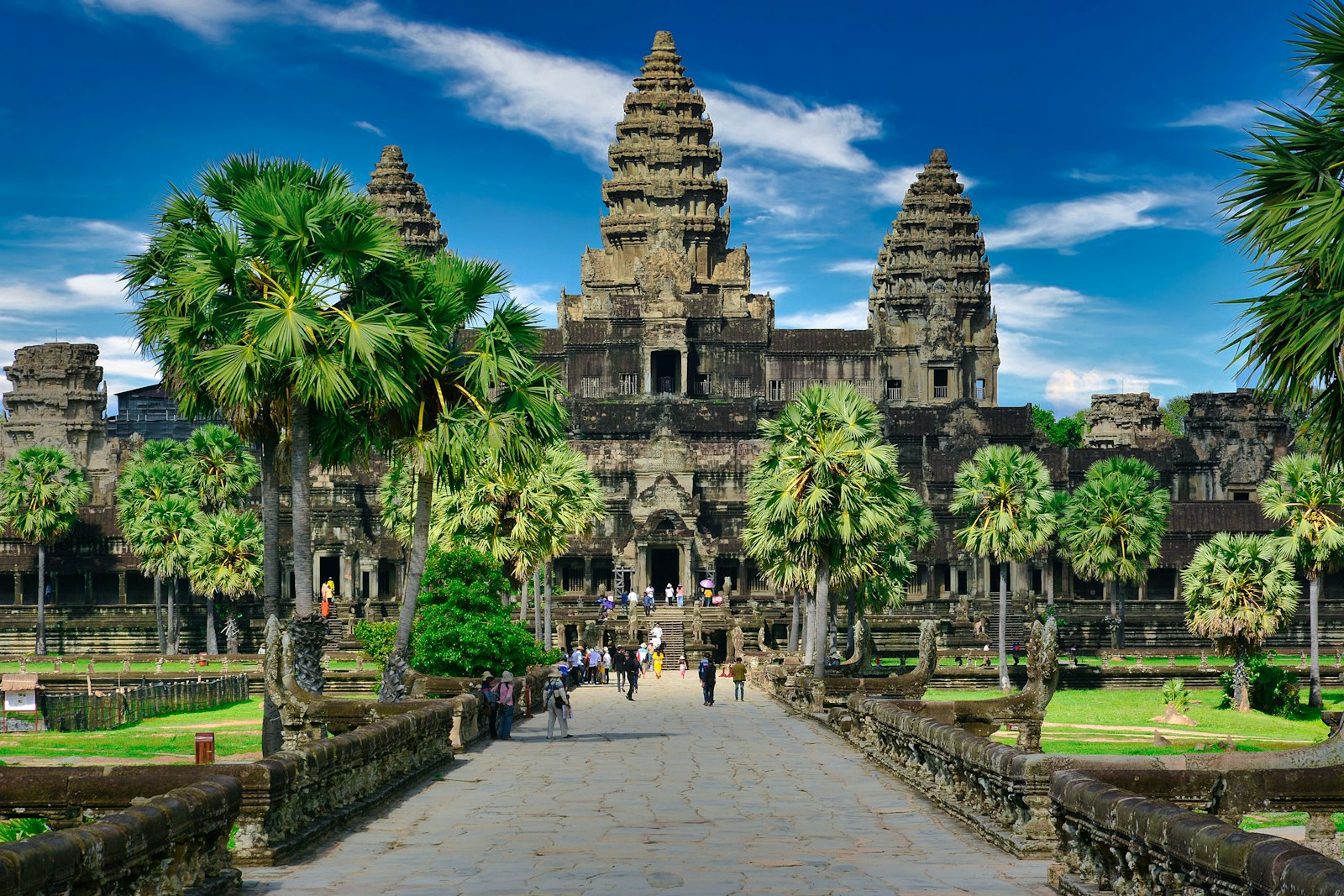
The original question — "can a woman wear shorts in Cambodia?" — gets a confident yes for Phnom Penh, Sihanoukville, Kampot, Battambang, Siem Reap town. Khmer women in cities wear shorts. Tourists wear shorts. No issue.
Angkor Archaeological Park is a different story. Since mid-2016, dress code has been actively enforced by guards at the major temples — Angkor Wat itself, Bayon, Ta Prohm, Banteay Srei. The rule:
Knees covered. This means shorts that reach the knee (Bermuda length), capris, or long pants or skirts. Mid-thigh shorts will get you turned away at the upper levels of Angkor Wat — specifically Bakan, the central tower where the steepest climb is. Guards check.
Shoulders covered. T-shirts are fine. Tank tops, spaghetti straps, off-shoulder tops will get you turned away.
No see-through fabric even if technically covering the right zones.
There's no sarong rental at Angkor on the scale Borobudur has — you'll need to arrive properly dressed. The light cotton "elephant pants" sold all over Siem Reap for $3–5 are the practical solution; they're loose, breathable, and pass the dress code without question.
Outside Angkor, the smaller temples around the country (Sambor Prei Kuk, Banteay Chhmar, Preah Vihear) ask the same standard but enforce less strictly. The royal palace in Phnom Penh enforces about as strictly as the Grand Palace in Bangkok — pants and covered shoulders, no flex.
Malaysia: state matters more than country
Source: Unsplash · License: Unsplash License
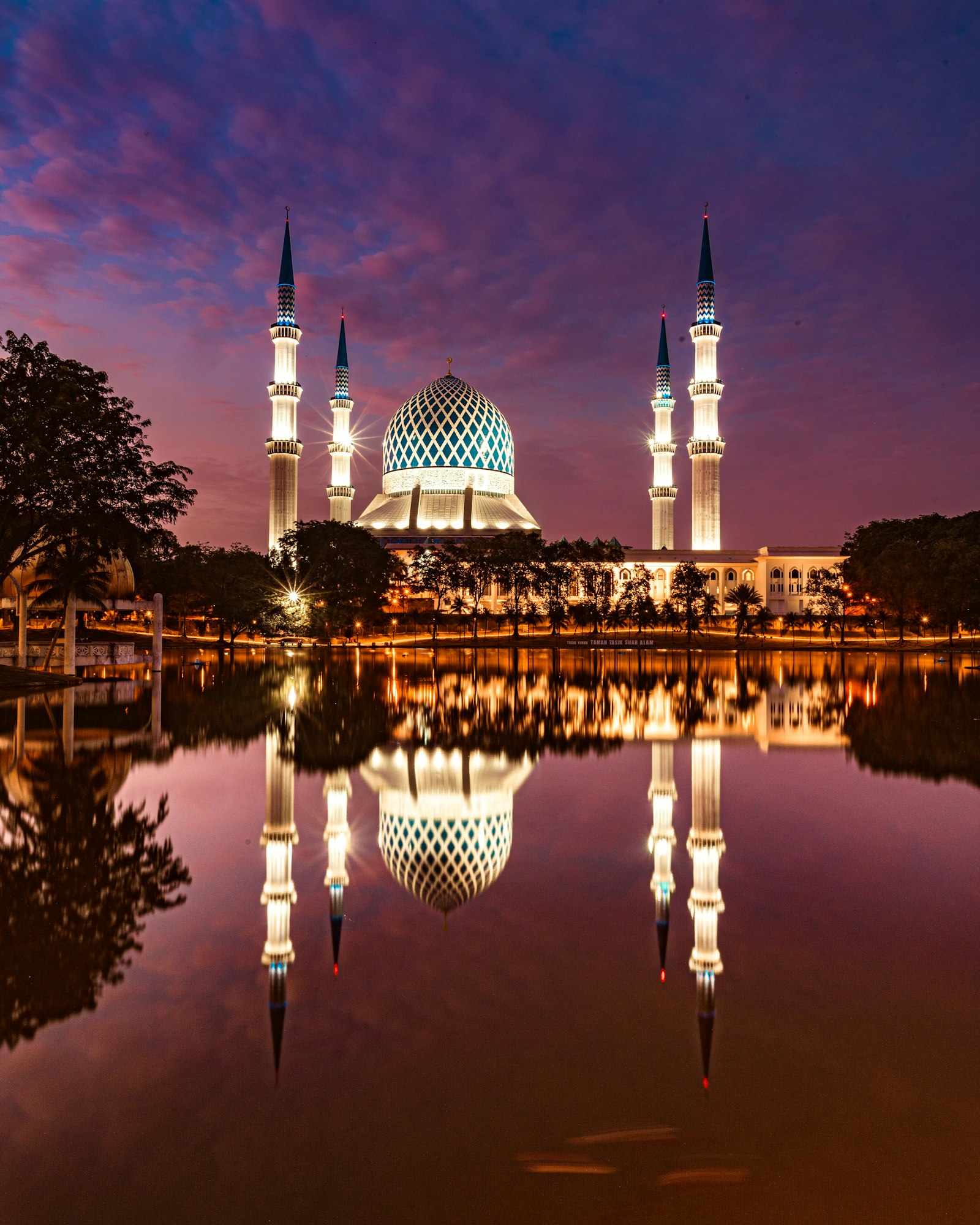
This is where the answer to "can females wear shorts in Malaysia?" gets genuinely complicated, because Malaysia operates a dual legal system — federal civil law plus state-level Sharia law that applies to Muslim citizens. As a non-Muslim foreign tourist, Sharia rulings don't legally apply to you, but the social atmosphere in each state varies sharply.
Relaxed:
Kuala Lumpur, Penang (Georgetown), Melaka, Johor Bahru. Shorts, dresses, tanks — fine. Bukit Bintang and KLCC are as cosmopolitan as Bangkok. Local Malay women in shorts are visible everywhere.
Borneo — Kota Kinabalu, Kuching, the Sarawak and Sabah parks. Diverse, relaxed, ethnically mixed. Wear what's practical for the heat and the jungle.
Calibrate:
Smaller towns in peninsular Malaysia, especially the east coast outside resort areas (Kuantan, Kuala Terengganu). Knee-length shorts and a t-shirt, no issue. Very short shorts or visible cleavage will read out of place.
Cover up:
Kelantan and Terengganu. These are Malaysia's most conservative states, both with active state-level enforcement of Sharia-compliant dress for Muslims and a visibly more conservative social atmosphere overall. Foreign non-Muslim women won't be issued fines — those don't legally apply to you — but you'll attract intense attention in shorts or sleeveless tops. The east coast islands (Perhentian, Redang) are tourist bubbles where beachwear is normal, but on the mainland and in Kota Bharu, wear knee-length-or-longer skirts or trousers and sleeved tops. Bring a scarf for spontaneous mosque visits.
Mosques anywhere in Malaysia: shoulders, knees, and a head covering. The big ones (Masjid Negara in KL, Masjid Putra in Putrajaya, Masjid Kapitan Keling in Penang) lend out robes — pink at Putra, purple at Negara — that go over whatever you're wearing.
Indonesia: the widest internal range in SEA
Source: Unsplash · License: Unsplash License
Indonesia is the country where the country-level answer is most useless, because the regional spread is enormous.
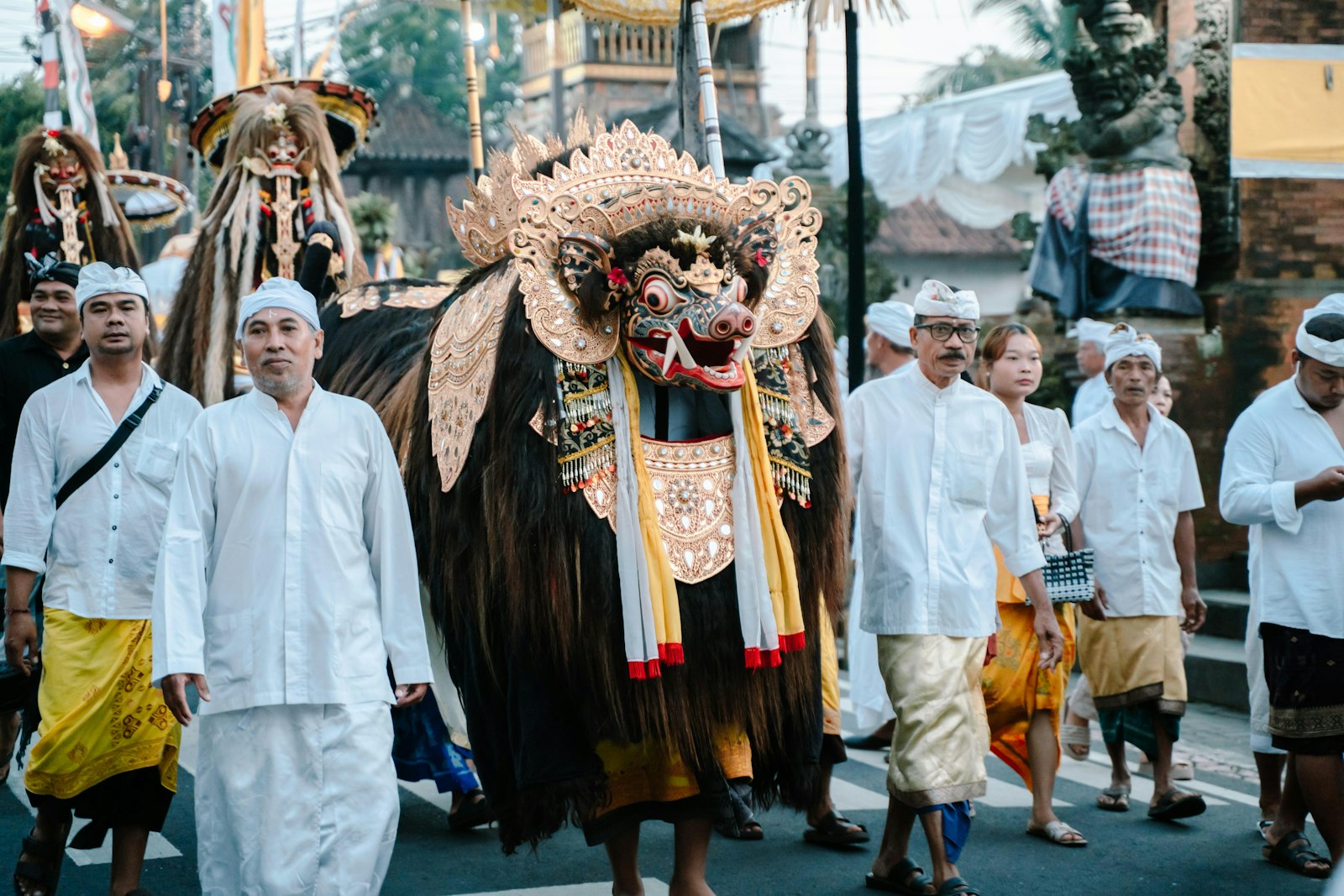
Bali is the most liberal — beach culture, large Hindu rather than Muslim majority, used to international tourism. Bikinis on the beach, shorts and crop tops in Canggu, Seminyak, Ubud. The exceptions are the temples:
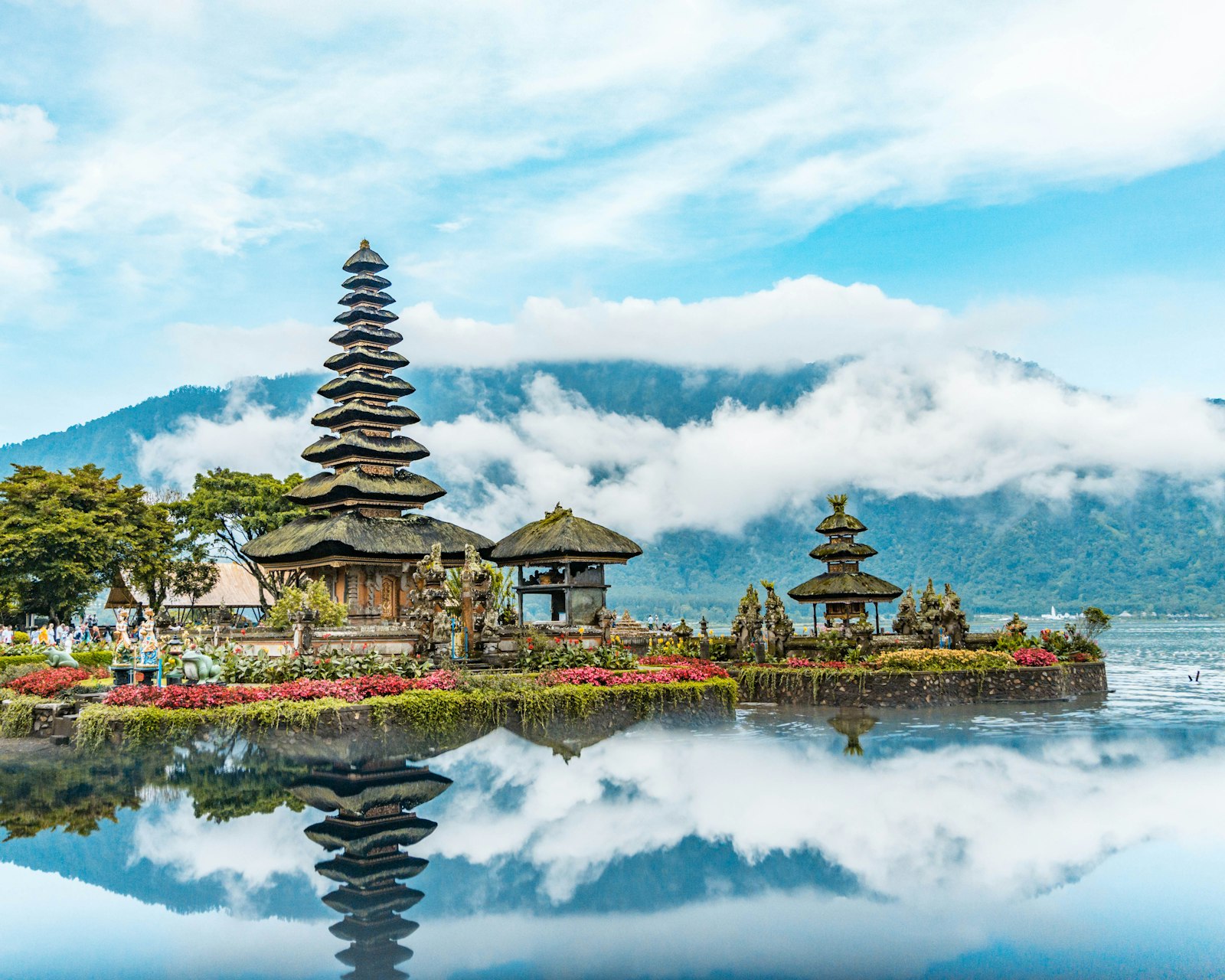
Bali's temples (Tanah Lot, Uluwatu, Besakih, Ulun Danu Bratan, Tirta Empul, Lempuyang) all require a sarong tied at the waist and a sash. Most have them available at the entrance for free or a small donation. Shoulders should be covered too, though enforcement varies. A scarf in your bag handles it.
Java sits in the middle. Yogyakarta and Solo are relaxed; the cities are used to tourists; shorts and t-shirts pass without comment in tourist areas. But:
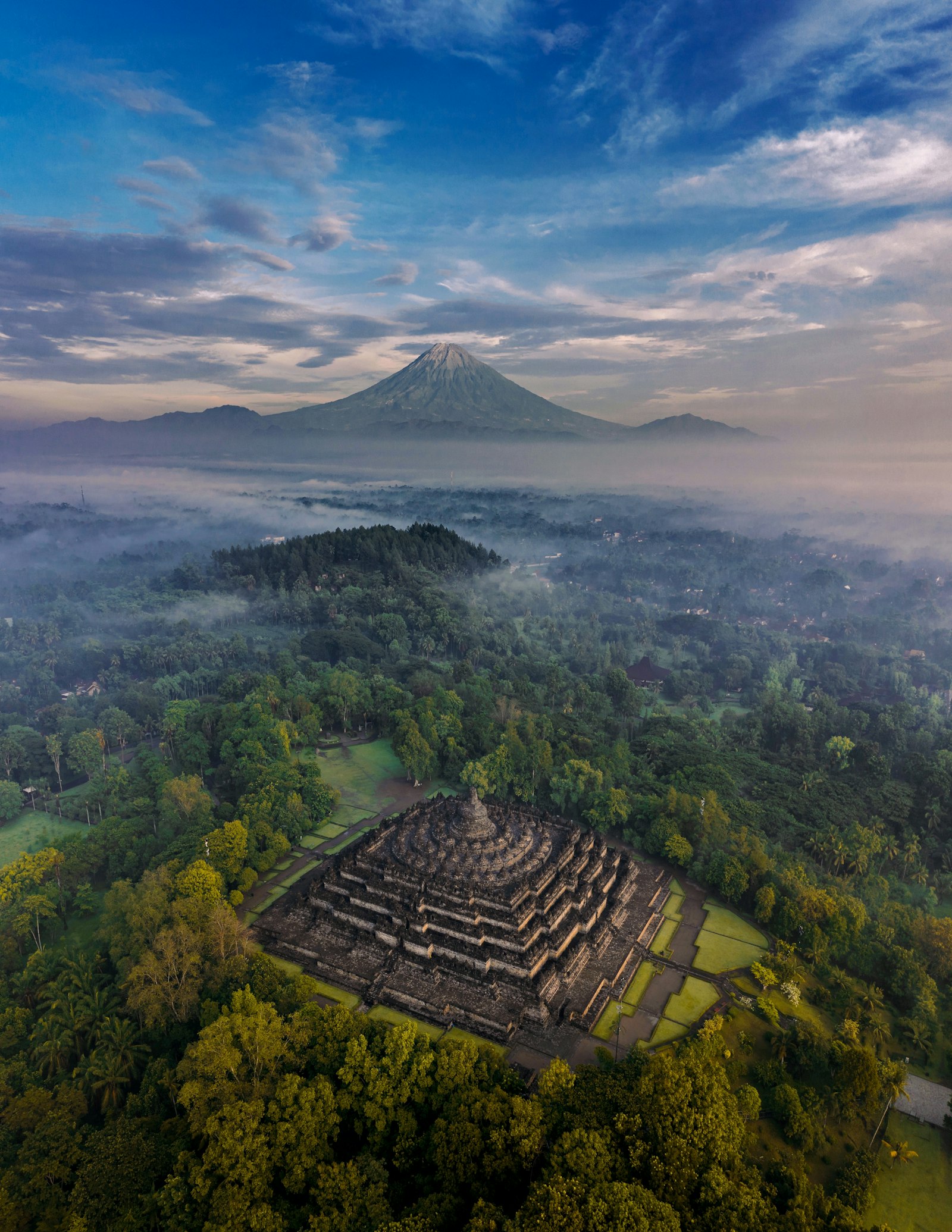
Borobudur and Prambanan require a sarong if your knees or shoulders are exposed. Borobudur staff hand them out free at the entrance. Wear them properly tied at the waist — not just draped over your arm.
Jakarta, Bandung, Surabaya function as international cities; dress accordingly.
Lombok is Muslim-majority and noticeably more conservative than Bali, except for the Gili Islands and Kuta Lombok's surf scene which are tourist bubbles. In Mataram or rural Lombok, knee-length shorts and covered shoulders read better.
Sumatra is broadly more conservative, especially Aceh and West Sumatra.
Aceh operates Sharia law for Muslims and the social atmosphere reflects that. Foreign non-Muslim women aren't legally bound by Sharia rules but covering shoulders, chest, and knees is non-negotiable for being treated well. Loose long trousers and a long-sleeved top, plus a scarf for impromptu mosque visits. A headscarf in public isn't required of you but is appreciated in Banda Aceh's older neighbourhoods.
West Sumatra (Padang, Bukittinggi) is 99% Muslim and conservative. Cover shoulders and knees as a baseline. Long, loose clothing. No shorts in towns.
North Sumatra (Medan, Bukit Lawang, Lake Toba) is more relaxed — mixed Christian, Muslim, Batak — and shorts in town are fine.
Sulawesi, Flores, Komodo, Raja Ampat — generally relaxed in tourist areas; cover up in villages and at the few mosques.
Laos and Myanmar: dressed by religious-site proximity
Source: Unsplash · License: Unsplash License
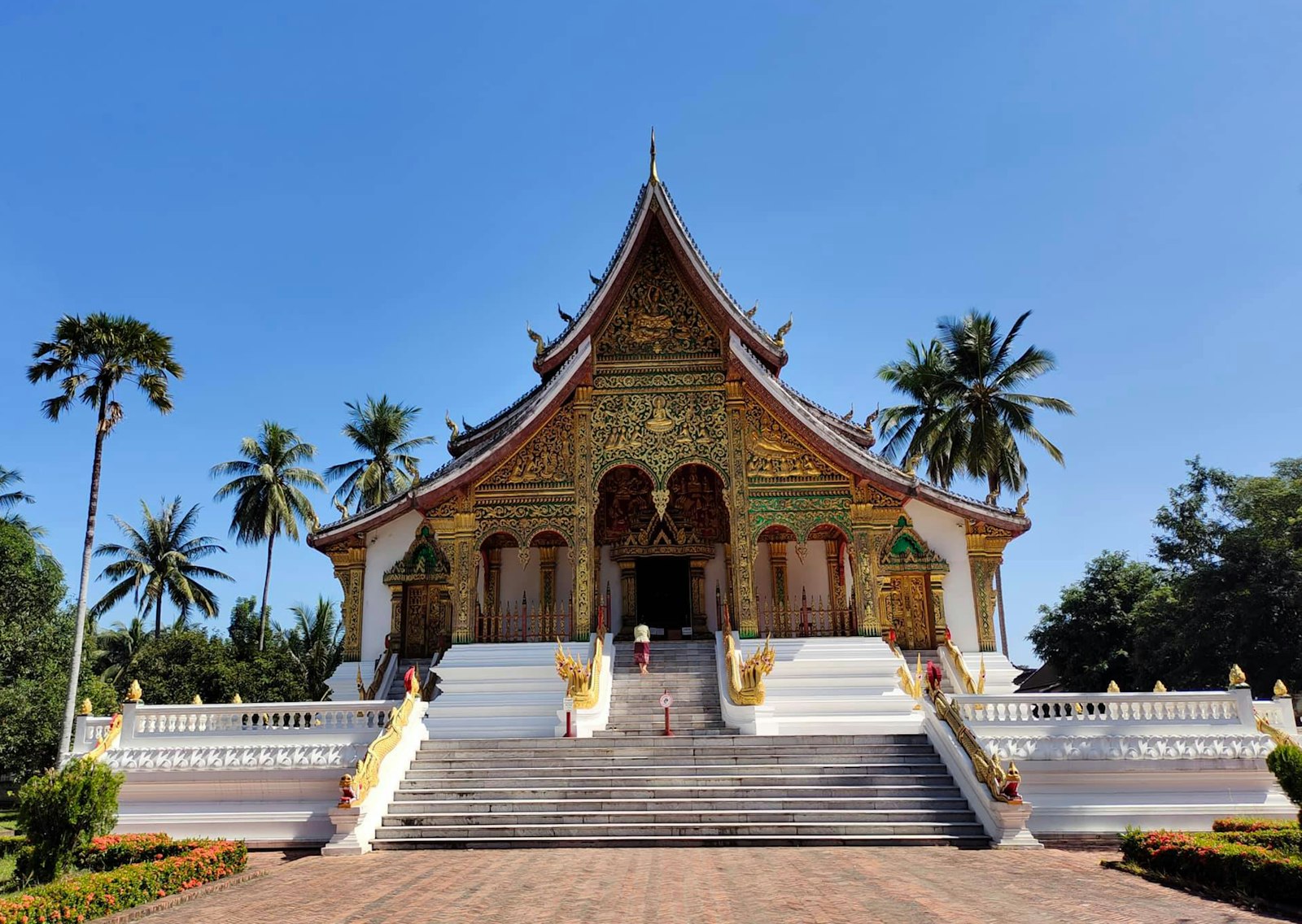
Laos is one of the more conservative countries in SEA in everyday dress — local women wear long sinh skirts and modest blouses — but the bar for foreign tourists is lower than you might assume from that. In Luang Prabang, Vientiane, Vang Vieng, Pakse, knee-length shorts and a t-shirt is unremarkable. Very short shorts will draw looks but not hostility.
The places it tightens:
Temples (any wat) — shoulders and knees, shoes off before entering buildings. Sarongs available at most major temples.
Alms-giving ceremony in Luang Prabang at dawn — long skirt or trousers, covered shoulders, scarf to cover head when monks pass. This is a sacred daily ritual; tourists in tank tops snapping photos from a metre away is one of the more flagrant misbehaviours I see anywhere in SEA. If you go, watch from a respectful distance and dress like you understand what's happening.
Myanmar I haven't visited since 2019, and the political situation since 2021 means I'd refer you to people on the ground rather than rely on my outdated experience for safety calls. On dress: when the country was open, the temple code was consistent with the rest of Theravada Buddhist SEA — shoulders and knees, no shoes inside, longyi (the local sarong) widely worn and easy to pick up. Yangon was relaxed; Mandalay and Bagan were temple-frequent so most travellers wore long skirts or pants by default.
Singapore and the Philippines: just wear what you'd wear at home
Singapore is a global city. Wear what you'd wear in Sydney or London in 32°C heat. The exceptions: Sultan Mosque in Kampong Glam (cover shoulders and knees, headscarf provided), Sri Mariamman Temple (sarong over shorts, shoulders covered), and the various Buddhist temples (shoulders and knees). All have robes at the door.
The Philippines is the most relaxed country in SEA on dress, full stop. Predominantly Catholic, deeply influenced by American culture, beach-going as a national pastime. Shorts and tank tops everywhere — including, generally, in churches outside of the most formal Sunday services. The cultural conservatism that does exist is more around behaviour (especially around the LGBTQ+ context in some rural Mindanao areas) than around what you wear.
The bottom line
You can wear shorts in most of Southeast Asia, most of the time. The internet has convinced a generation of women travellers that the region is one giant minefield of dress-code traps, and it isn't. Pack for the heat; pack practically; carry a sarong.
The places that genuinely require thought are: every religious site (covered shoulders and knees, full stop); the Bangkok Grand Palace and Phnom Penh Royal Palace (long pants); Aceh, West Sumatra, Kelantan, Terengganu (loose long clothing in town); and small villages anywhere when you're the obvious outsider walking through.
That's it. The rest is calibration, not anxiety. You'll see local women in shorts more often than not — and you'll know within an hour of landing in a new town whether it's a shorts town or not. Trust your eyes, and trust that being a reasonably observant adult is the actual skill here, not memorising a 40-rule grid.
If you find yourself somewhere you've misjudged — wrong outfit for a sudden temple stop, wrong town for the shorts you packed — the fix is usually a sarong tied at the waist and a t-shirt thrown over a tank top. Five seconds. Move on. Nobody's keeping a tally.
I'd go with the wardrobe I'd pack for any hot-weather trip: linen trousers, two pairs of mid-thigh shorts, one pair of knee-length, a couple of t-shirts, two tank tops for beach days, one long-sleeved sun shirt, a sarong, and a thin cotton scarf. That covers every country, every site, every conservative-village detour. Less than you'd think, lighter than you'd guess, no need for a single thing labelled "modest travel wear" by a brand that wants you to feel scared.
Solo female traveler from Bangalore. Safety advocate, responsible tourism, women-run cooperatives — empowering, never alarmist.
✦ More from Priya Sharma


✦ Keep reading
More from this region


More in Destinations
✦ Discussion
Start the discussion
No replies yet — yours could be the first.