

Source: Wikimedia Commons · License: CC BY-SA 4.0 · Credit: Theglennpalacio / Wikimedia Commons
Where to Stay in Coron: A Sleeper's Map of Palawan's Wreck Coast
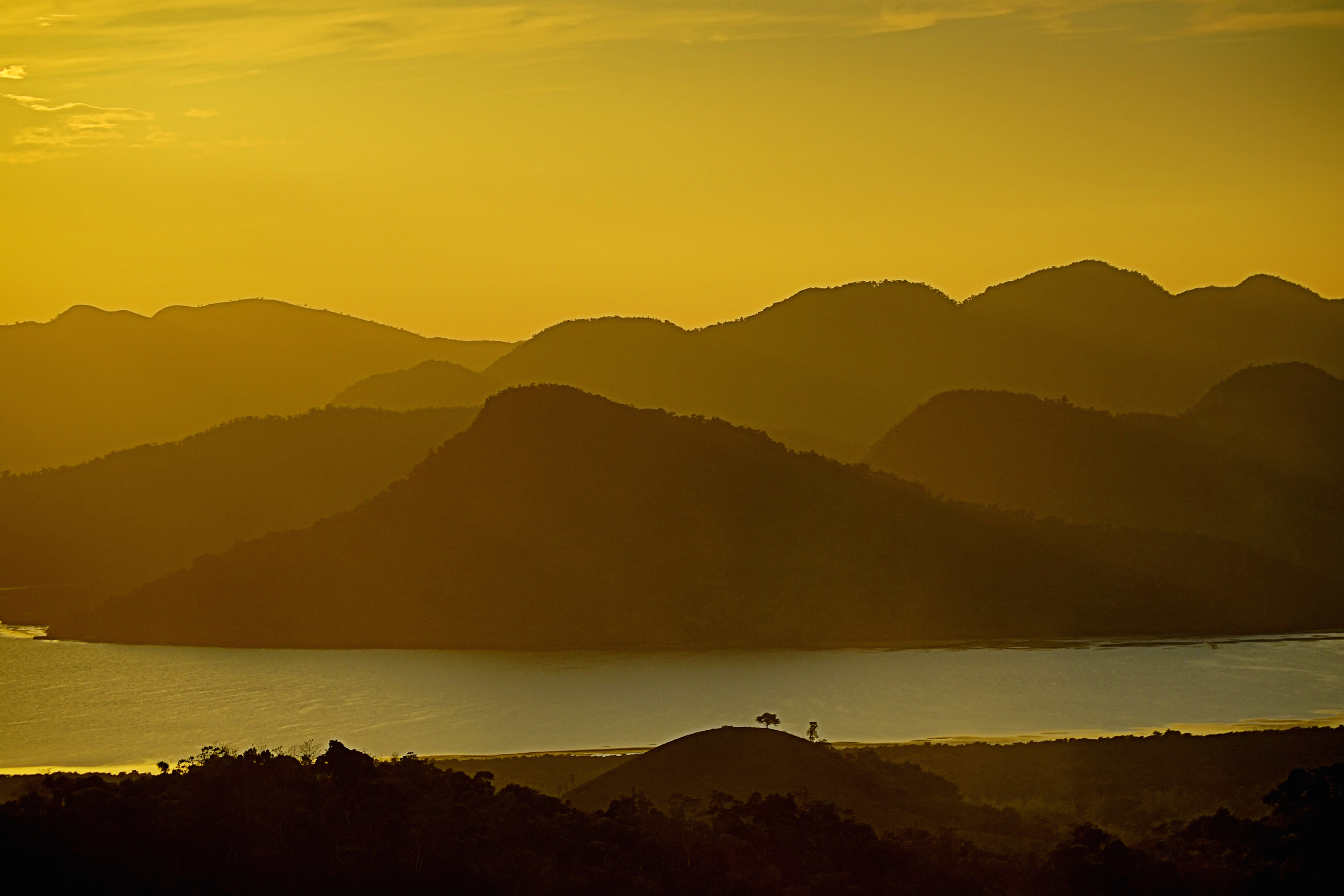
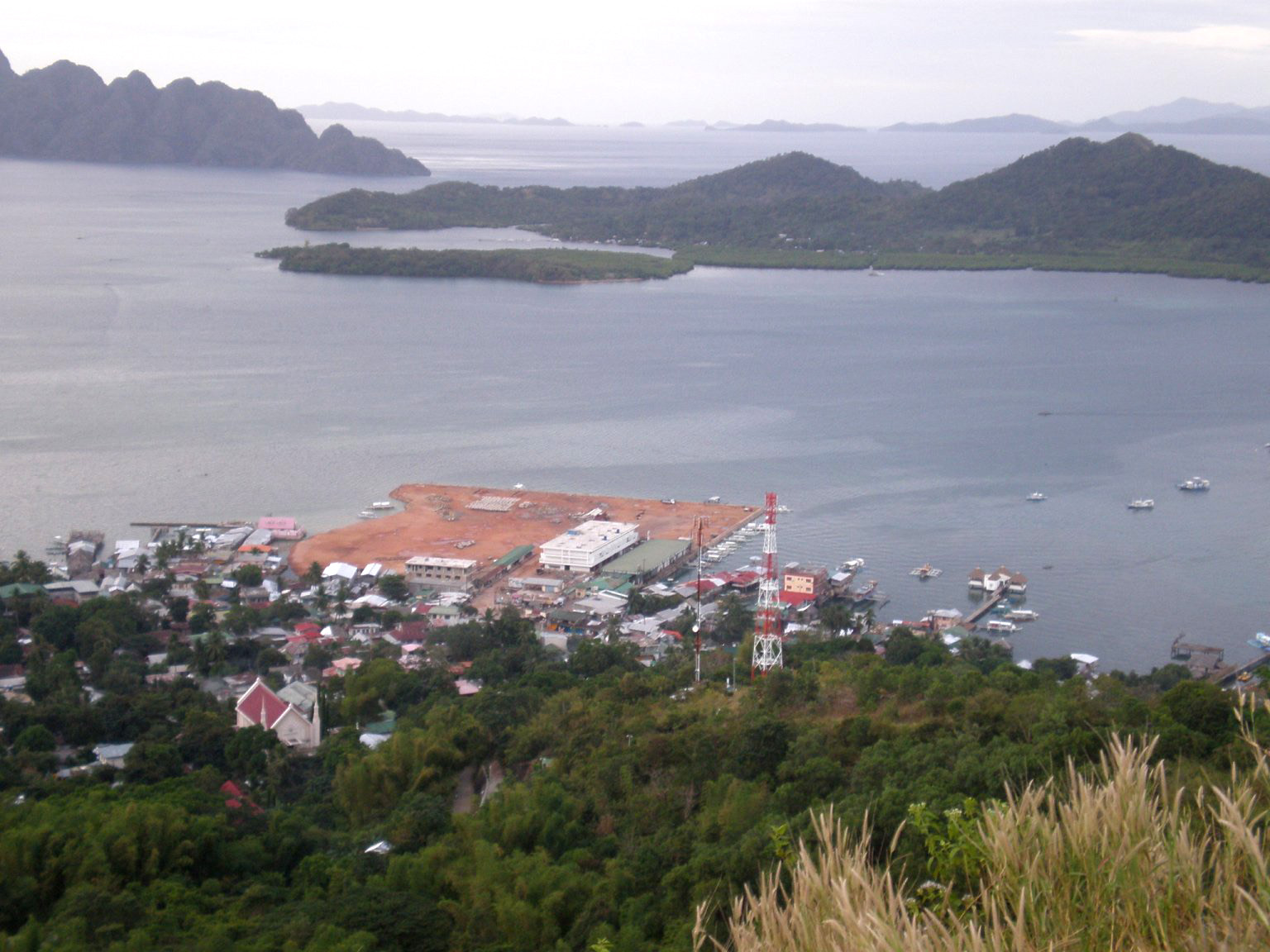
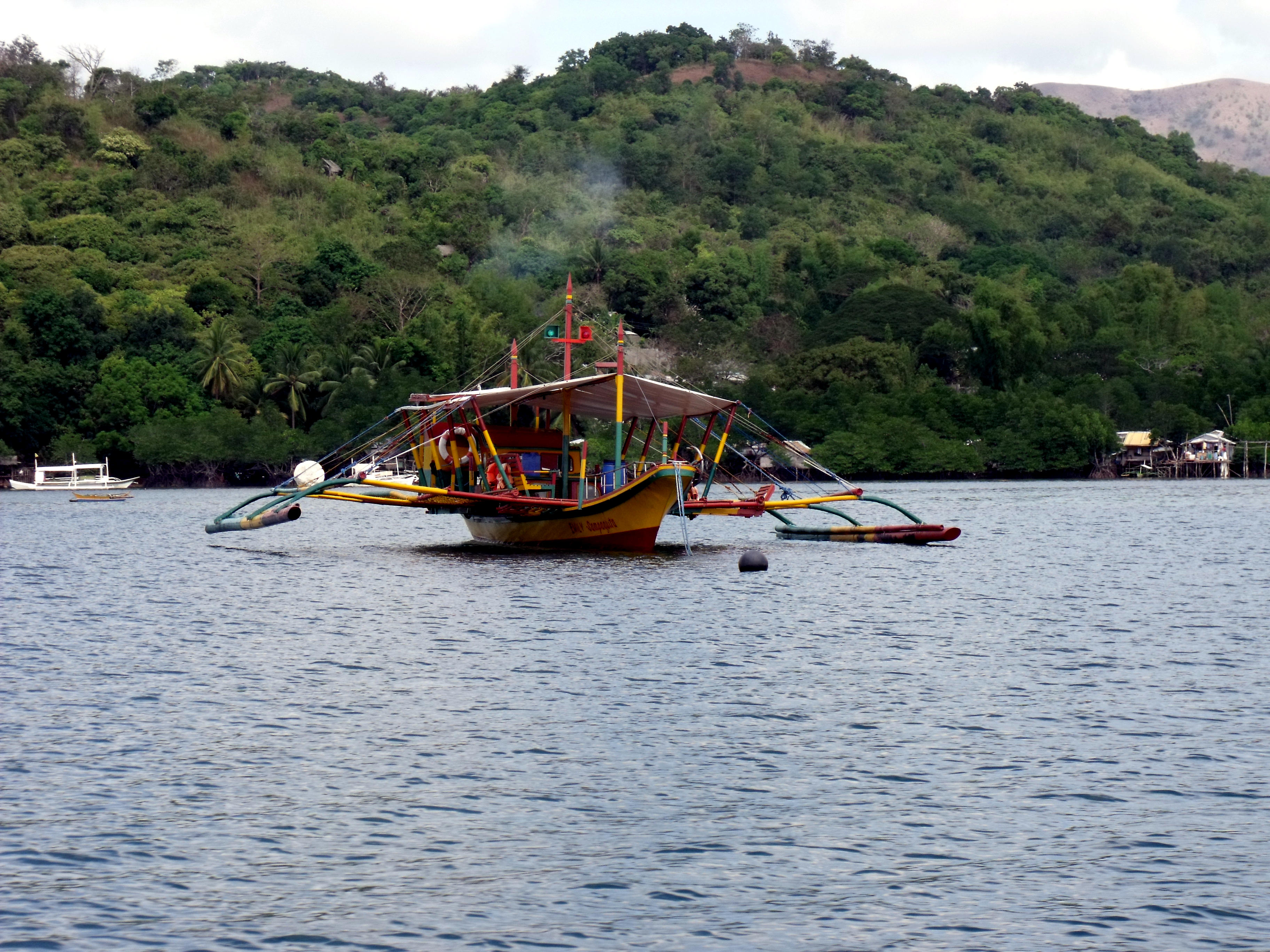
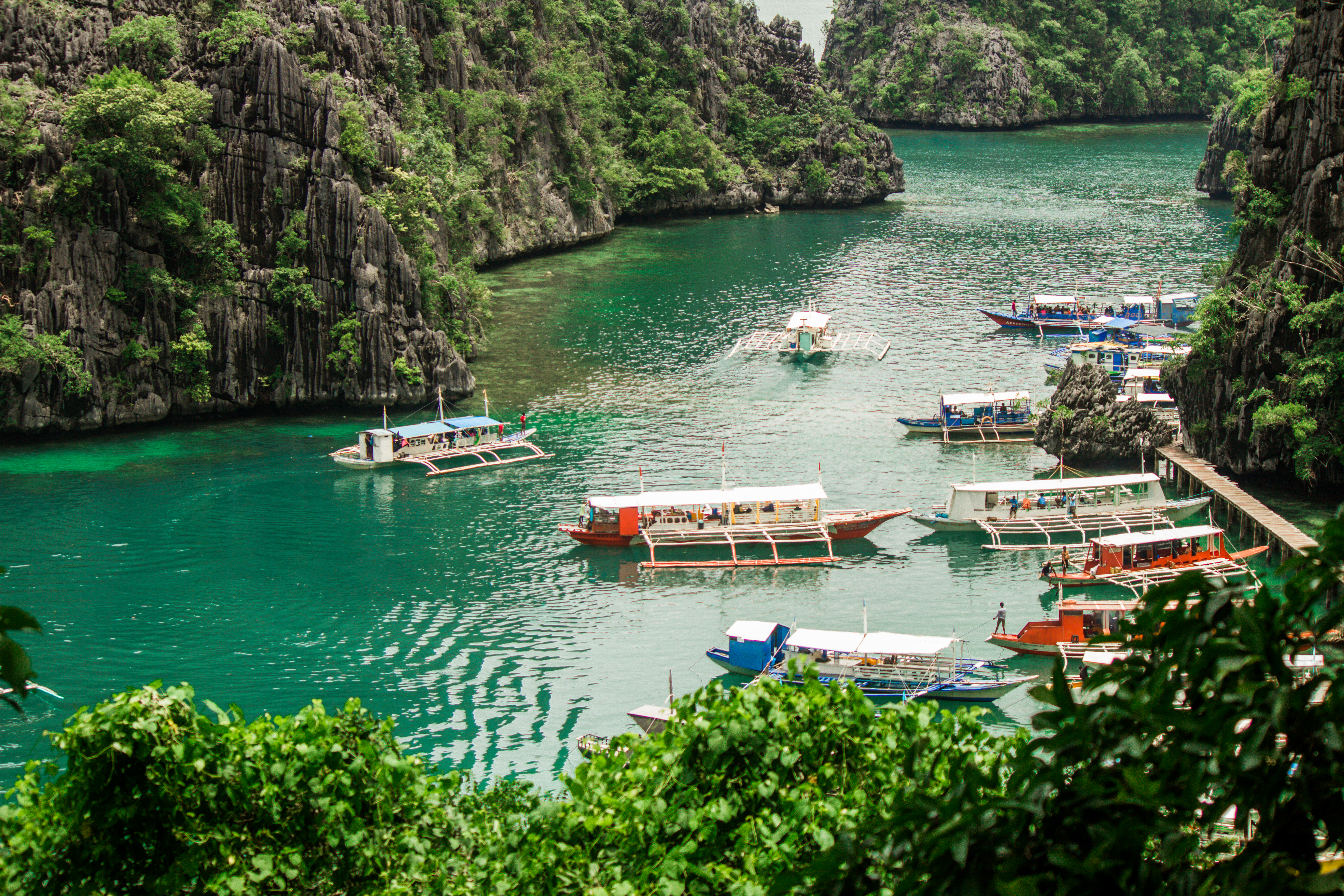
The first time I climbed Mount Tapyas it was already too late in the afternoon. The 721 concrete steps catch the western sun on the way up, and by the time you reach the viewing deck — two-twenty metres above the town, give or take — your shirt is finished and the light is the colour of weak tea. But you stay. You stay because the bay below you is a thing you have not seen elsewhere: a shallow sheet of jade water held between Busuanga Island and the karst spires of Coron Island, the limestone rising out of the sea in slabs so steep they look architectural. A working harbour in the foreground — bancas with their bamboo outriggers, dive boats, a pumpboat ferrying drums of diesel. And then, the moment the sun drops behind the karst, the bay turns the green-tinted teal of oxidised copper, and the sodium-vapour lamps of Coron Town begin to bead the dark below you, one by one.
If El Nido, four hours south, is Palawan's lagoon dream — the place travellers come to be photographed in front of — Coron is its working twin. A dive town first, a destination second. The light here belongs to fishermen and instructors. The choice of where to sleep is, in a way, the choice of who you want to be for a week.
Coron is a dive town first and a destination second. The light here belongs to fishermen and instructors.
The geography, briefly
Source: Wikimedia Commons · License: CC BY-SA 3.0 · Credit: Wikimedia Commons contributor
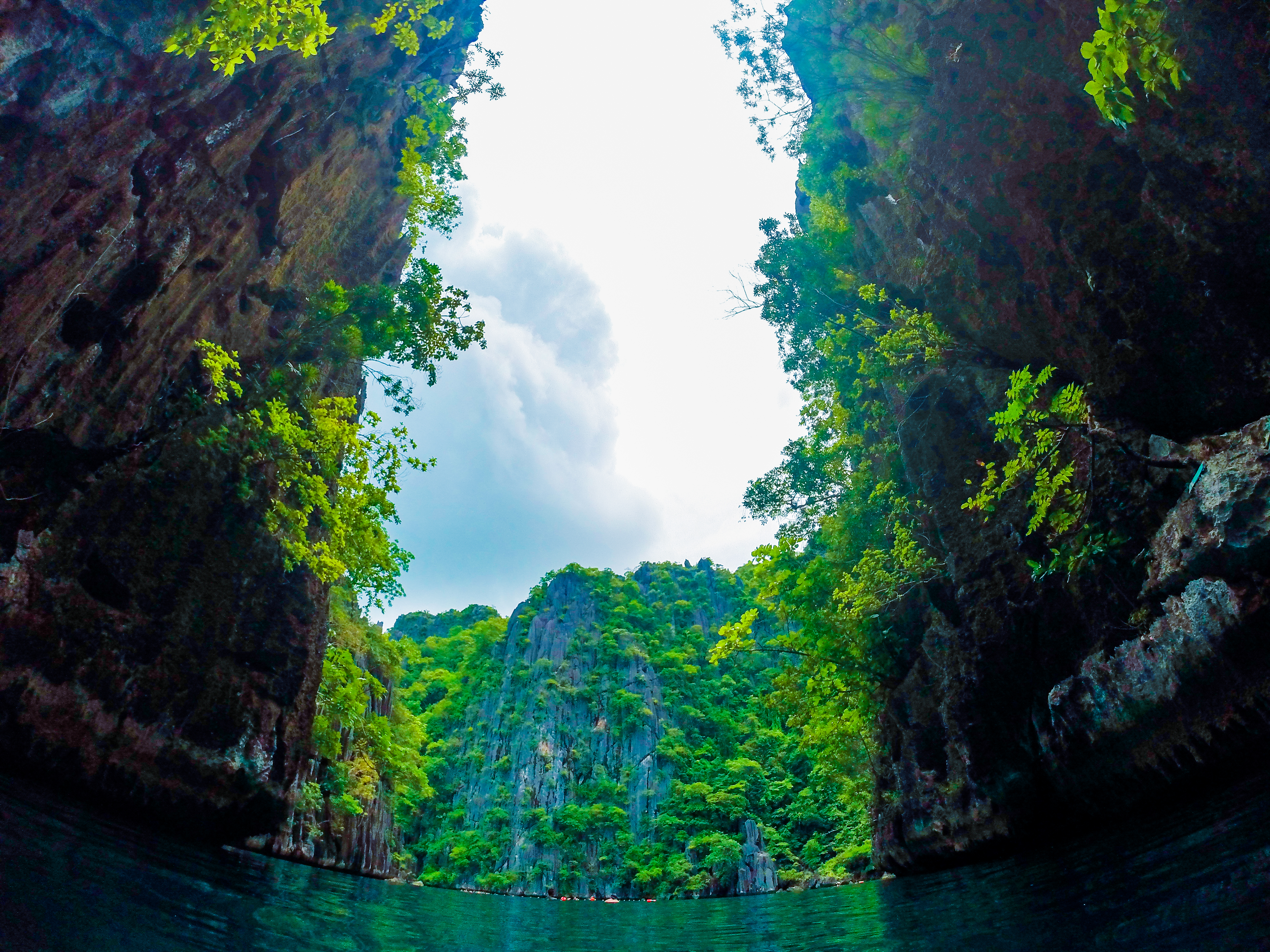
A small confusion worth clearing up at the start: "Coron" names three different things. Coron Town is the dusty, busy port on the southeastern tip of Busuanga Island — this is where you sleep, where the dive shops are, where the ferries dock. Coron Island, across the bay, is the high-karst island you see from Tapyas — the one with Kayangan Lake, Twin Lagoon, Barracuda Lake. You cannot stay overnight there; the island is the ancestral domain of the Tagbanua people, and access is strictly day-trip only, with sites closing around four in the afternoon and Kayangan opening at seven. Then there are the outer islands — Sangat, Bulalacao, Dimakya, Banol — scattered around the bay, each carrying one or two eco-resorts where the boats arrive twice a day and silence does the rest of the work.
Where you sleep determines which of these three Corons becomes your week.
Coron Town: walk to the dive shop, walk to the karaoke
Source: Wikimedia Commons · License: CC BY-SA 4.0 · Credit: geLowfish / Wikimedia Commons
There is a particular pleasure in staying in a working town that has not yet been entirely converted into a hospitality product. Coron Town is shaped like a comma curling around the bay. The main strip — Real Street — runs maybe four hundred metres before petering out into tricycle stands and small concrete houses. Dive shops sit next to sari-sari stores. The bakery is run by a Filipino-Japanese family whose pandesal is, in my notes, "worth the 5:30am alarm even if you have no plans for the day." On any given afternoon you will hear a generator, a rooster, three different bachata songs, and someone testing a regulator in a courtyard.
For the budget end, Outpost Beach Hostel sits a short tricycle ride from the centre on a small beach — dorm beds, hammocks, the kind of breakfast where the toaster is communal. In town proper, hostels and small guesthouses cluster within a few blocks of Real Street; most are unbranded family operations and you should expect cold-water showers and ceiling fans rather than air-con at the bottom of the range.
The mid-range tier is where Coron Town starts to surprise. Two Seasons Coron Bayside Hotel — a 48-room property on the bay, the in-town sibling to the more expensive island resort — is the obvious anchor: an unfussy modern hotel with a pool that catches the late-afternoon sun, a rooftop bar facing west, and a location that puts every dive shop, ferry pier, and food stall within a fifteen-minute walk. You pay something close to half what you'd pay on the island, and you wake up able to walk to breakfast.
Above this — call it the boutique tier — sit a small clutch of newer hotels strung along the waterfront and up the hill toward Tapyas. They are pleasant, modern, mostly indistinguishable; you choose by view, by pool, by reviews of the breakfast.
What you get for staying in town: walkability, low transport cost (everything is a tricycle ride or a banca charter away), the ability to be on the day's earliest dive boat, the option to walk to Mount Tapyas at five in the afternoon and to Maquinit Hot Spring — a saltwater spring on the edge of town, best at last light, the only hot spring I know that opens onto a mangrove channel — after dinner.
What you lose: the morning. Coron Town's bay-front is shallow and silty; the swimming is forgettable, and the first hour of the day, which is the photograph hour, you spend on a boat getting to the water.
The outer islands: silence, and the first hour of light
Source: Wikimedia Commons · License: CC BY-SA 4.0 · Credit: geLowfish / Wikimedia Commons
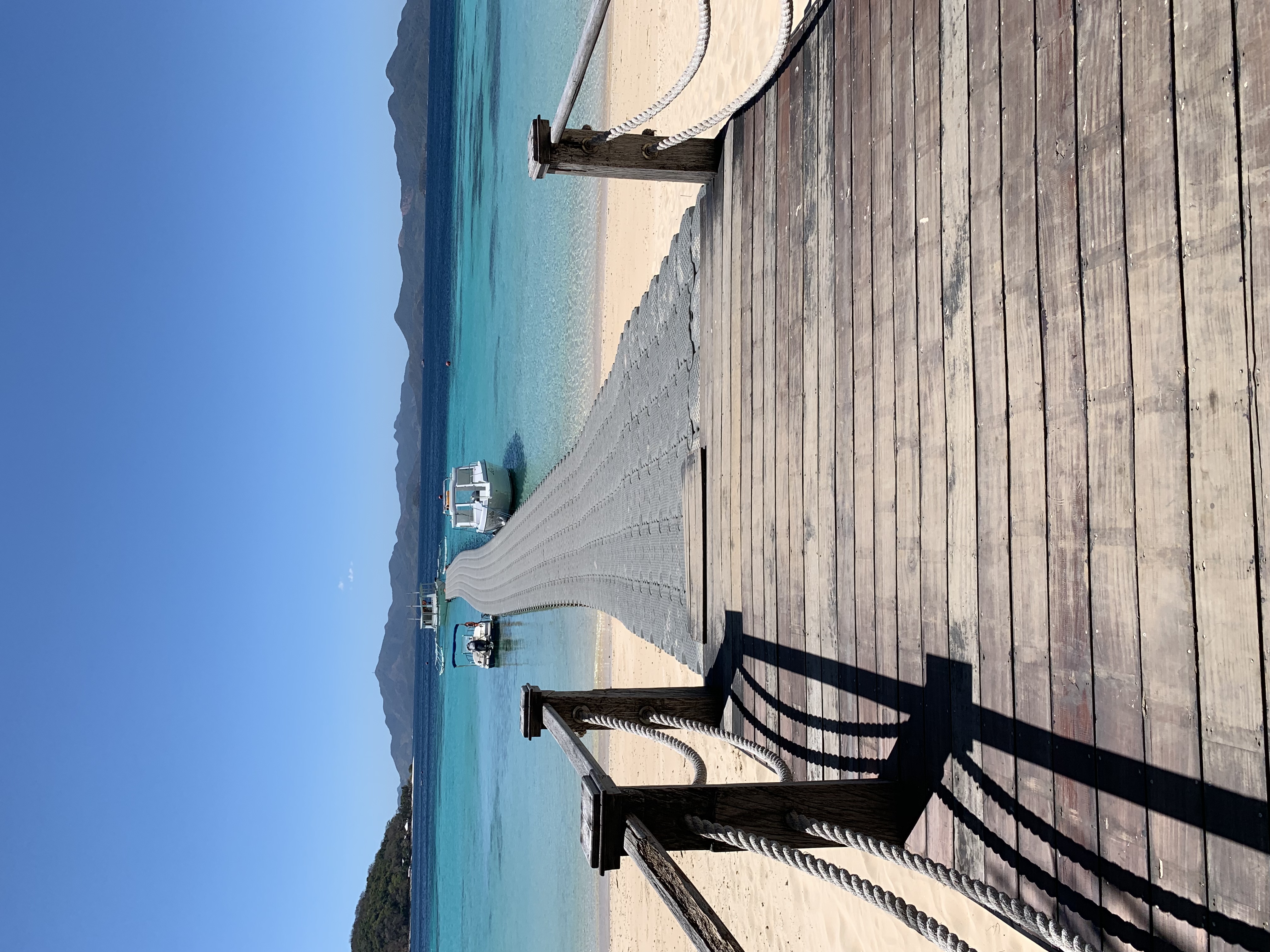
Cross the bay — twenty to forty minutes by speedboat depending on which island — and the second Coron begins. Here the resorts are small, mostly one to a beach, mostly arranged around a single jetty and a single restaurant. The light is the reason you came.
Sangat Island Dive Resort, on a limestone island fifteen minutes from town, is the most committed to its premise: twenty-three native-style chalets, beachfront and hillside, an open-air restaurant on the sand, a dive operation that runs to the wrecks every morning. Sangat sits closer to the wrecks than the town does — for divers who plan to spend most days underwater, this matters. The water off the jetty is clear by 6am and stays clear; the mangrove channels behind the property are good kayaking; the hot springs the island is named for sit fifteen minutes' walk inland.
Two Seasons Coron Island Resort, on Bulalacao Island and thirty-five minutes by speedboat from town, is the comfort end of the same idea: forty-six tropical bungalows and casitas with high ceilings and outdoor showers, a long jetty, a proper spa. The aesthetic is restrained — natural materials, dark teak, lime-washed walls, woven matting — and the staff carry the unhurried competence that a good resort earns over a decade of operation. You will pay roughly twice what you would in town. You will also wake up to the bay flat as a mirror and the karst going from grey to gold at six in the morning, without having to start an engine.
At the splurge end, Club Paradise Palawan (recently rebranded under the Discovery Coron name, which I will probably stop using if the staff still call it Club Paradise — they do) sits on Dimakya Island, much further north, inside a UNESCO Biosphere Reserve. Nineteen hectares, seventy-four rooms and cottages, an in-house dive shop, a house reef you can snorkel off the beach. The journey from the airport is part of the bargain — a shuttle to a private pier, then a boat — which means you are committing to the property for the duration. The reward is the sense of being in your own bay. If you came to Coron for the snorkelling and the sleep and not for the dive-shop strip, this is the address.
A good resort's competence is not in its breakfast; it's in the staff knowing that you want the same boat at six tomorrow and not asking you twice.
How most travellers actually do it
Source: Wikimedia Commons · License: CC BY 3.0 · Credit: André Héroux / Wikimedia Commons
The honest pattern, and the one I'd recommend to anyone with five or more nights: split the stay. Two nights in town, three nights on an island. Or the reverse. You arrive into Francisco B. Reyes airport on Busuanga, take the forty-minute van transfer into Coron Town, base yourself there for the first stretch — knock out the wreck dives in the morning, the Coron Island day trip on a different day, Mount Tapyas at sunset, Maquinit after dark — and then transfer out to an island resort for the back half, where you sleep on the water, swim from the jetty before breakfast, and let the trip exhale.
Two Seasons sells a package built around exactly this split (two nights island, then town), which tells you the pattern is now mainstream. You do not need their package to do it; any travel agent in town can arrange a private boat transfer between properties, and most resorts will hold luggage between the two halves of your stay.
The light, and the times
Source: Wikimedia Commons · License: CC BY-SA 4.0 · Credit: Alyanna Monique Mangahas / Wikimedia Commons
Coron sits at roughly 12° north latitude, which means the year's sunrise and sunset times do not swing as wildly as they would in a temperate country. In the dry season — late November through May, with the most reliable visibility in February through April — sunrise falls between 5:55am and 6:15am, and sunset between 5:30pm and 6:00pm. For mid-March, expect sunrise around 5:57am and sunset around 5:31pm; by mid-April, sunrise has shifted later to about 6:14am with sunset around 5:40pm. Add ten or fifteen minutes for the actual golden-hour glow before and after.
A few specific moments worth planning around:
Kayangan Lake at 7:00am. The lake opens at seven; the ticket office on the main island is open from around the same time. The first wave of group tours from town does not arrive until about nine. Charter a private banca the night before, leave town at six, climb the limestone staircase up the cliff and down the other side, and you have the lake — that improbable, pale, fresh-water teal held inside vertical karst — to yourself for an hour. The light at that hour is raking sidelight from the east; the colour of the water is at its most saturated.
Mount Tapyas, ninety minutes before sunset. Most guides say sixty. They are wrong; you will be hot and stressed. Ninety gives you time to climb the 721 steps in stages, drink water at the top, and watch the karst go from grey-blue to gold to rose before the sun drops. Stay past the colour for the blue hour — the bay flattens to cobalt and the cross at the summit lights up white against it.
The wrecks at noon. This is counter-intuitive for a photographer and I want to be specific about why. The Japanese supply ships sunk in Coron Bay on the morning of 24 September 1944 — Akitsushima, Okikawa Maru, Irako, Kogyo Maru, Olympia Maru and the others — lie at depths between roughly twelve and forty metres. Most of the diveable structures sit between fifteen and thirty metres down. At those depths, the water column eats most of the light. The single hour at which a near-vertical sun column can punch through to the deck of a wreck is the hour around solar noon. So: noon is not when you photograph the wrecks from the surface; noon is when you dive them. The good underwater frames — the ones with shafts of god-rays falling through a hatch onto the silt — are noon frames.
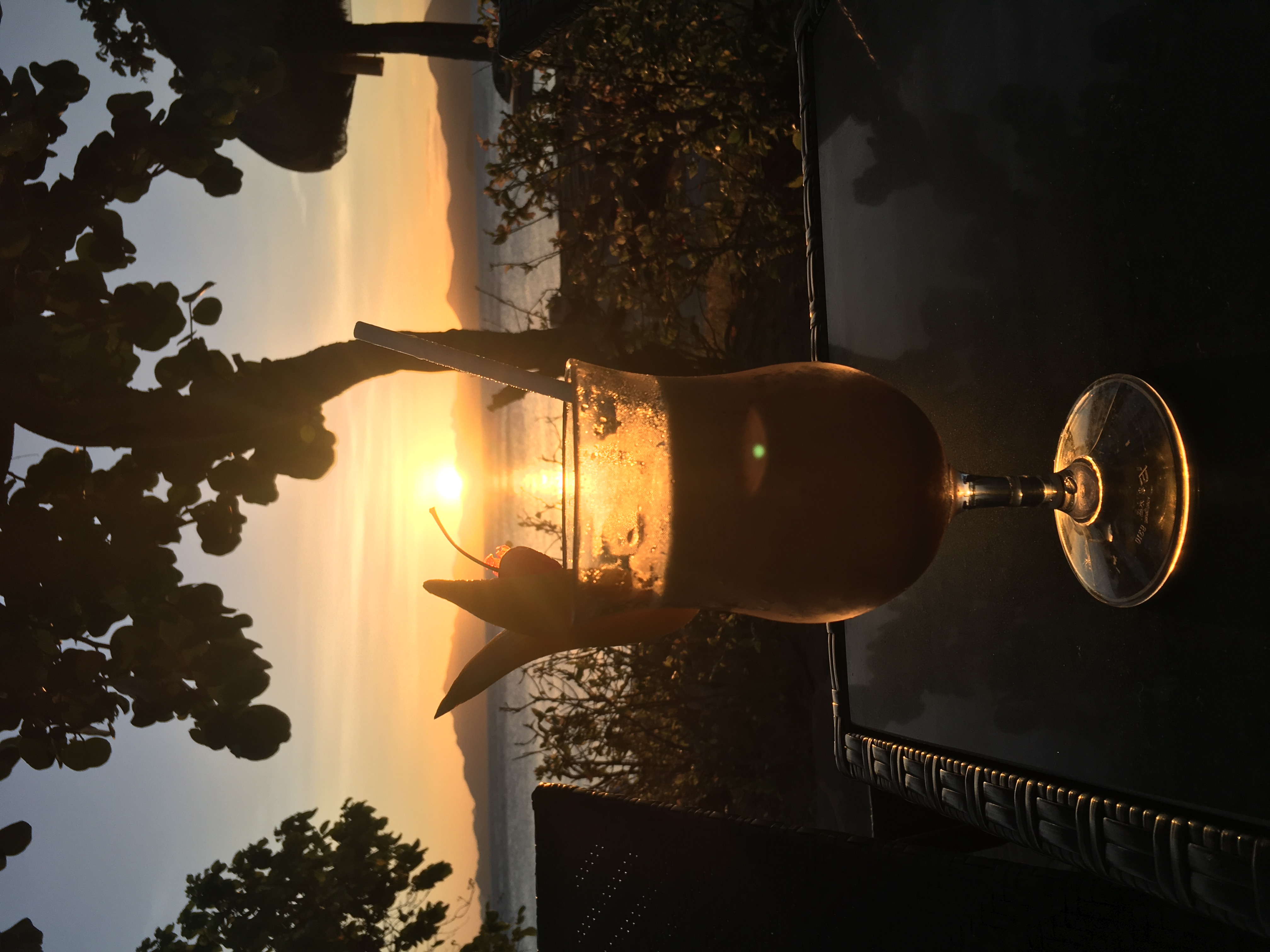
Maquinit Hot Spring at last light. Forty-degree saltwater, fed by a fault under Mount Tapyas, contained in a series of shallow pools at the edge of a mangrove channel. The light at six-fifteen is gone; the tungsten lanterns kick on; the steam rises off the surface in low strands. Come after Tapyas, before dinner.
Seasons, briefly
The dry season (roughly late November–May) is when most travellers come. Visibility on the wrecks runs ten to thirty metres; the bay is glass most mornings; the karst is sharp against blue sky. March and April are the most reliable. December and January can carry the tail of the amihan northeast wind, which roughens the open-water crossings to the outer islands.
The wet season (June–October) brings the southwest monsoon, the habagat, and a different mood. Visibility drops; some dive operators close certain wrecks; transfers to outer islands can be cancelled at short notice. The trade is that the karst goes saturated green, the prices fall, the crowds thin to nearly nothing, and the light, when the sky breaks, is dramatic in a way the dry season never quite is. If you have flexible plans and can tolerate a cancelled day, September and October can be remarkable.
The choice, in one sentence
If you came for the dive log and the dive shop and the cold beer at six, sleep in town. If you came for the first hour of light on flat water, sleep on an island. If you came for both — and most travellers, given the choice, did — split the week.
Last light, last note
Source: Wikimedia Commons · License: CC BY-SA 4.0 · Credit: GRMondala / Wikimedia Commons
On my last night in town, the second time around, I climbed Tapyas at the right hour and waited for the bay to go cobalt. A Filipino family was already there, three generations, the youngest girl perhaps seven, eating mango from a plastic bag. The grandfather pointed across the bay to one of the karst spires of Coron Island and said something quiet to the girl in Tagalog. She nodded. I have no idea what he said. But I thought, watching the cross light up white behind them: the place is theirs first. We are guests at a working harbour, in a town that has been finding its own light for far longer than we have been writing about it.
Sleep accordingly.
Italian travel photographer-writer. Architecture, landscape, the light. Slow, deliberate, image-led essays.
✦ More from Marco Rossi


✦ Keep reading
More from this region


More in Destinations
✦ Discussion
Start the discussion
No replies yet — yours could be the first.