
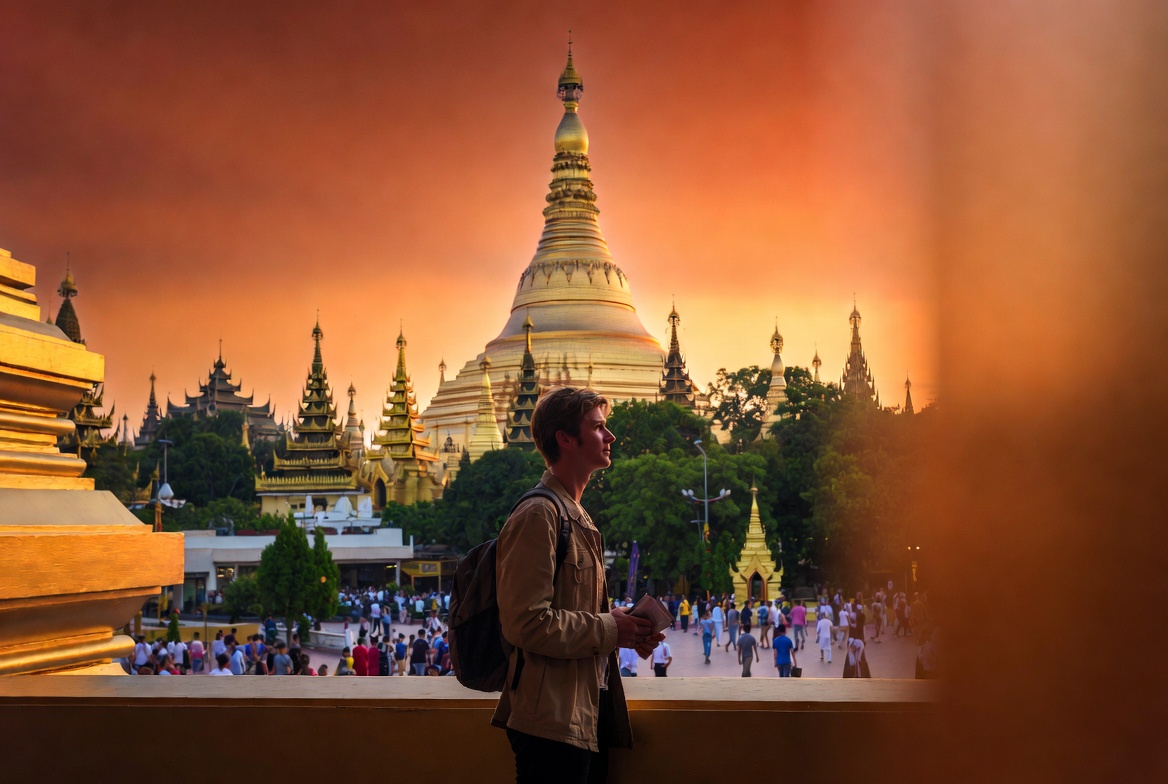
Is Myanmar Safe to Visit in 2026? A Calibrated Answer
I get this question from at least one reader a week, and I think the people asking already know the answer is complicated. They've read the State Department telling them not to go, scrolled past a friend's Bagan balloon photo on Instagram, and ended up more confused than when they started. So let me try to do what those two sources can't: give you a single answer that takes the politics, the conflict, the e-visa logistics, and the ethics seriously — and lets you make your own call.
The short version: Myanmar in 2026 is travelable along a narrow tourist corridor, and it is also, by any honest measure, the most ethically and logistically loaded destination in Southeast Asia right now. I have not been since 2019. What follows is built from the most current sources I could verify in May 2026 — the US Embassy in Rangoon's Travel Advisory, Human Rights Watch's World Report 2026, reporting from Frontier Myanmar, The Irrawaddy, and Myanmar Now, plus conversations with two SEA-based travel operators I trust. Where I'm guessing, I say so.
The 2026 picture — what's actually true right now
Five years on from the February 2021 coup, the State Administration Council (SAC) — the junta — is still in power, and still losing ground. As of early 2026, the military controls fewer townships than at any point since the takeover. The Arakan Army holds nearly all of Rakhine State. People's Defence Forces and ethnic resistance organisations control or contest large parts of Sagaing, Chin, Kachin, and northern Shan. The civil war is not winding down; it is grinding into a fifth year with no negotiated settlement in sight.
For a traveller, three concrete things flow from that:
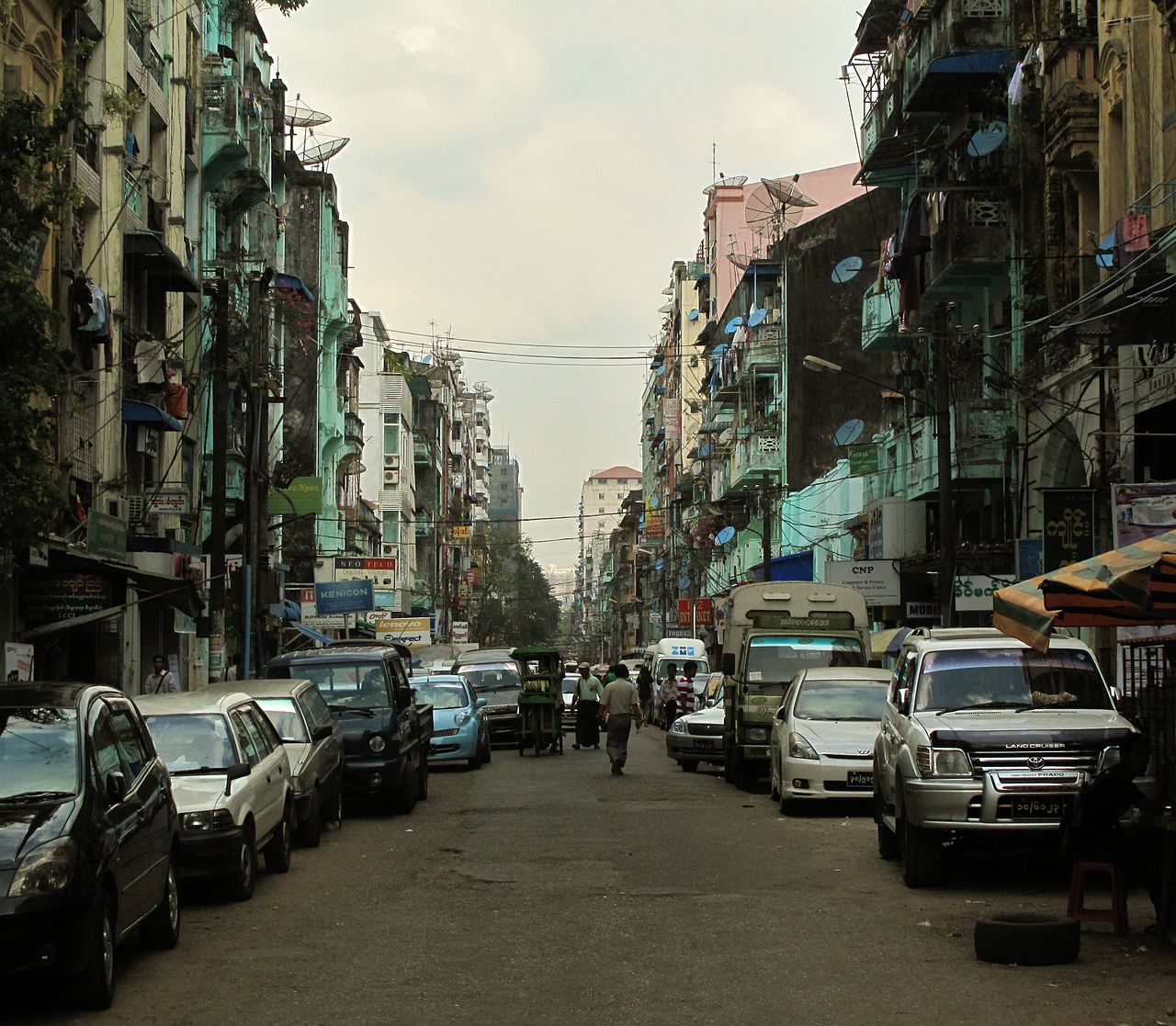
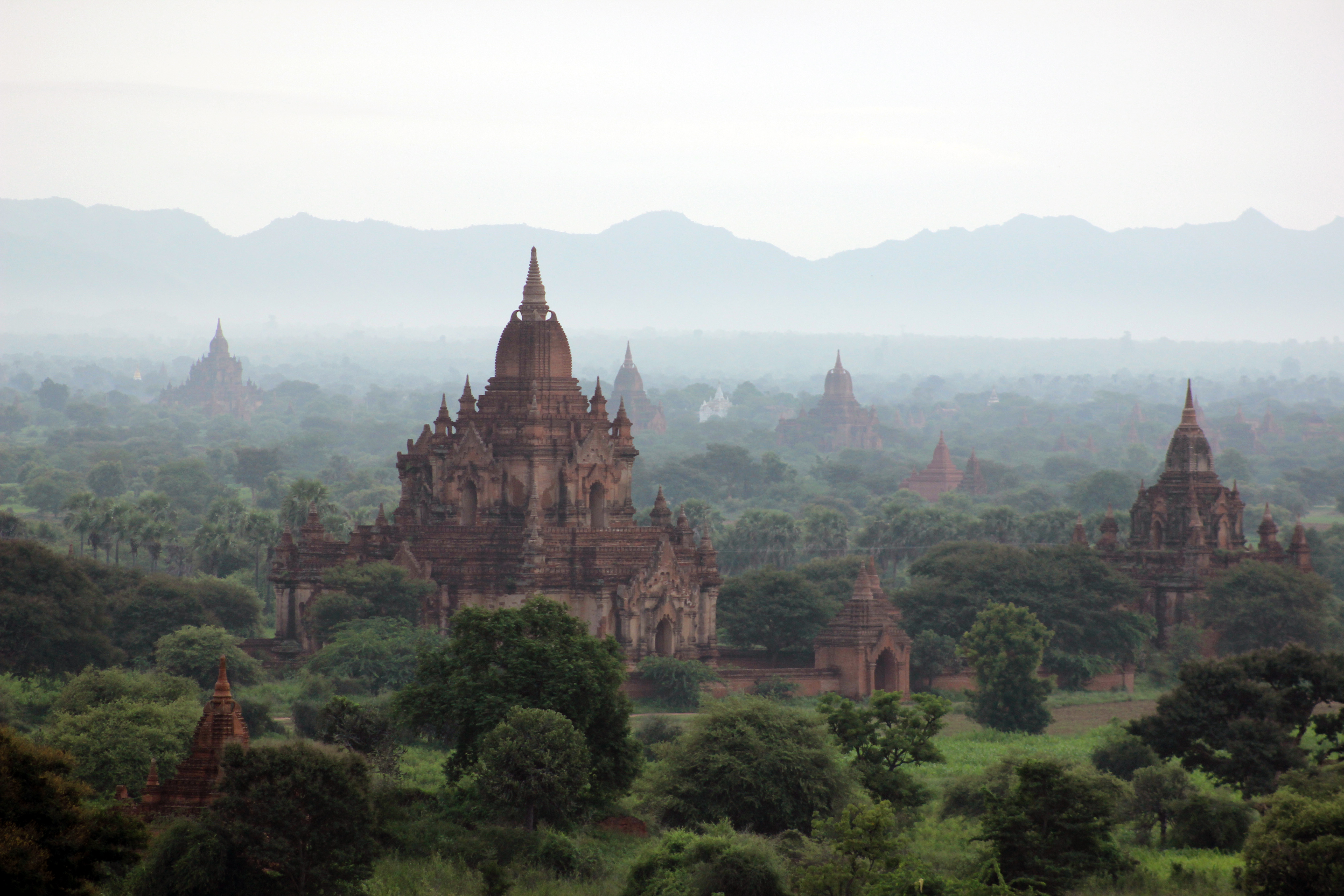
The tourist corridor still functions, but it has narrowed. Yangon, Bagan, Mandalay, Inle Lake, and the Pyin Oo Lwin / Kalaw / Hsipaw stretch remain open to foreigners. Flights between major cities operate. Hotels are taking bookings. Visas are being issued.
The country outside that corridor is not casually accessible in the way it was in 2018–2019. Overland travel has multiplied military checkpoints. Some regions are no-go full stop — not because someone might shake their head at you, but because there is active aerial bombardment.
The political-detention risk for foreigners is real but small. US, UK, and Australian advisories warn that travellers have been detained for social-media posts critical of the regime, for photographing the wrong building, for unclear visa technicalities. These incidents number in the dozens, not thousands. But the consular ceiling on getting you out is much lower than it would be in Thailand or Vietnam — the US Embassy in Rangoon has explicitly said its ability to help detained citizens is "severely limited."
The US State Department maintains Myanmar at Level 4: Do Not Travel. The UK FCDO advises against all travel to large parts of the country and against all but essential travel to most of the rest. Australia's Smartraveller is at "Do not travel." If you go, you are going against the explicit advice of your government, and your travel insurance will almost certainly not cover you — read on for what that actually means in practice.
Where you can and can't go
Think of Myanmar in 2026 as three concentric zones.
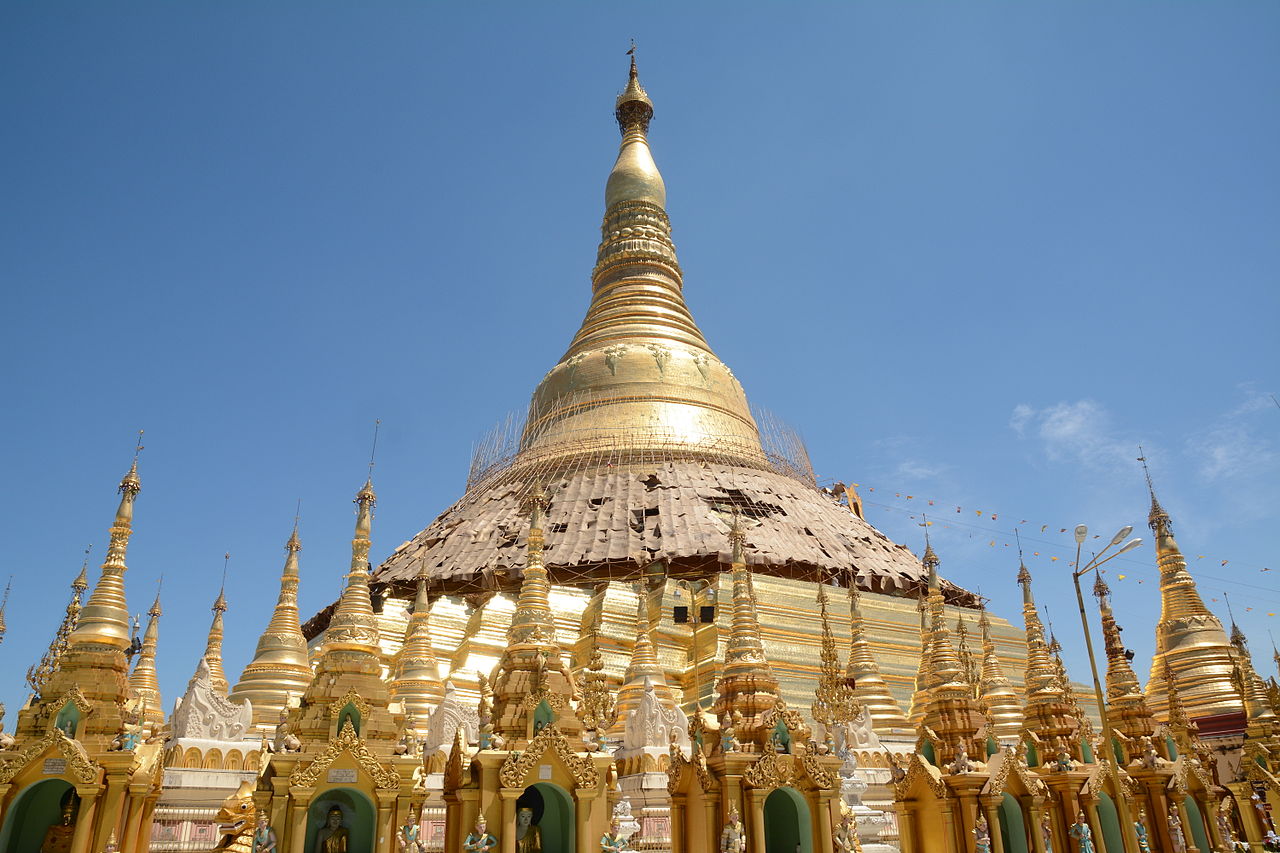
Zone 1 — The tourist corridor (relatively stable). Yangon, Bagan, Mandalay, Nyaungshwe / Inle Lake, Kalaw, Pyin Oo Lwin, Hpa-An. These cities are functioning. Restaurants, hotels, monasteries, markets are open. Tourists are uncommon enough that locals will smile at you, but not so rare that you're the only foreigner in town. The US Embassy still records, on average, around six small IED incidents per month within the wider Yangon municipal area — almost all targeting government infrastructure, not civilians. The practical reading: stay away from administrative buildings, military convoys, and demonstrations, and your day-to-day risk in these cities is closer to "low" than the Level 4 label suggests.
Zone 2 — Constrained but possible with a vetted operator. Mrauk U (subject to Rakhine access permission, which is rarely granted in 2026), parts of southern Shan, the Mergui Archipelago via permitted operators. These require advance permits, sometimes a government liaison, and a real local fixer who knows the current checkpoint situation. Do not improvise here.
Zone 3 — Genuinely no-go. Rakhine State (active aerial bombardment, blockade, Arakan Army frontlines, Rohingya humanitarian catastrophe), Chin State (active conflict), Sagaing Region outside Mandalay city (the worst-hit area for junta airstrikes on civilians; airstrikes on schools and IDP camps in 2025 killed dozens of children), Kachin State (active conflict and rare-earth mining frontlines), northern Shan along the Chinese border (active conflict; this is also where the notorious online scam compounds are clustered, and where foreigners have been trafficked).
Two operational rules from people I trust on the ground:
Fly between cities, don't bus. Internal flights on Myanmar National Airlines, Air KBZ, or Air Thanlwin are inexpensive and avoid the long-distance checkpoint problem. Overland buses get stopped, documents inspected, sometimes for hours.
Don't photograph soldiers, checkpoints, government buildings, or convoys. Your phone will be inspected if you're searched, and content matters. People have been detained for cached social-media posts older than the visit itself.
Visa for US, UK, and AU citizens
The Myanmar tourist e-visa is open to passport holders from the US, UK, Australia, Canada, the EU, and most of the world. As of May 2026:
Apply at: the official e-visa portal at evisa.moip.gov.mm. Not via Google's top result, which is usually a third-party reseller charging double.
Cost: USD 50, paid online, non-refundable.
Maximum stay: 28 days, single entry. Cannot be extended in-country without a separate (and politically scrutinised) application.
Processing time: officially three business days, in practice three to ten in 2026. Apply at least two weeks before departure.
Passport validity: six months minimum, two blank pages, machine-readable.
Entry points: Yangon, Mandalay, Naypyitaw airports, plus a handful of land borders that operators tell me are unreliable for e-visa entry — fly in.
Two things to know that the official portal does not advertise loudly:
Conscription law and dual nationals. In February 2024 the SAC reactivated the People's Military Service Law. The bylaw was formalised in January 2025. It applies to male citizens 18–35 and female citizens 18–27 (with extensions for some professionals up to 45 and 35 respectively). The US Embassy's travel advisory explicitly warns that anyone the regime considers a Burmese citizen — including Burmese-born US citizens, regardless of any other passport held — may be subject to conscription if they enter the country, and may be prevented from leaving. If you or a partner has Myanmar heritage, treat this as a hard constraint and consult the US Embassy in Rangoon directly before booking.
Social-media screening. Multiple operators have told me, anecdotally, that immigration officers have inspected phones at entry — particularly for foreigners arriving solo. I would not expect this to happen to you, but I would clean your camera roll and message threads of anything that names the junta, the Tatmadaw, the SAC, or specific resistance organisations before you fly. This is not paranoia; it is the same threat model used by anyone entering China, Russia, or the UAE.
The ethical question — does tourism money support the junta?
This is the part most pieces skip, and it is the part your conscience will care most about.
The honest answer: yes, some of your money will reach the SAC, and no, that does not have to be most of it. The question is whether you do the work to minimise the share.
Money that lands with the regime by default:
The USD 50 e-visa fee. Direct, unavoidable, paid to the Ministry of Immigration.
Departure tax bundled into airfare.
Anything booked through Myanmar Travel & Tour (MTT) or its successor entities — these are tourism arms of the Ministry of Hotels and Tourism. Avoid.
Any state-run hotel. The Burma Campaign UK maintains a "dirty list" of military-linked hotels. Check the current list before booking.
Domestic flights on Myanma Airways (state carrier). Air KBZ and Air Thanlwin are private alternatives — though "private" in Myanmar is a relative term, both are cleaner than the state carrier.
Money that lands with local people:
Family-run guesthouses (Bagan and Inle in particular have dozens). Pay in cash. Tip generously.
Independent local guides hired directly, not via an agency. Day rates of USD 30–50 are normal in 2026.
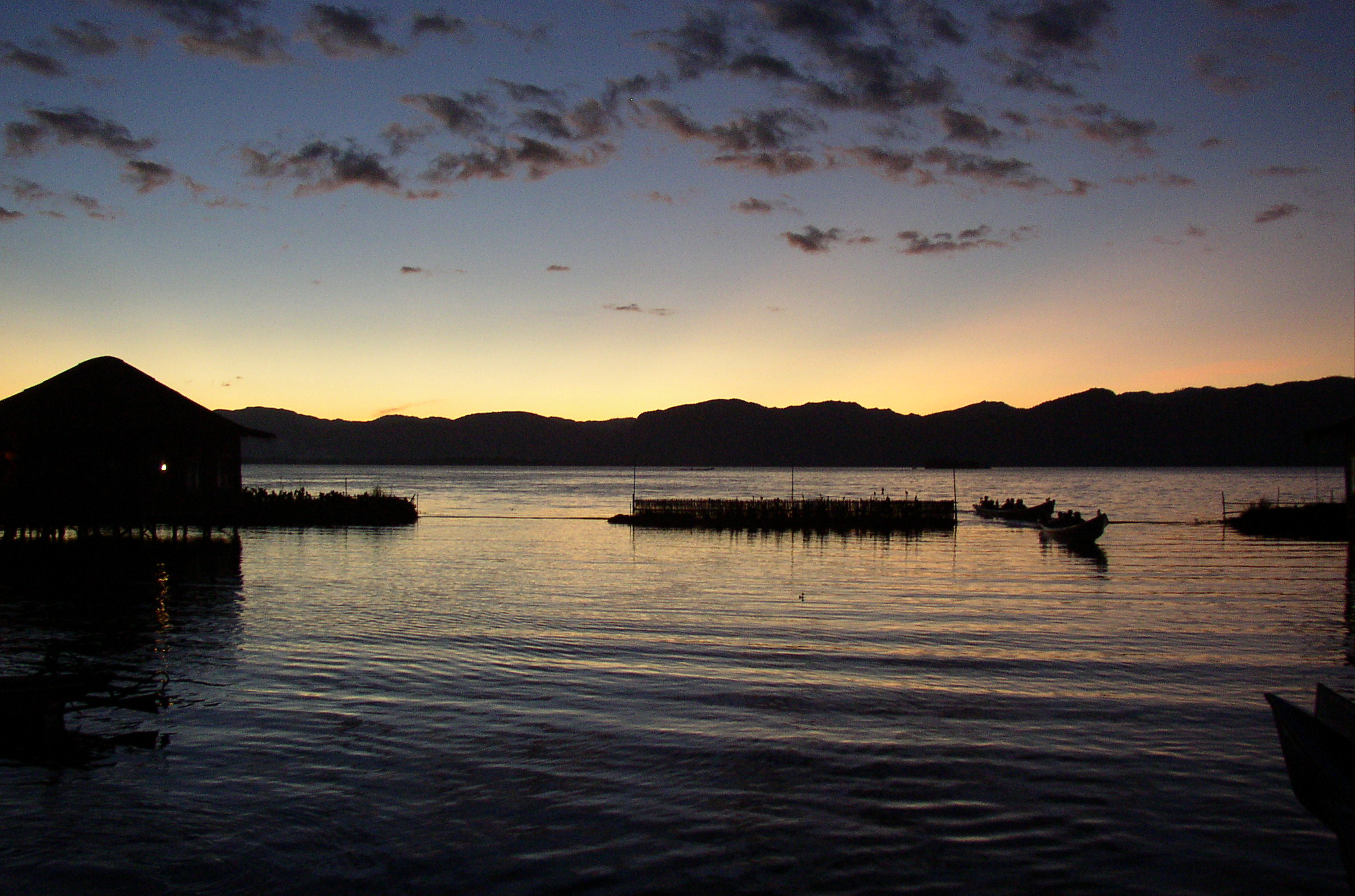
Markets. Restaurants. Street food. Small workshops — Bagan's lacquerware, Inle's silver-smithing and lotus weaving, Mandalay's gold-leaf and stone-carving cooperatives.
Operators that are widely considered ethical by people I've checked with: Sampan Travel (UK-Myanmar, very transparent about supply chain), Khiri Travel (regional operator with a published responsible-travel policy), and a few independent local guides — I am not going to name individuals in print because their work depends on not being identified to a regime hostile to foreign-facing businesses. If you contact me through the publication, I can connect you with a couple I trust.
The most honest framing I have heard, from a Yangon-based businesswoman I spoke with this year: "Boycott was the right answer in 2008. In 2026, our problem is that the world has forgotten us. If you come, come carefully — and tell people what you saw."
That is one woman's view. The opposing view — that no amount of careful spending offsets the legitimising effect of foreign visitors arriving at junta-controlled airports — is also held by serious people, including some inside the country. Both views deserve respect. I am not going to make this call for you.
On-the-ground practicalities — cash, SIM, and rolling blackouts
This is where Myanmar punishes the under-prepared.
Cash. International Visa and Mastercard are not reliably usable. Most ATMs that previously worked for foreign cards have stopped since 2021 banking sanctions tightened. Plan to bring all your trip cash in USD, in pristine bills. Bills must be unmarked, untorn, unfolded, post-2006 series, and ideally USD 100s for the best exchange rate. Bills with the smallest tear or pen mark will be refused. Change USD into kyat at licensed money changers in Yangon or Bagan — never the airport, where rates are punishing. As of May 2026 the parallel-market rate is around 4,500–5,000 kyat to the USD, with the official rate roughly half that.
A reasonable budget: USD 60–120 per day for mid-range comfort outside the high season, double in Bagan or Inle in peak months (November–February).
SIM / eSIM. MPT has an eSIM product that works for foreign devices and can be set up before arrival — that's the easiest path. Ooredoo and Mytel also sell tourist SIMs at Yangon airport. Mytel is military-linked; avoid it on principle. Data is cheap (USD 10–20 covers a 28-day trip). Coverage is decent in cities, patchy in Inle, weak in remote areas. Many resistance- and news-related domains, plus most social media, are intermittently blocked. Bring a VPN — Proton, Mullvad, and Windscribe currently work; the obvious commercial ones come and go. Download the VPN before you fly, since the app stores route through the same restrictions.
Electricity. As of spring 2026, Yangon is on rotating eight-hour outages, sometimes longer. Mandalay is worse. The summer (March–June) is when this is most brutal because of air-con load. Better hotels run generators; budget hotels may not. Carry a 20,000 mAh power bank, a head torch, and assume air-con is conditional rather than guaranteed.
Health and water. Tap water is unsafe. Filtered water is sold everywhere; better yet, bring a Grayl or Steripen and refill. Pharmacies in Yangon are well-stocked for common ailments; rural pharmacies are not. Bring everything you might need. The 7.7-magnitude earthquake near Sagaing in March 2025 damaged regional medical infrastructure significantly — Mandalay General Hospital was operating at reduced capacity through 2025 and is reportedly partly restored as of early 2026. For serious medical events, evacuation to Bangkok is the standard plan, and your insurance probably won't pay for it.
Travel insurance. Most major insurers will not cover Myanmar at all because of the Level 4 advisory. World Nomads excludes Myanmar. SafetyWing covers it but with significant carve-outs. I'd be specifically reading the war-and-civil-unrest exclusions in any policy you buy. The honest expectation: you are largely self-insured.
Solo female travelers — specific considerations
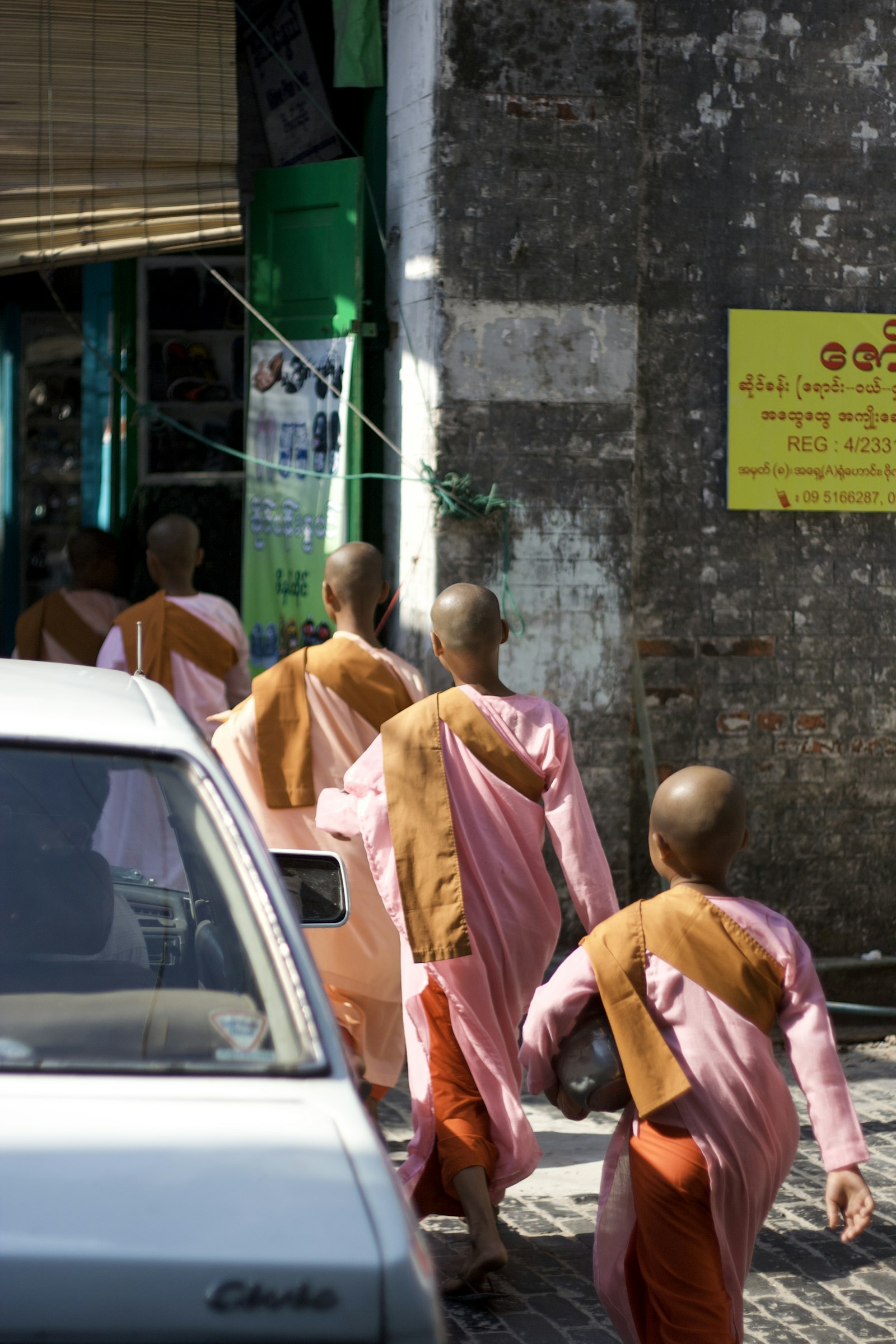
Day-to-day street safety for solo women in Yangon, Bagan, Mandalay, and Inle is, in my view and the view of women I've checked with who travelled in 2024–2025, broadly fine. Catcalling is uncommon. Following / pestering is rare. The cultural reception for solo women in Myanmar has historically been notably better than for solo women in, say, parts of India — and that has not changed under the junta.
What has changed, and what is harder, is the systemic environment around women:
Curfews are intermittent in some areas. Yangon has had on-and-off night curfews since 2021. Check the current status before booking.
Reporting any incident is harder. Local police are an arm of the regime. They are not a resource for foreigners in distress in the way they would be in Thailand. Your first call is your embassy, not the police.
Female travellers of South Asian heritage (a category that includes me) should know that immigration treats us with more scrutiny than white travellers, and that the regime's anti-Rohingya posture spills onto South Asian–presenting visitors at checkpoints. This is not Myanmar-only, but it is sharper here than across the border in Thailand. Bring printed flight reservations, hotel bookings, and a return ticket; expect questions.
Period products. Pads are widely available in pharmacies and supermarkets in cities. Tampons are essentially not for sale anywhere outside top-end Yangon hotels. Bring what you need. A cup or disc is a much better answer than relying on local supply.
Dress. Pagodas require shoulders covered and below-the-knee bottoms; shoes off well before the temple area. Outside pagodas, Myanmar is more relaxed than Western media implies — local women wear shorter sleeves, jeans, even shorts in Yangon's heat. Calibrate by the room, not by the country.
Female-friendly accommodations I can flag from credible recommendations: Loft Hotel in Yangon (women-led front desk team, central, vetted by women I trust), Bagan Lodge (well-run, female managers, security solid), Inle Princess Resort in Maing Thauk village near Inle (community-owned, employs women from surrounding villages). None of these is on the Burma Campaign UK dirty list as of my last check in April 2026 — but verify yourself before booking, the list updates.
Should you go in 2026?
Here is where I have to be honest about a piece of writing being a poor substitute for a real conversation.
If you are asking me whether a first-time Southeast Asia traveller should make Myanmar her solo debut in 2026 — no. Go to Vietnam, Laos, or northern Thailand for that trip. The learning curve in Myanmar is steep, the support infrastructure is thin, and the time you'd spend pre-clearing risks is time better spent travelling.
If you are asking me whether an experienced traveller with a real reason to go — family connection, a project, work with a vetted local NGO, or a clear-eyed desire to see a place the world is forgetting — should book a trip: I think you can, and I think you should think very hard about how. Use a vetted operator. Stay inside the corridor. Carry crisp USD. Bring the VPN, the power bank, the menstrual cup, the printed bookings. Skip Rakhine, Chin, Sagaing, Kachin, and northern Shan without negotiation. Photograph carefully. And spend the bulk of your money where it lands with people, not generals.
Would I go this year? I would. I would go for two weeks, fly between Yangon, Bagan, and Inle, hire local guides directly, stay in family-run places, and accept that my insurance is a piece of paper that probably won't help. I would also accept that this is a more political act than visiting Vietnam or Laos, and I would not pretend otherwise.
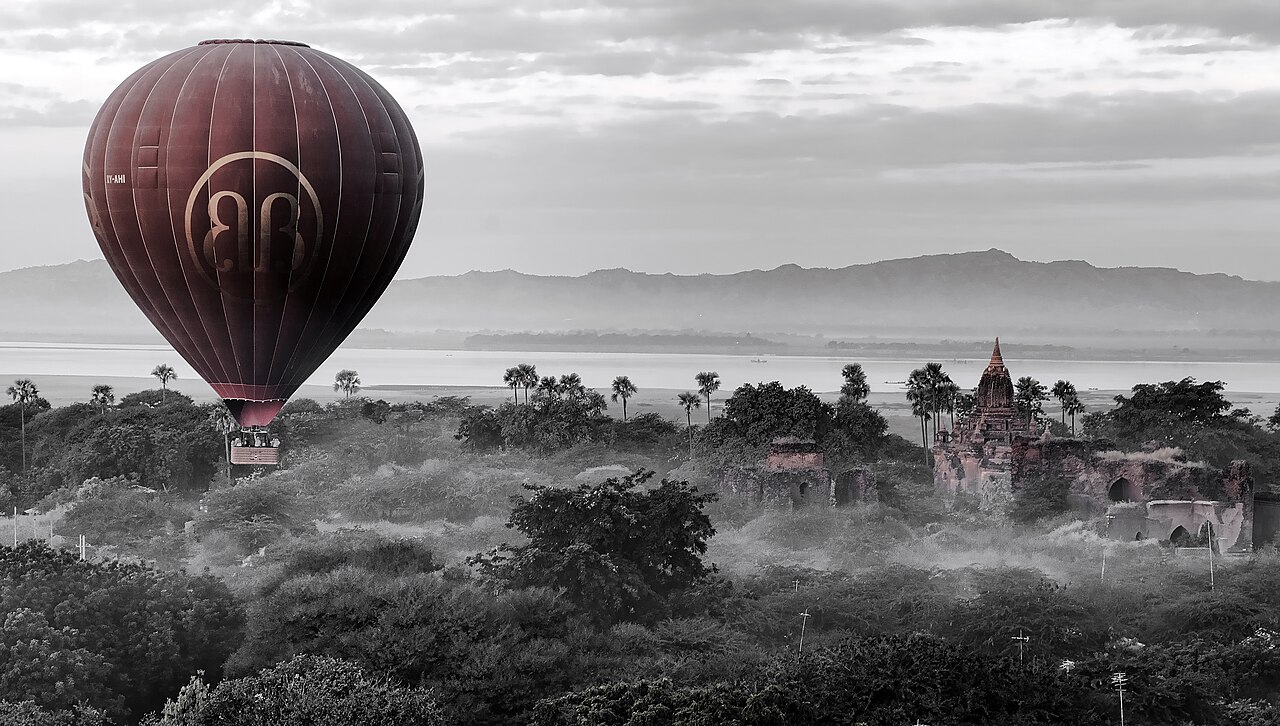
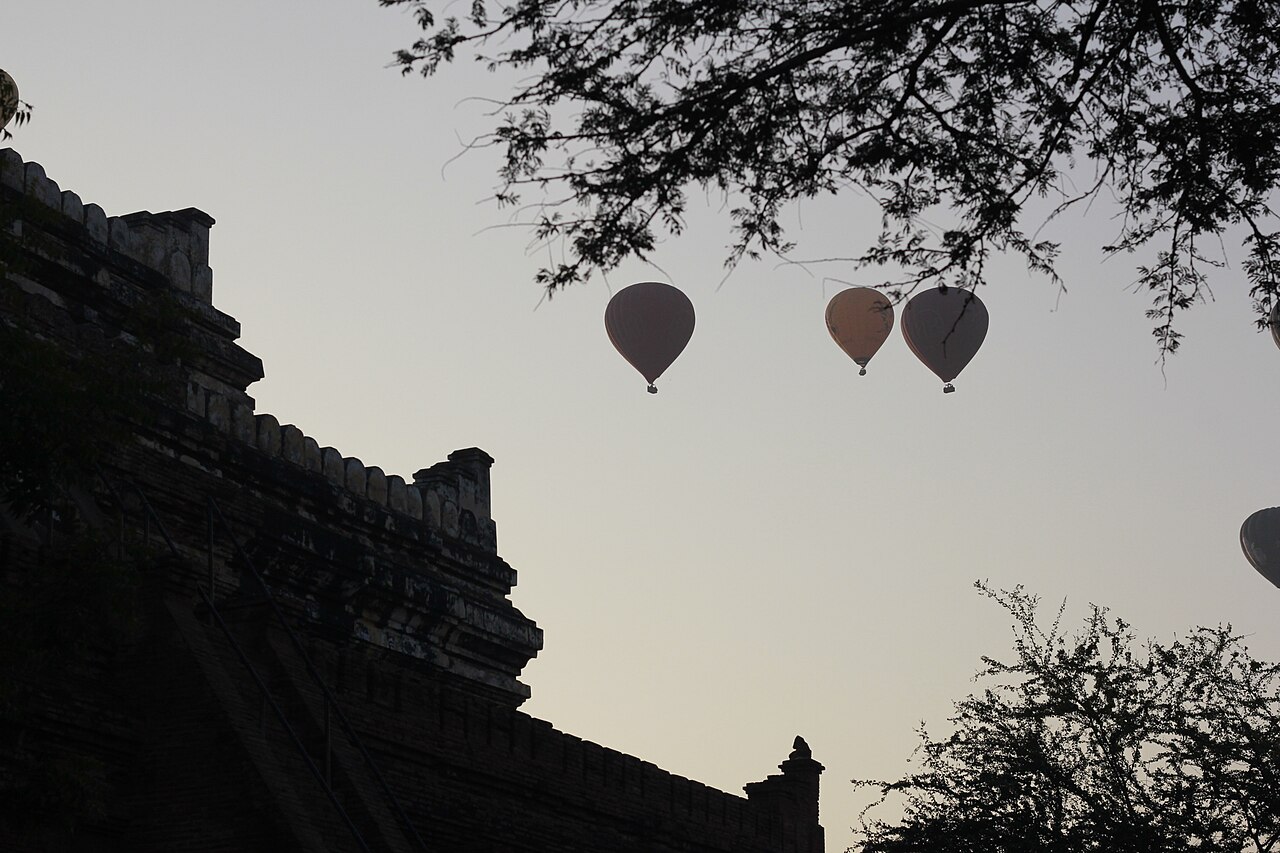
That's my answer. Yours is allowed to be different. The point of this piece is that you make it on real information — not on a single Level 4 sticker, and not on a single Instagram balloon.
Solo female traveler from Bangalore. Safety advocate, responsible tourism, women-run cooperatives — empowering, never alarmist.
✦ More from Priya Sharma


✦ Keep reading
More from this region

More in Destinations
✦ Discussion
Start the discussion
No replies yet — yours could be the first.