
Is Indonesia Safe to Visit in 2026?
Indonesia is one of the most rewarding countries I've traveled in, and for the great majority of visitors it is genuinely safe. But "is Indonesia safe" is the wrong question, because it flattens an archipelago of 17,000 islands into a single yes-or-no. The honest version is: safe from what, where, and doing what. The thing most likely to hurt you in Indonesia is not crime, not terrorism, not a volcano. It's a rented scooter. So I'm going to lead with that, because every guide that buries it under "petty theft can occur" is doing you a disservice.
The honest answer
For a traveler with reasonable judgment, Indonesia is moderate risk — safe with specific precautions. Bali, Java, Lombok, the Gili Islands, Yogyakarta, Komodo and the standard tourist routes are well-trodden and not dangerous in any dramatic sense. Violent crime against tourists is uncommon. Indonesia is a Muslim-majority country with a relaxed travel culture in its tourist regions; solo women travel here constantly and most have an unremarkable, good trip.
The real risks, ranked the way the actual data ranks them: road accidents (overwhelmingly the leading cause of tourist death and serious injury), natural hazards (volcanoes and earthquakes — dramatic but statistically minor for visitors), water and surf, petty theft and scams, and a small number of specific regions you should not be in — chiefly the Papuan highlands. Notice that the things at the top of that list are the things travel marketing never mentions, and the things at the bottom are what fills the comment sections. Calibrate accordingly.
The scooter is the real risk — take it seriously
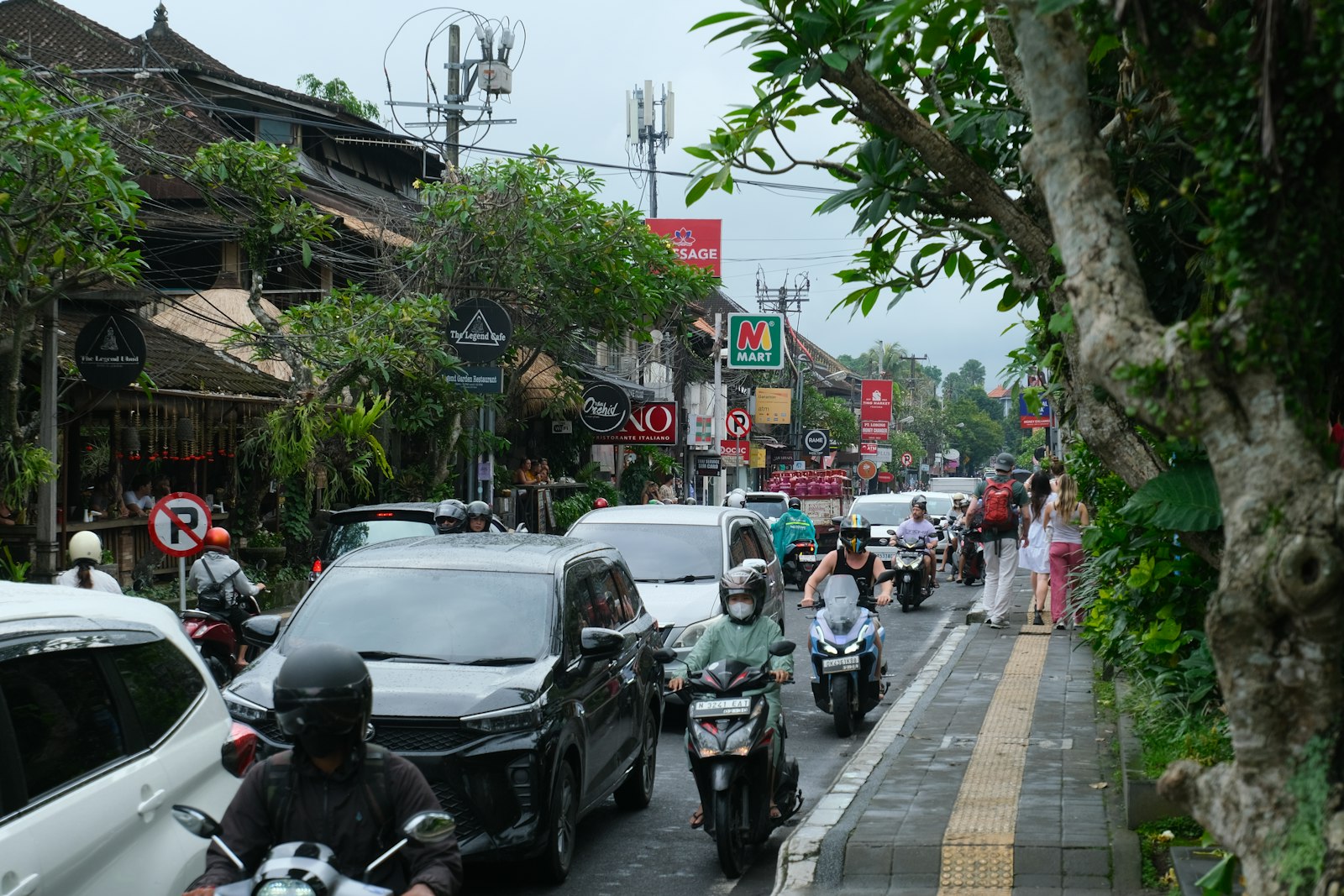
Here is the sentence I want you to remember: in Bali, foreign nationals are far more likely to die or be seriously hurt on a motorbike than from anything else. It happens constantly, and it happens to people exactly like you — competent, sensible travelers who'd never ridden a scooter before, rented one at the airport, and were navigating Balinese traffic within the hour. Inexperience is cited again and again in the crash reports.
So let's be practical. If you ride in Indonesia:
You legally need an International Driving Permit with a motorcycle endorsement, plus your home-country licence that also shows a motorcycle category. A car licence does not cover you. As of 2026 this is being enforced — Bali launched a dedicated traffic task force in April 2026 and is running a zero-tolerance line on foreign drivers without correct papers. Riding without the right licence isn't just a fine risk.
It voids your travel insurance. This is the part that turns a bad day into a catastrophic one. If you crash while riding unlicensed, your insurer can — and routinely does — decline the claim. Indonesian hospital bills and medical evacuation run into tens of thousands of dollars. An uninsured serious crash can be financially ruinous on top of everything else.
Get the IDP before you leave home. It's cheap (around USD $20 in most countries) and takes minutes through your national automobile association. You cannot reliably get one in Indonesia.
Wear a real helmet, every time. Not the flimsy rental one balanced on your head — a proper one, strapped. Most fatal head injuries here are riders without one, or with one unbuckled.
If you've never ridden, Bali traffic is not where you learn. Practice somewhere quiet first, or simply don't ride. Which brings me to —
You do not have to ride. Gojek and Grab — Indonesia's ride-hailing apps — work brilliantly across Bali, Java and the larger cities, are cheap, tracked, and let someone else handle the traffic. For longer trips, hiring a driver for the day costs roughly USD $40–55 and is one of the best-value, lowest-stress decisions you can make. I ride in plenty of countries; in Bali I mostly don't, and I don't feel I'm missing anything except the risk.
Volcanoes and earthquakes — dramatic, but keep them in proportion
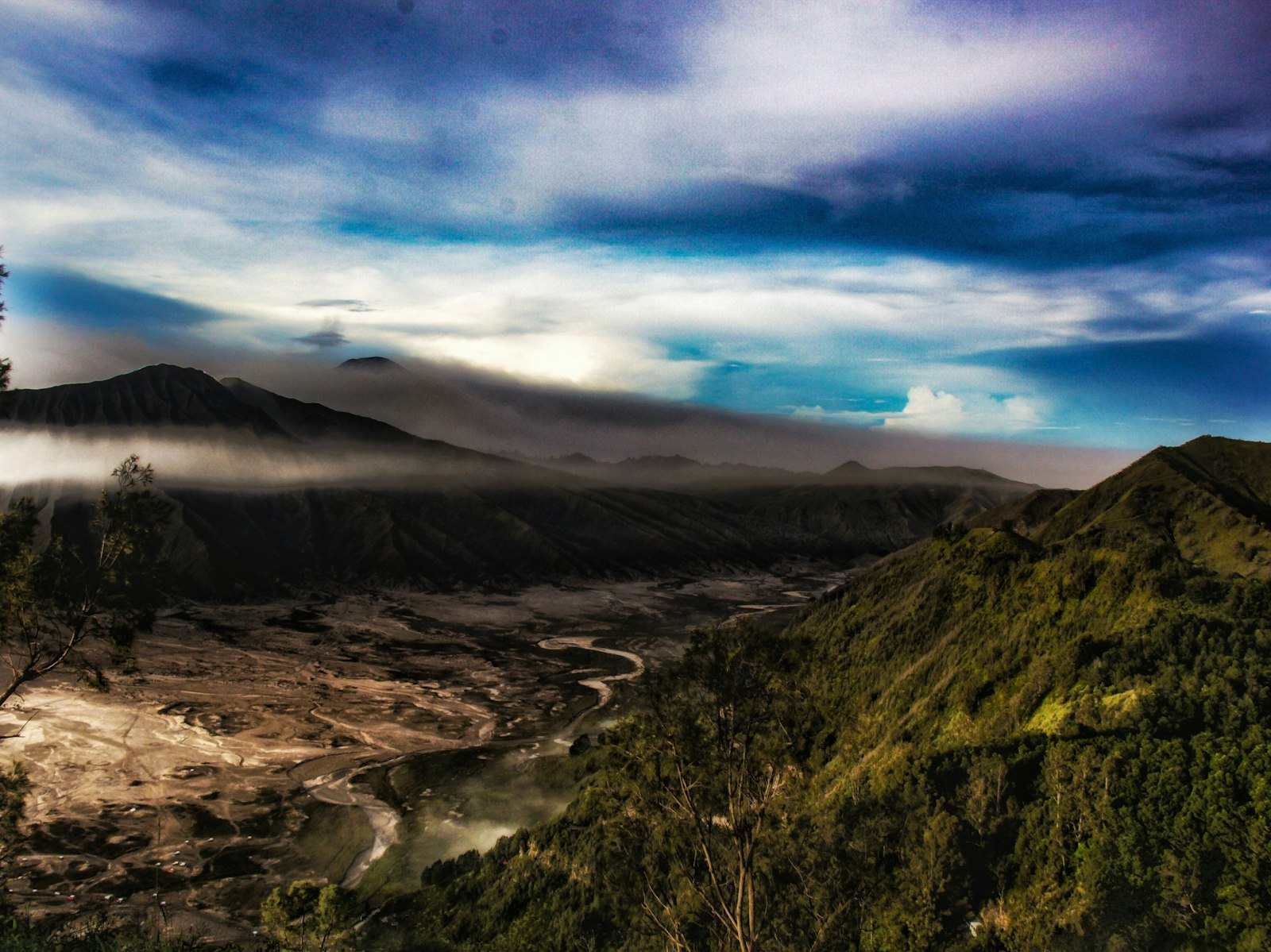
Indonesia sits on the Pacific Ring of Fire. It has more active volcanoes than any country on Earth, and in 2026 several are genuinely active. As of May 2026, Lewotobi Laki-laki on Flores has been erupting more or less continuously since March, with authorities raising the alert to the highest level after eruptions in mid-May; Mount Ibu on Halmahera has erupted hundreds of times this year; and the Marapi region of West Sumatra has seen deadly cold-lava flows (volcanic debris swept down by heavy rain) earlier in 2026.
This sounds alarming. Here's the proportion: these volcanoes are in specific, known places, monitored by Indonesia's volcanology agency (PVMBG), and they come with exclusion zones that are enforced. The practical effects for a typical traveler are (1) flight disruption — ash clouds close airports, and Flores/eastern Indonesia routes are the most affected — and (2) the need to not walk into an exclusion zone, which some travelers genuinely do for a photo. Don't be that person.
What to actually do:
Before booking volcano-region travel (Flores, parts of eastern Indonesia, Sumatra's volcano belt), check current alert levels on the PVMBG / MAGMA Indonesia platform, and check VolcanoDiscovery for plain-language status.
Build buffer days into eastern-Indonesia itineraries — assume one flight may be disrupted.
For volcano hikes that are open (Bromo, Ijen, Batur), go with a licensed guide and obey the rangers. Ijen in particular has a real toxic-gas hazard at the crater; the guide is not optional.
Have travel insurance that covers natural-disaster trip disruption — many cheap policies don't.
On earthquakes and tsunamis: Indonesia has frequent quakes, and 2026 has already seen a significant one — a magnitude 7.6 in the Maluku Sea in April that triggered tsunami warnings. Most quakes you'd feel are minor. The genuinely useful preparation is small: know that if you're on a coast and feel a strong, long earthquake, you do not wait for an official warning — you move to high ground immediately, because near-field tsunamis can arrive in minutes. Know your hotel's exits. That's it. This is not a reason to stay home; it's a reason to know one rule.
Theft, scams, and the things that actually annoy travelers
Violent crime against tourists is uncommon in Indonesia. What you'll realistically encounter is petty stuff — and it's mostly avoidable.
The classics, and the fix for each:
Airport taxi overcharging (Bali's Ngurah Rai and Jakarta especially) — fake drivers, rigged "meters." Fix: book a Grab/Gojek or use the official airport taxi counter; agree the price before getting in.
Bag-snatching from scooters — a passing rider grabs a bag off your shoulder or basket. Fix: wear bags across your body on the side away from traffic; don't dangle a phone or bag while riding.
Drink spiking — reported in Bali nightlife, and the related danger of methanol-tainted local spirits, particularly cheap arak. Fix: watch your drink, don't accept open drinks from strangers, and stick to sealed bottled or canned drinks and reputable bars. Methanol poisoning is rare but serious — if a "cocktail" is suspiciously cheap, skip it.
Money-changer short-changing — sleight-of-hand at unofficial booths. Fix: use authorized changers (PT Central Kuta is the well-known reliable chain), count your money before leaving the counter, and use ATMs attached to actual banks.
The "your hotel is closed / let me take you to a better one" diversion and overpriced "tours." Fix: book accommodation and tours through known platforms, confirm prices in writing.
None of this is unique to Indonesia, and none of it should shape your decision to go. It should shape your habits: cross-body bag, app-based transport, sealed drinks, counted cash.
Solo female travel and regional notes
I'll be straight, including about who I am when I say this: I'm a South Asian woman, and my read on a place is partly shaped by that. A white woman, a Black woman, an East Asian woman and I will each draw different amounts and kinds of attention in Indonesia. Most of it is curiosity, not threat — but it's worth knowing your experience won't be identical to the blogger you're reading.
For solo women, Indonesia is broadly comfortable and very well-traveled. Bali in particular has a deep solo-traveler infrastructure. Practical notes:
Dress is relaxed in Bali's tourist zones — far more so than first-timers expect. Outside Bali, calibrate up: Java, Lombok, Aceh (which has its own conservative legal code — be especially mindful there) and rural areas are more conservative. Covering shoulders and knees is respectful and reduces unwanted attention. Temples require a sarong, usually provided.
Transport at night: use Grab/Gojek rather than walking unlit streets or flagging unknown cars. The app trail matters.
Harassment does happen — catcalling, the occasional grope in a crowd. It is not pervasive in tourist areas, but it exists. A firm, loud, public response works; Indonesian bystanders will generally side with you.
Periods: pads are easy to find everywhere; tampons are scarce outside Bali and big cities and expensive where they exist. Bring your own supply, or — better for a long trip — a menstrual cup or period underwear. This is a genuine packing item, not an afterthought.
Women-friendly stays: Bali, Yogyakarta and Lombok all have well-run hostels with female dorms and strong solo-traveler scenes. Choose places with 24-hour reception and recent reviews from solo women.
Region by region, the short version:
Bali — the most set-up, most touristed, safest-feeling for a first solo trip. Main risks: scooters, nightlife, pickpockets in crowds.
Java — Yogyakarta, Borobudur, the volcano hikes; safe and rewarding, slightly more conservative, a great solo destination.
Lombok and the Gilis — generally safe; the Gilis have no police presence to speak of, so theft from accommodation does happen — lock your valuables. Lombok's Rinjani trek must be done with a licensed operator.
Komodo / Flores — fine for visitors; Komodo dragons are genuinely dangerous wild animals, so never go without a licensed park ranger. Factor in volcano-related flight disruption.
Sumatra — safe and wonderful (orangutans, Lake Toba); longer distances and rougher roads — use trusted operators.
Papua — Papua Pegunungan (Highland Papua) and Papua Tengah (Central Papua): this is the one clear "don't." Multiple Western governments advise reconsidering or avoiding travel there due to armed conflict, the highest kidnapping risk in the country, and armed groups that have explicitly said they target foreigners. Consular help is very limited. This is a real, current, specific exclusion — not the generic caution that gets slapped on whole countries. The well-known dive area of Raja Ampat sits in West Papua province and is generally treated as far lower-risk, but if you're considering anywhere in the Papuan provinces, read your government's current advisory in full and don't improvise.
If something goes wrong
Save these before you go:
General emergency: 112 — works nationwide, connects police/ambulance/fire. The simplest number to remember.
Police: 110. Ambulance: 118 or 119. Fire: 113.
Bali Tourist Police hotline: +62 361 224 111 — they handle visitor-specific problems (lost passports, scams, reports) and English is more reliable here.
Your embassy or consulate — the US, UK, Australia and Canada all have a consular presence in Bali (consulates/consular agencies) and embassies in Jakarta. Look up and save your specific one before you travel. Australia's consulate in Denpasar is a major one given the volume of Australian visitors.
Register your trip with your foreign ministry (Smartraveller, the UK's travel-advice subscription, the US STEP program, Canada's ROCA). It takes five minutes and means you're contactable in a disaster.
For a serious medical issue, Bali's BIMC Hospital and Siloam Hospitals are the international-standard options travelers are usually referred to; outside Bali and Jakarta, facilities thin out fast — which is, again, why insurance with medical evacuation cover is non-negotiable. Carry a digital and paper copy of your passport and insurance policy.
Where your money goes
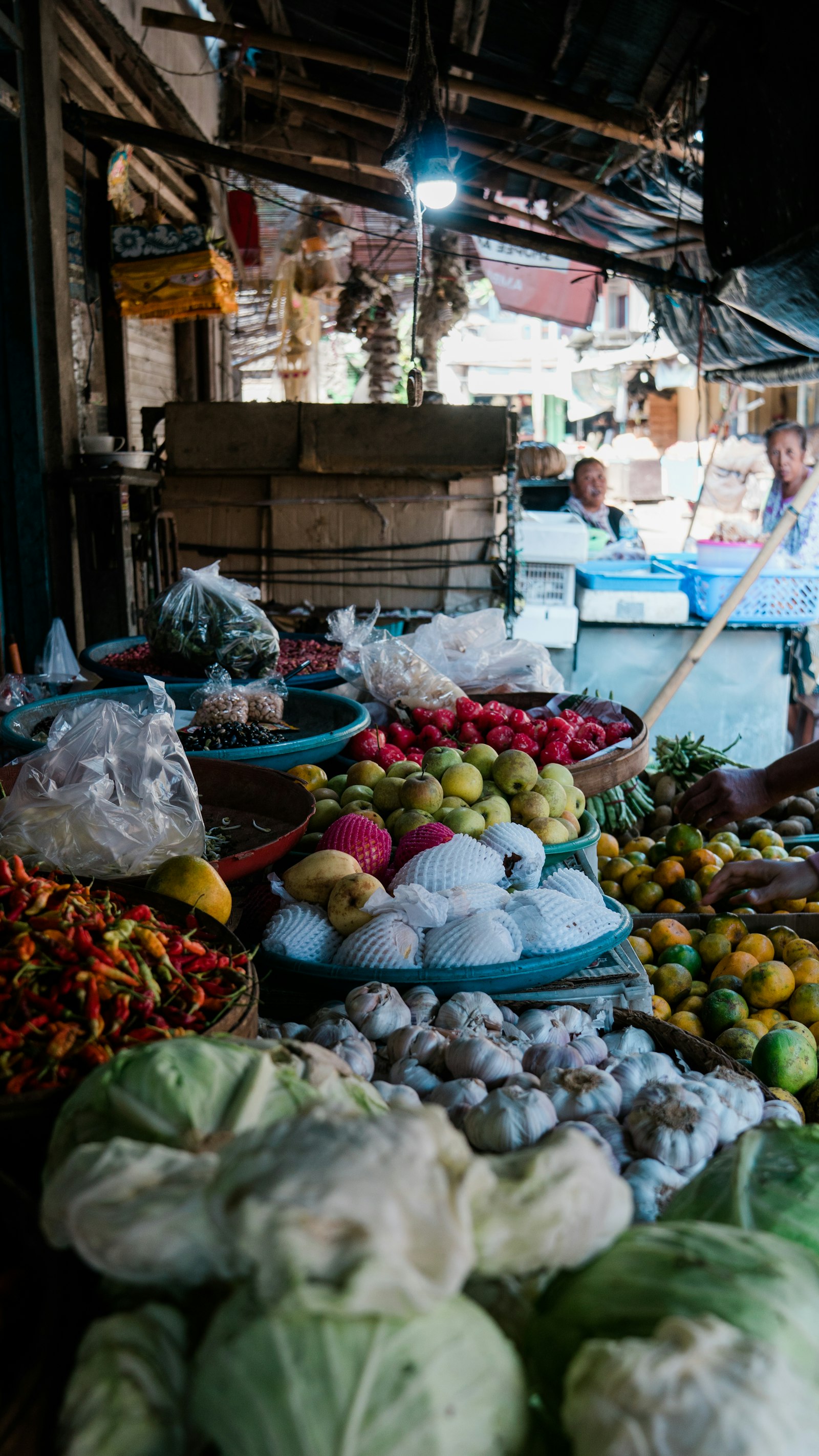
Indonesia's tourism can be extractive — big resorts, foreign-owned operators, profit that leaves the island. You can choose differently, and it makes the trip better, not just more virtuous.
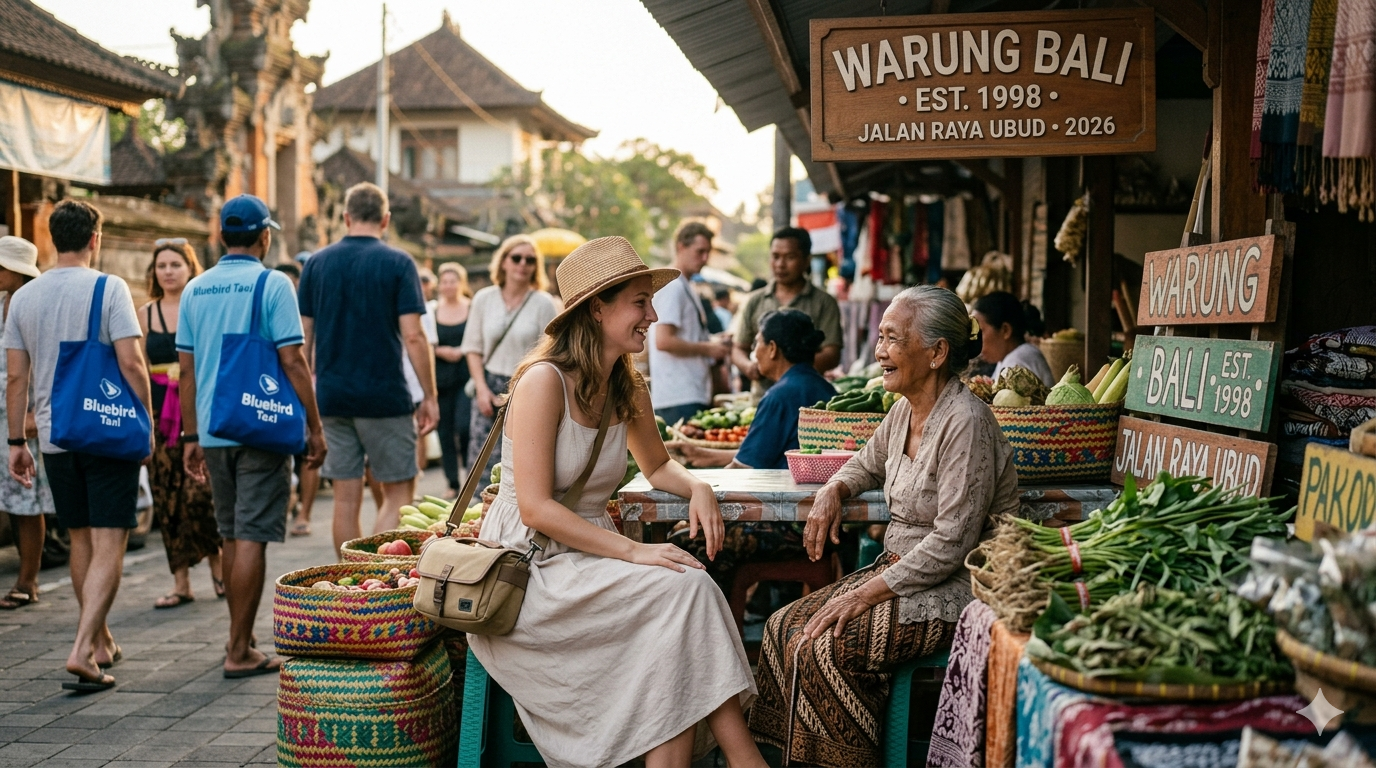
Stay in locally owned places. Family-run homestays and losmen, especially in Yogyakarta, Lombok, Flores and rural Bali, put money straight into a household. Ubud and the Sidemen valley have lovely village-stay options.
Hire local, licensed guides directly — for Rinjani, Ijen, Komodo, Borobudur, orangutan trekking in Sumatra. A licensed guide is both the safer choice and the one whose fee stays local.
Komodo specifically: book operators that work with park communities; the park fees fund ranger patrols and community programs. Liveaboards vary enormously in their labor and environmental standards — ask.
Be wary of wildlife "experiences" that involve holding, riding, or photographing captive animals — civet-coffee (kopi luwak) farms, posed-photo monkeys and the like are frequently cruel. Wild orangutan trekking with a reputable, conservation-linked operator is the ethical alternative.
Buy from makers — Indonesia has extraordinary craft traditions and women-run weaving and batik cooperatives across Bali, Lombok, Flores and Sumba. Buying directly from a cooperative beats an airport gift shop on every axis.
The bottom line
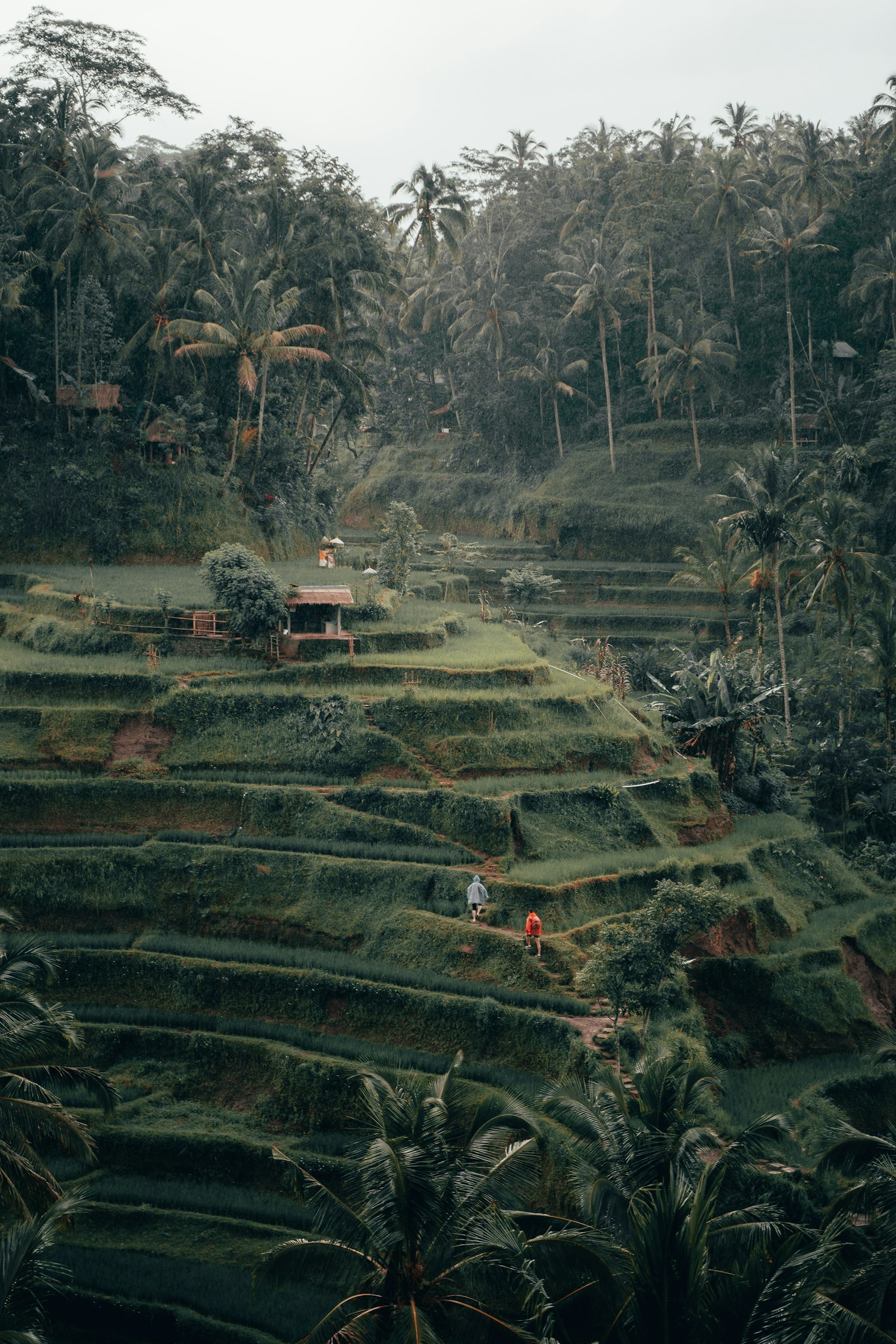
I'd go. I'd go without hesitation, and I'd go solo. Indonesia in 2026 is, for the ordinary traveler on the ordinary routes, a safe and extraordinarily rewarding place — and the country's reputation for danger is mostly inherited from headlines about volcanoes and a conflict region most visitors will never go near.
But "I'd go" comes with a short, non-negotiable list. Get the International Driving Permit before you fly or don't touch a scooter — this single decision is the difference between Indonesia's main risk applying to you or not. Buy proper travel insurance with medical evacuation and natural-disaster cover, and don't void it. Check volcano alerts before eastern-Indonesia legs and build in buffer days. Stay out of the Papuan highlands. Cross-body bag, app-based transport, sealed drinks. Do those things, and the version of Indonesia you'll experience is the real one: warm, generous, and a long way from the one the worry-merchants describe.
Solo female traveler from Bangalore. Safety advocate, responsible tourism, women-run cooperatives — empowering, never alarmist.
✦ More from Priya Sharma


✦ Keep reading
More from this region


More in Destinations
Where this happens

✦ Discussion
Start the discussion
No replies yet — yours could be the first.