


The Best Travel Insurance for Indonesia and Bali in 2026
The first thing you notice on the road out of Ngurah Rai airport is the rivers of scooters — two-stroke and electric, families of four balanced on a single seat, a surfboard rack welded to the side of a Honda Vario, all of it moving with a logic that looks like chaos until you understand it isn't. By the end of your first week you will probably be in that river yourself. That is the moment most travelers' insurance quietly stops working — not because the policy is bad, but because nobody read the clause about who is allowed to ride.
This is a buyer's guide, and it is going to be opinionated. But it does not start with insurers. It starts with Indonesia: what this particular country, and Bali specifically, actually puts at risk — your spine on a wet road in Canggu, your itinerary when an ash plume closes Denpasar, your savings if you need an air ambulance to Singapore. Get clear on the risks, and the right policy mostly chooses itself. This piece is a companion to our look at Thailand travel insurance and AXA Sawasdee — same comparative spirit, a different country with different traps. Indonesia's traps are sharper.
What Indonesia Actually Asks You to Insure
Most travel insurance advice is written as if every destination carried the same risks. It doesn't. Indonesia is an archipelago of more than 17,000 islands sitting along the most volcanically active stretch of the Ring of Fire, where the everyday transport is a motorbike and the everyday excursion is something — a reef, a ridgeline, a crater — that a desk in London would call an "adventure activity." A policy that is excellent for a city break in Lisbon can be close to worthless here.
Five things matter, roughly in order of how often they actually generate a claim:
Indonesia rewards travelers who plan well and quietly punishes those who don't. Travel insurance is where that punishment is itemized.
First, scooter and motorbike accidents — the single most common serious claim in Bali, and the one most often denied. Second, medical evacuation to Singapore or an Australian city, because Indonesian hospitals outside a few private centers in Jakarta and Bali are not where you want a complex injury treated. Third, natural-disaster disruption — eruptions, ashfall, earthquakes — which can strand you for days. Fourth, adventure activities: diving, surfing, trekking a volcano, all routinely excluded unless you specifically add them. Fifth, theft and, for the growing nomad population, long-stay coverage that doesn't expire at 90 days. Judge any policy against those five, and you'll cut through the marketing fast.
The Scooter Trap — The Clause That Voids the Most Claims
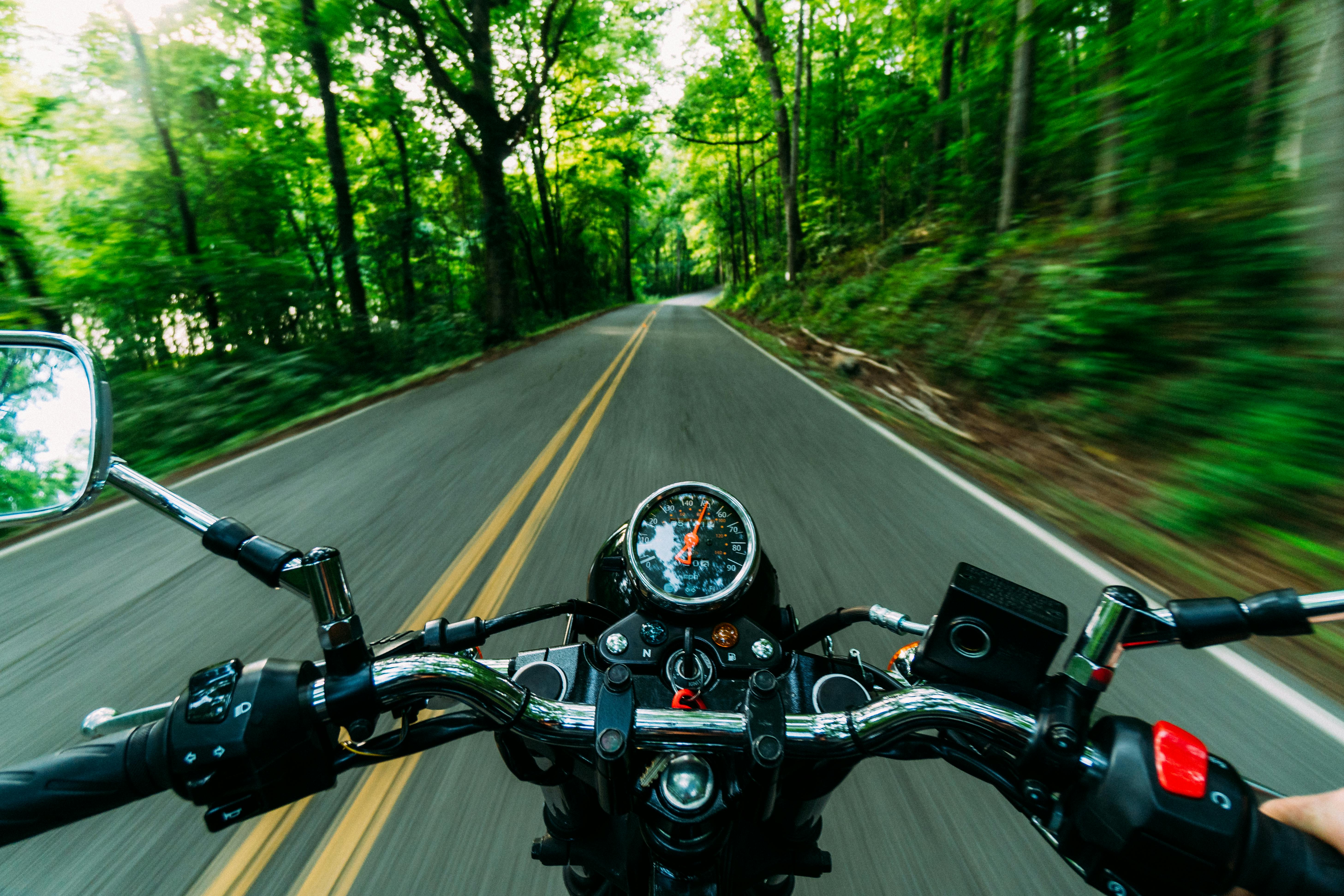
If you read one section of this guide, read this one. It is the difference between a policy and a piece of paper.
Roughly seven in ten road fatalities in Indonesia involve a motorcycle. You do not need to be reckless to be in a claim — wet asphalt, a dog, a tourist who turned without looking, gravel on a blind Ubud corner. The medical bill that follows can run from a few hundred dollars for road rash to a five-figure evacuation for a head injury. Whether your insurer pays it comes down to a few lines of fine print that most travelers never read until they are reading them in a hospital in Denpasar.
Here is the trap, stated plainly. Most policies will cover a scooter accident only if all of these are true: you held a licence valid for the bike you were riding, you wore a helmet, and you were not intoxicated. The licence requirement is where claims die. Indonesia legally requires foreign riders to carry an International Driving Permit endorsed for motorcycles — Category A — alongside their home licence, or a local SIM C. And here is the part almost nobody knows: the IDP issued under the 1949 Geneva Convention, which is the standard one in the United States and Canada, does not cover motorcycles in Indonesia at all, even if your home licence does. Only the 1968 Vienna Convention IDP carries the motorcycle category. A car licence plus a Geneva IDP — the kit most American travelers proudly produce at the rental shop — is not, for insurance purposes, a licence to ride.
The rental shop will not check your licence. Your insurer will — but only after the accident, when it is too late to fix.
The rental shops in Canggu and Ubud will hand you a key against a photo of your passport and zero questions. That tells you nothing. The check that matters happens later, at the claims desk, and a claim adjuster reading "motorized two-wheeler use without Category A endorsement" will close the file. So:
If you hold a proper motorcycle licence and a Vienna-Convention IDP with the Category A stamp, you have the widest field of insurers to choose from.
If you only have a car licence, your honest options narrow sharply. SafetyWing is the notable exception: its Nomad Insurance covers motorbike accidents on bikes up to 125cc with no motorcycle-licence or IDP requirement — and since most Balinese rental scooters are 110–125cc, that covers the typical traveler's typical bike. The helmet and sobriety conditions still apply, absolutely.
Whatever you ride, wear the helmet every single time — including the two-minute trip to the warung. "I was just going around the corner" is not a clause any policy contains.
This is not a reason to avoid scooters. It is a reason to either get the right licence before you fly or pick an insurer whose rules match the bike you'll actually rent — and to do it before you book, not after.
Medical Evacuation — The Number That Should Be Large
A scraped knee gets treated locally. A serious injury or illness gets you a conversation about evacuation, and that is where insurance earns its entire premium.
Indonesia has excellent private hospitals — BIMC and Siloam in Bali, several in Jakarta — but their capacity for major trauma, neurosurgery, or complex cardiac care is limited. The medical answer to a serious case is often a transfer to Singapore or to Darwin or Perth. An air ambulance on that route is not a taxi: depending on the configuration and the medical team aboard, it can cost anywhere from roughly $25,000 to well over $100,000. Repatriation all the way home costs more again.
This is why the evacuation limit matters more than almost any other number on the policy. Treat anything under $250,000 of evacuation cover as thin for Indonesia, and look for $500,000 or more. For comparison: World Nomads' Standard plan carries around $500,000 in emergency evacuation and the Explorer plan roughly $1,000,000. SafetyWing's Nomad Insurance includes evacuation within its overall benefit structure; its lifetime medical maximum sits around $100,000 on the Essential plan, which is adequate for most travelers but worth knowing if you have a complicated medical history. The Australian comprehensive policies — Cover-More, Allianz, and the rest — generally list "unlimited" or very high emergency medical and evacuation cover, which is one genuine reason they cost more.
One number that is easy to misread: the headline "medical" limit and the "evacuation" limit are different lines. A policy can advertise a large medical figure and still cap evacuation low. Read both.
Volcanoes, Ashfall, and the Word "Unforeseen"
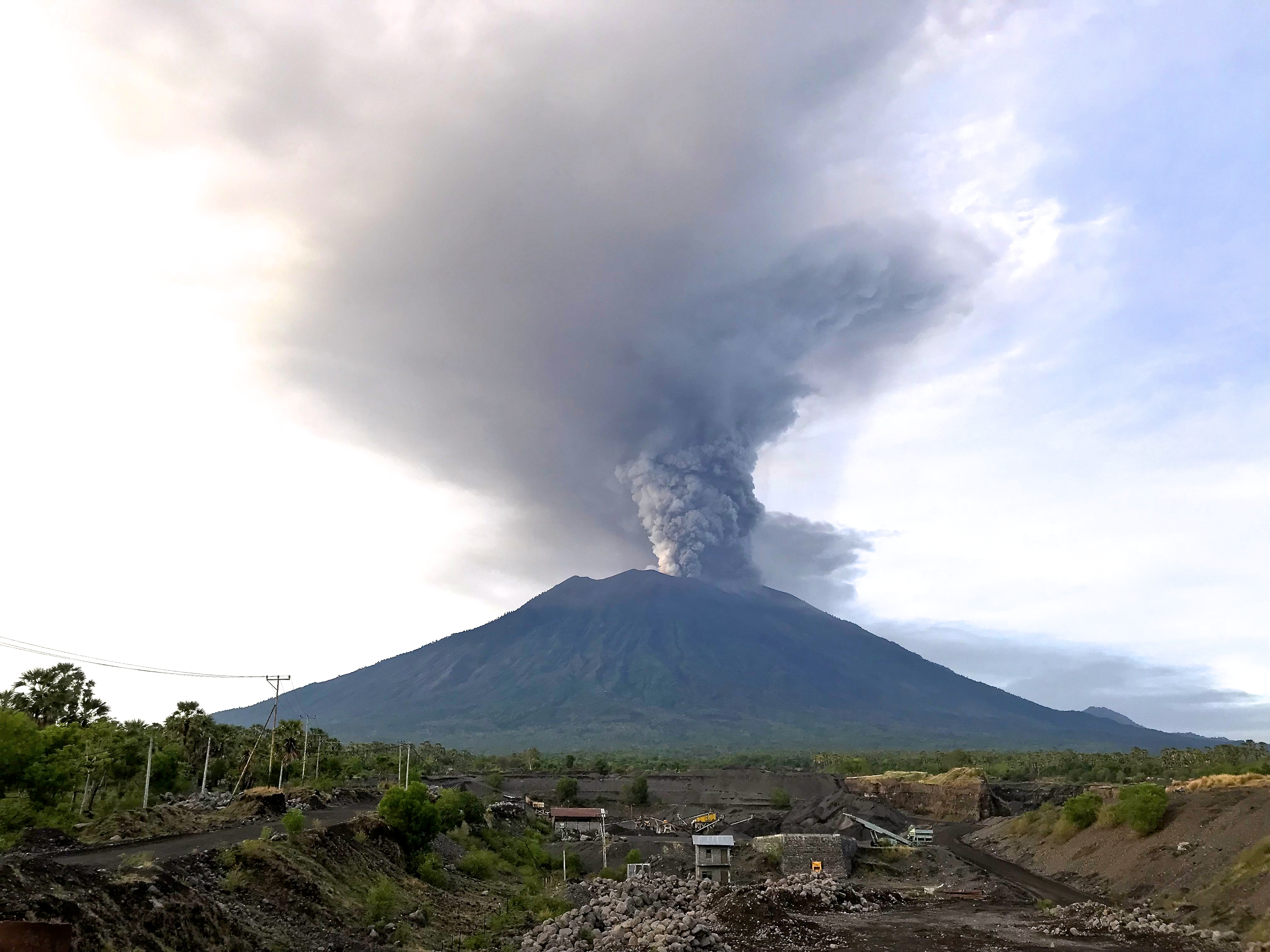
Indonesia's volcanoes are not scenery; they are infrastructure risk. Mount Agung's 2017–2018 eruptions closed Bali's airport repeatedly and stranded tens of thousands of travelers across multiple days; Mount Rinjani on neighboring Lombok has shut Denpasar's airspace with ash clouds more than once. Agung last erupted in 2019 and remains active and closely monitored. Plan a trip to this part of the world and you are, statistically, planning around a volcano whether you think about it or not.
Two things to understand about how insurers treat this. First, medical costs from a natural disaster are covered as standard in essentially every comprehensive international policy — you do not need an add-on to be treated after an earthquake. Second, and this is the catch, trip disruption from a volcano is only covered if the eruption was "unforeseen" at the time you bought the policy. Once an eruption is active and in the news, it becomes a "known event," and a policy purchased after that point will not pay for the cancelled flights and extra hotel nights it causes.
Buy the policy when you book the trip, not when you pack. With volcanoes, the calendar is the coverage.
The practical rule writes itself: purchase your insurance the day you book your flights, while every volcano on the route is still quiet and therefore still "unforeseen." Then check that the policy actually includes travel-delay and trip-disruption cover — some budget medical-only plans, including SafetyWing's leaner Essential tier, are strong on medical but light on the cancelled-flight, extra-accommodation side. If protecting the cost of the trip itself matters to you, that gap is the thing to close.
Diving, Surfing, and Trekking a Volcano — Read the Activities List
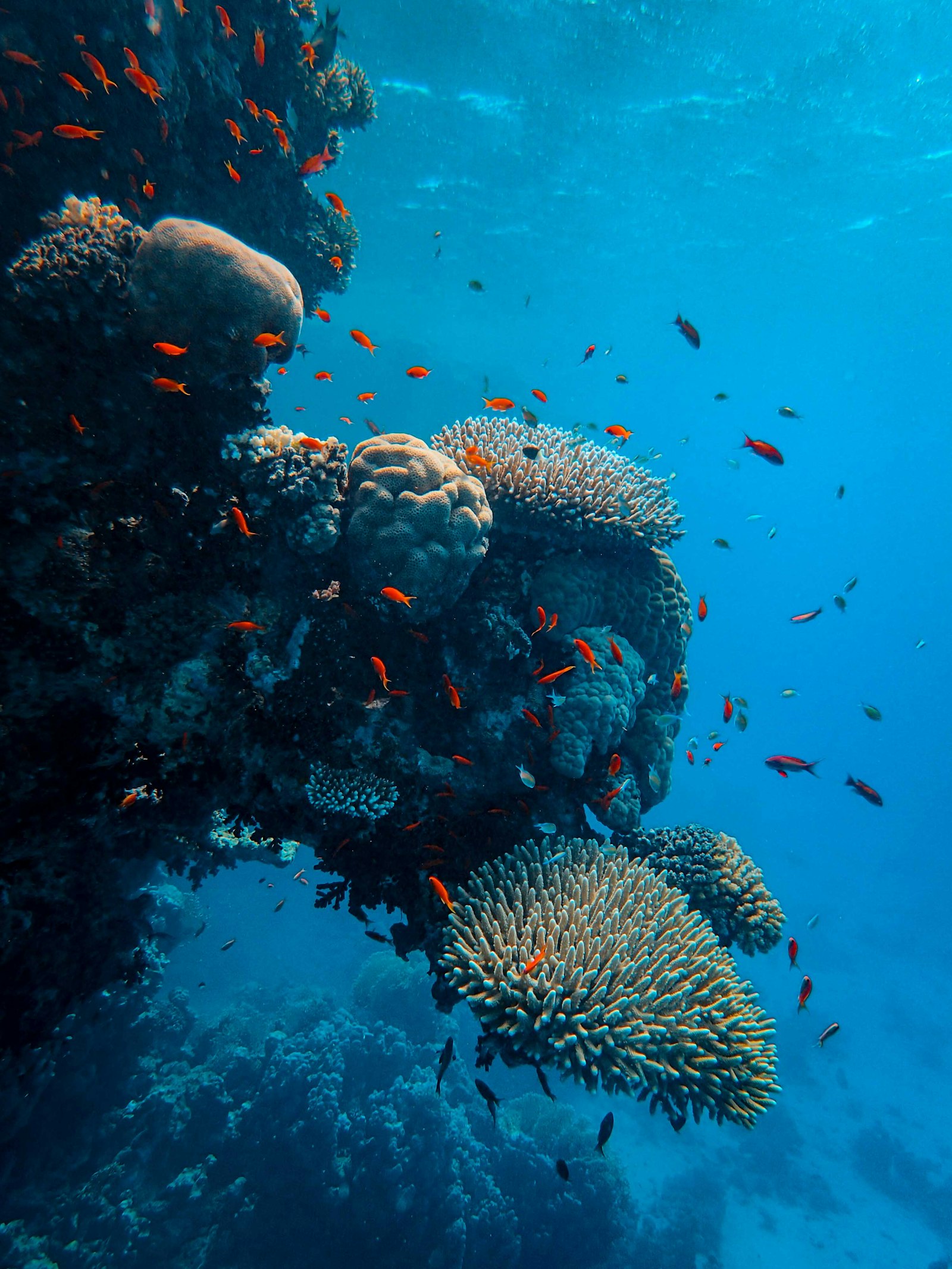
The reason many people come to Indonesia is, in insurance language, an excluded activity. The Coral Triangle has some of the planet's best diving; the surf breaks of the Bukit Peninsula are legendary; and trekking Rinjani or watching the blue fire of Ijen at dawn are signature Indonesian experiences. None of them can be assumed covered.
A few specifics worth knowing in 2026:
Diving. Most general travel policies cover recreational scuba only to a stated depth and only if you hold certification. World Nomads covers scuba on its Standard plan to 30m and to 50m on Explorer, for certified divers — fine for most Bali and Nusa Penida diving, but check the depth against your dive plan. If you are doing serious or technical diving, a dedicated dive policy such as DAN (Divers Alert Network) is built for it, including hyperbaric chamber treatment that general policies often handle poorly.
Surfing. Generally covered by adventure-oriented insurers, but board damage and third-party liability are separate questions from injury cover. If your board is your livelihood, insure it deliberately.
Trekking. Rinjani's summit stands at 3,726m, and as of a regulation introduced in March 2026, the Mount Rinjani National Park Authority requires every trekker to hold valid insurance covering the trek. A basic policy is bundled into the e-Rinjani park ticket for a token fee, but its limits are far too low for an international evacuation; the park sells an optional Premium trekking cover for around $17. If your own travel policy already covers high-altitude trekking to at least 3,726m with helicopter evacuation, you can register that policy's name and number instead — but you must be able to prove it. Confirm the altitude clause before you fly; many standard plans cap covered trekking well below Rinjani's summit.
The discipline here is dull but decisive: open the policy's activities schedule, find the actual thing you intend to do, and confirm it by name. "Adventure activities covered" on a marketing page is not a contract. The wording is.
Theft, Long Stays, and the Digital-Nomad Question

Two final risks, both rising as Bali's long-stay population grows.
Theft in Bali is rarely violent but it is real — phones lifted from café tables in Canggu, bags taken from an unlocked villa, a laptop gone from a scooter's underseat compartment. Coverage for valuables is where policies differ most. Comprehensive plans pay for stolen baggage but cap individual high-value items low, so a $2,000 laptop may be reimbursed at a few hundred dollars unless you specifically schedule it. SafetyWing sells an electronics theft add-on at roughly $20 per four weeks that covers laptops, cameras, and phones up to about $2,000 per device. Whatever you carry, you will almost always need a local police report to claim — get one, even when it feels pointless.
Long stays and remote work. Conventional travel insurance is built around a trip with a return date, and many policies quietly cap a single trip at 90 days. Bali's reality — the months-long stay, the open-ended nomad year — breaks that model. This is the gap subscription insurers were built to fill. SafetyWing's Nomad Insurance and Genki's traveler plan both run as rolling monthly subscriptions you can start and stop without a fixed end date, which suits an itinerary that doesn't have one. Genki's traveler tier covers medically necessary treatment up to roughly €1,000,000 and cannot be extended past a continuous year; SafetyWing has no such hard ceiling on duration. Note that "working remotely on a tourist visa" is a separate legal question from insurance, and one this guide will not pretend to resolve — but for the medical-coverage half of the equation, the subscription model is the honest fit for a long Indonesian stay.
The Verdict — Who Should Buy What
There is no single best policy for Indonesia. There is a best policy for the trip you are actually taking. Here is how the main options compare on what matters here.
[Table — see source markdown]
Prices and terms verified May 2026; confirm current wording directly with each insurer before buying.
The backpacker or budget traveler on a scooter. SafetyWing's Nomad Insurance, Essential tier — roughly $56 per four weeks for travelers under 40. The 125cc no-licence motorbike clause genuinely matches the bike you will actually rent, and the rolling subscription suits an open itinerary. Accept that it is medical-led and lighter on trip-cancellation; if protecting flight costs matters, layer on the travel benefits or look elsewhere.
The adventure traveler — diving Nusa Penida, trekking Rinjani. World Nomads, and the Explorer plan rather than Standard, for the higher evacuation limit and broader activities schedule. Verify scuba depth and trekking altitude against your specific plans. If your diving is serious, add a DAN dive policy on top.
The family. Cover-More or Allianz. Comprehensive cover, high-to-unlimited medical and evacuation, children typically covered on a parent's policy, and a real claims operation behind you when you are managing a sick child far from home. Worth the higher premium.
The digital nomad on a months-long stay. SafetyWing or Genki, on the subscription model, because conventional single-trip policies will expire underneath you. Add SafetyWing's electronics theft cover if you travel with a working laptop.
The traveler over 65. Allianz or Cover-More, both of which write policies well into a traveler's 80s and handle pre-existing conditions properly rather than excluding them by default. Declare every condition honestly — an undeclared condition is the cleanest possible reason for a denied claim.
One rule cuts across every category: buy the policy the day you book the trip, read the scooter clause before you rent anything with two wheels, and confirm your specific activity by name in the schedule. Indonesia is one of the most rewarding countries on earth to travel. It is simply not a country to improvise your coverage in.
Asian-American travel writer + photographer based in SF. Luxury and culture, design-forward destinations, slow travel.
✦ More from Sarah Chen


✦ Keep reading
More from this region


More in Destinations
Where this happens

✦ Discussion
Start the discussion
No replies yet — yours could be the first.