
Is Southeast Asia Safe to Travel in 2026? A Country-by-Country Read
You're nervous. That's why you're reading this and not a "10 Magical Places to Find Yourself in Bali" listicle. Good — that instinct is the same one that's going to keep you safe on the ground. But nervous and uninformed is a worse combination than nervous and specific, so let's get specific. I've spent the better part of a decade traveling these eight countries alone, I sit on the advisory board of a community-tourism nonprofit in Sri Lanka, and I'm writing this in May 2026 with current advisories from the US State Department, the UK FCDO, and Australian Smartraveller open in another tab.
The honest answer
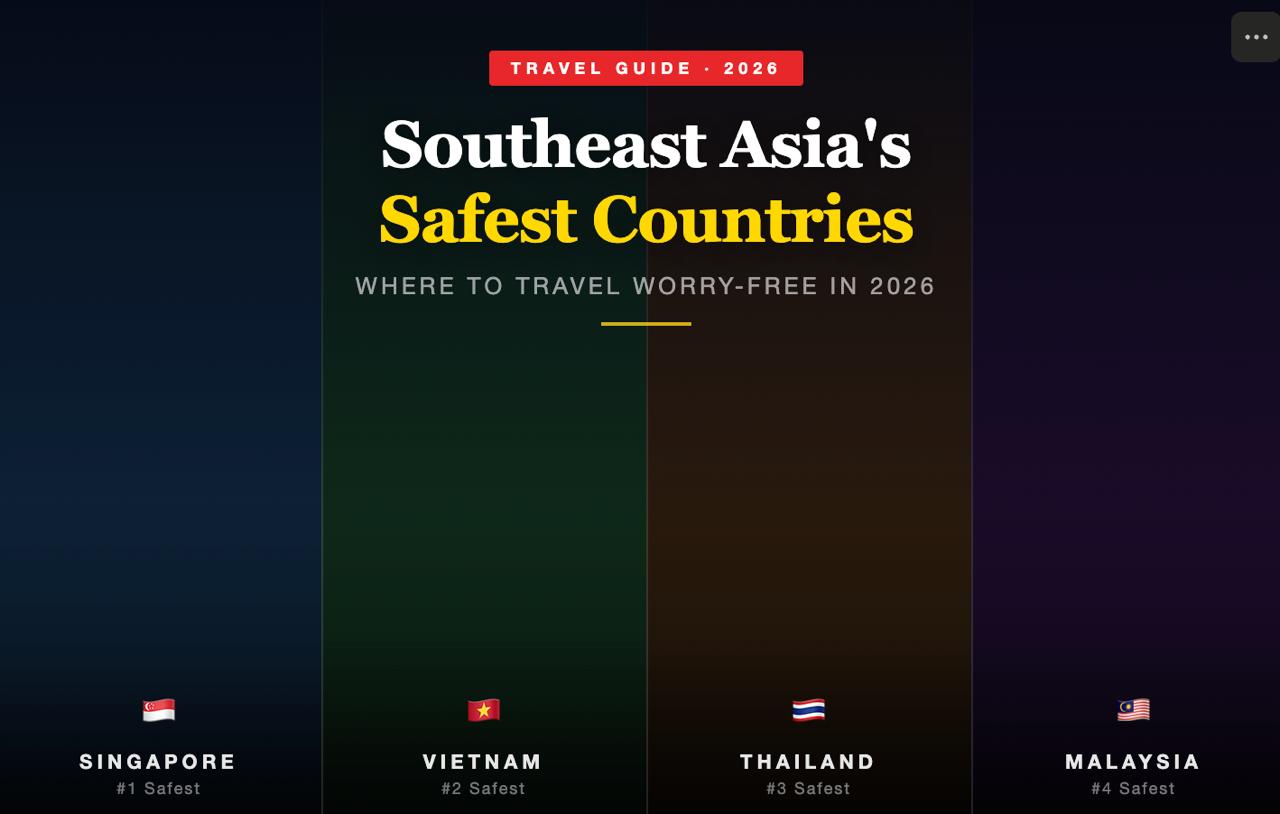
Southeast Asia, taken as a region, remains one of the safer parts of the world for solo women to travel — meaningfully safer than the US or much of Europe by violent-crime rates. That is still true in 2026, even with the headlines.
What's changed since 2024 is the texture of risk. The Thailand-Cambodia border has seen real fighting and a fragile ceasefire. Methanol-poisoned drinks killed six tourists in Vang Vieng, Laos. Cambodia's online-scam-compound industry has exploded into a documented human-trafficking crisis. Indonesia tightened entry rules and Bali rewrote its nightlife landscape. Singapore is executing more people for drug offences than it has in a decade.
None of that means "don't go." It means: pick your country and your behaviour with intention. Here's how I'd rank the eight, from "book it" to "go with a plan."
Tier 1 — Book it: Singapore, Vietnam, Malaysia (excluding Eastern Sabah) Tier 2 — Go, with normal precautions: Thailand (excluding the border zone and the deep south), Indonesia (Bali, Java, most of the archipelago), Philippines (Luzon and Visayas) Tier 3 — Go with a plan, or skip this trip: Laos, Cambodia, Mindanao region of the Philippines, Eastern Sabah maritime zone
Now the country-by-country.
Thailand — low risk in 99% of the country, with a hard-edged exception
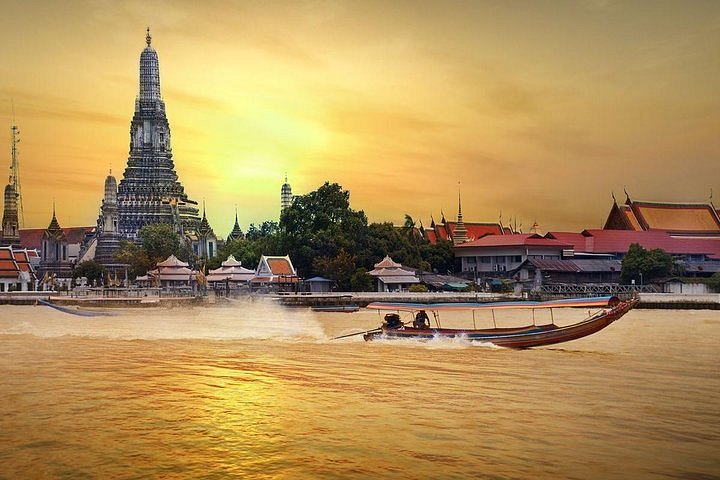
Verdict: Low risk for the Thailand most travellers actually visit. The US currently rates Thailand a Level 1 (Exercise Normal Precautions) — its lowest tier — for Bangkok, Chiang Mai, Phuket, Krabi, Koh Samui, Pai. That hasn't changed in 2026.
The exceptions matter. Do not travel within 50km of the Thai-Cambodian border. Thai and Cambodian forces fought live-fire engagements in July and December 2025; a January 2026 mortar incident in Ubon Ratchathani broke the ceasefire that had just been signed. As of this writing all land crossings between the two countries are closed. If your itinerary involved an overland border crossing from Aranyaprathet or Chong Chom — replan now. Fly Bangkok-Phnom Penh or Bangkok-Siem Reap instead. Also stay out of Yala, Pattani, Narathiwat, and parts of Songkhla in the deep south, where a low-grade insurgency has been simmering for two decades.
For solo women specifically: Thailand is a country where I move freely at night, take the metro alone in Bangkok, and have never felt physically threatened. The realistic risks are scams (jet-ski damage scams in Phuket and Pattaya, gem scams in Bangkok, tuk-tuk overcharging), drink-spiking at Full Moon-style parties on Koh Phangan, and motorbike accidents — which kill more travellers in Thailand than every other cause combined. Get a real motorbike licence at home, wear a real helmet, or take Grab.
If something goes wrong: Tourist Police hotline 1155 (English-speaking). US Embassy Bangkok +66 2 205 4000. Thailand's national women's hotline is 1300.
Indonesia — Bali is fine, the archipelago has caveats
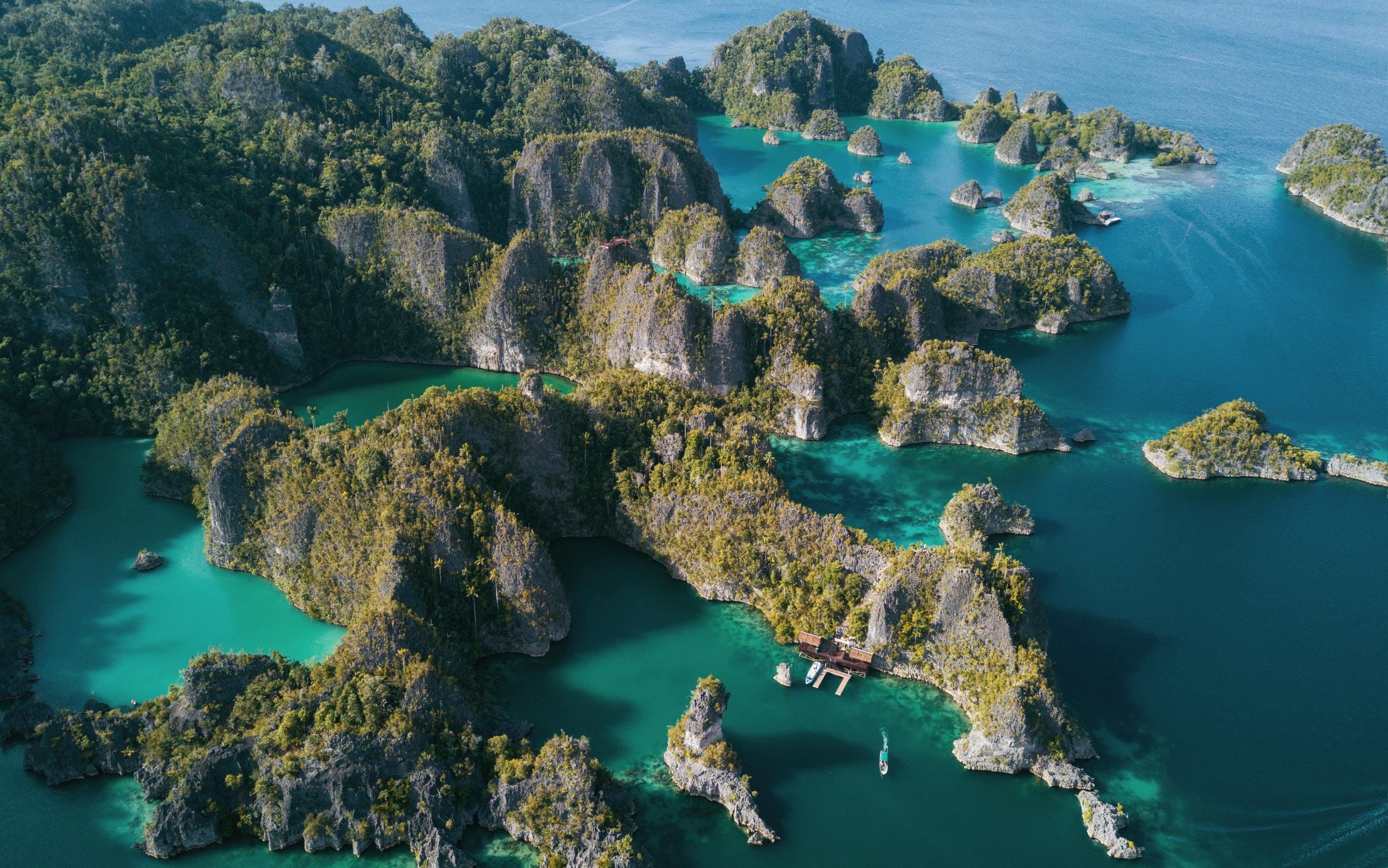
Verdict: Low risk in Bali, Java, Lombok proper, and the Gilis. Moderate in Sulawesi and Sumatra. Avoid Central Papua and Highland Papua entirely.
The US holds Indonesia at Level 2 (Exercise Increased Caution), and the headline reason is Papua, not Bali. Armed separatists in Central Papua and Highland Papua have kidnapped foreign nationals as recently as 2023 — a New Zealand pilot was held for nineteen months. If a tour operator pitches you a "Baliem Valley adventure," ask them specifically how they're managing the security situation, in writing. If they brush it off, walk away.
Bali in 2026 is changed but not unsafe. The mandatory IDR 150,000 (~USD 10) tourism levy is now collected at the airport or online via the Love Bali app. The All-Indonesia Declaration Form must be completed within 72 hours of arrival. Bali's police are aggressively enforcing the International Driving Permit rule on scooters — get one before you fly, or you will be ticketed. The Uluwatu nightlife scene has eclipsed Seminyak; Canggu's traffic is genuinely awful; the cliffside clubs operate later but the police presence around them has increased too.
For solo women specifically: Bali is the easiest "first solo trip" in Asia for a reason — there's a strong network of female travellers, female-run yoga studios and surf schools, and the Balinese Hindu culture is, in my experience, genuinely respectful toward women. Real risks: drink-spiking at Kuta and Canggu beach clubs (cover your glass, leave with the friend you came with), motorbike accidents, and the cliché-but-true issue of "Bali boyfriends" — local men who target Western women financially. None of this is unique to Bali, all of it is preventable.
Indonesia's drug laws will end your life. This is not an exaggeration. Two Australians were executed by firing squad in 2015 for trafficking. Possession alone can mean four years. Do not carry anything for anyone.
Volcanoes: Mount Dukono (North Maluku) has been in explosive eruption since March 2026 — keep 4km away. Check magma.esdm.go.id before any volcano trek.
If something goes wrong: Tourist Police 110. US Consulate Surabaya +62 31 297 5300, Embassy Jakarta +62 21 5083 1000. Indonesia's national women and child helpline is 129.
Malaysia — quietly one of the best in the region
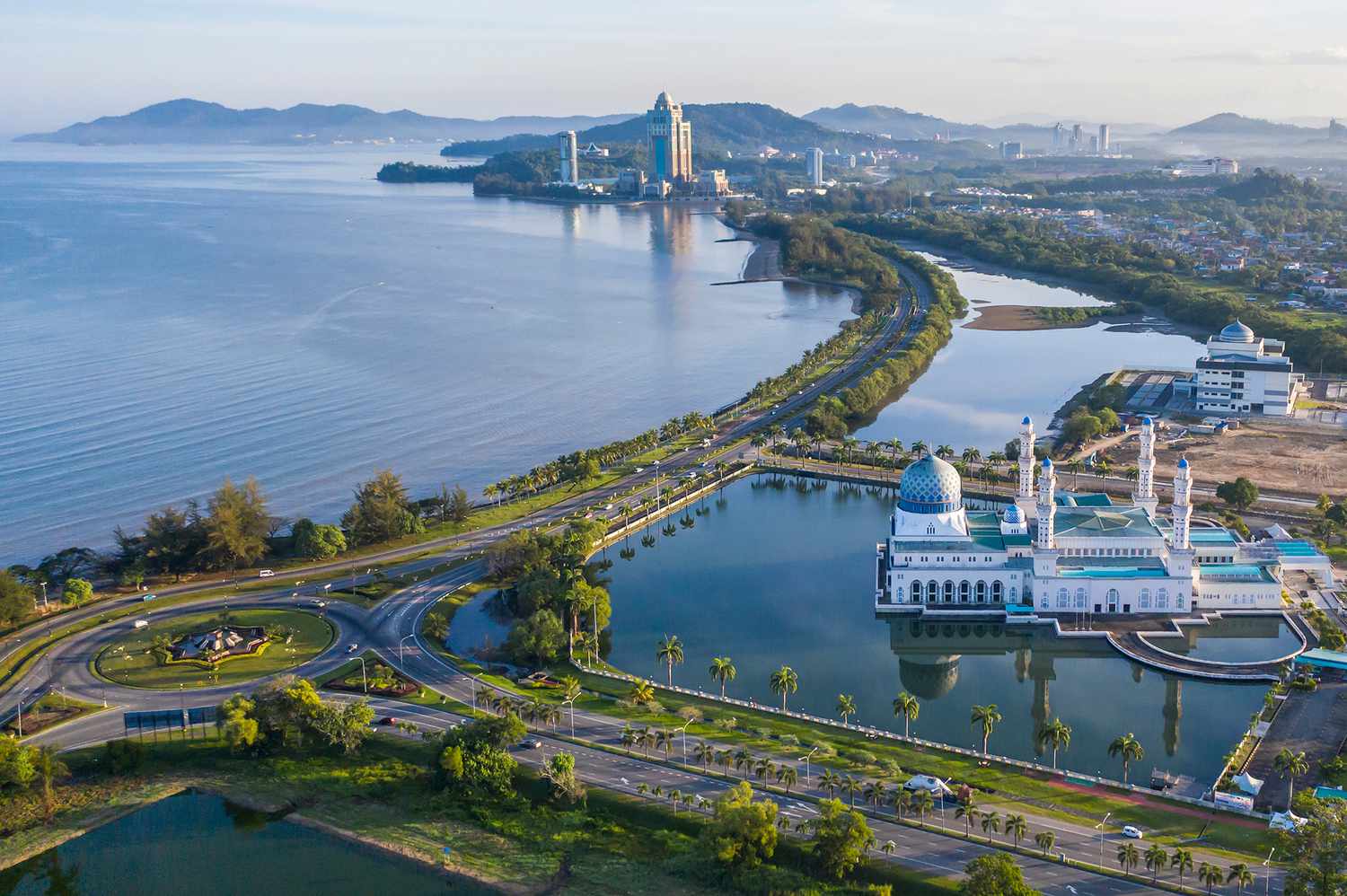
Verdict: Low risk on the peninsula (Kuala Lumpur, Penang, Langkawi, Melaka, Cameron Highlands), low risk in most of Sabah and Sarawak. Moderate-to-high in the maritime zone off Eastern Sabah.
The US upgraded Malaysia to Level 1 in February 2026. The one outstanding warning: islands and waters off Eastern Sabah, from Kudat down to Tawau, due to historical kidnap-for-ransom by Abu Sayyaf militants from the southern Philippines. The good news — Malaysia's Eastern Sabah Security Command reports zero kidnap-for-ransom incidents since January 2020. If you're diving Sipadan or Mabul, use a licensed operator with curfew compliance, and you'll be fine.
For solo women specifically: Malaysia is genuinely under-rated for solo female travel. It's a Muslim-majority country, which doesn't mean what the internet thinks it means — Kuala Lumpur and Penang are cosmopolitan, the food is unmatched, and women travel here unbothered. Dress modestly at mosques (KL Central Mosque, Penang's Kapitan Keling), wear what you want elsewhere. Penang's hostel scene around Georgetown has a strong solo-traveller community.
If something goes wrong: Emergency 999. Tourist Police +60 3 2149 6590. US Embassy Kuala Lumpur +60 3 2168 5000. Malaysia's Talian Kasih helpline (women and family) is 15999.
Singapore — the safest country in Southeast Asia, with sharp edges
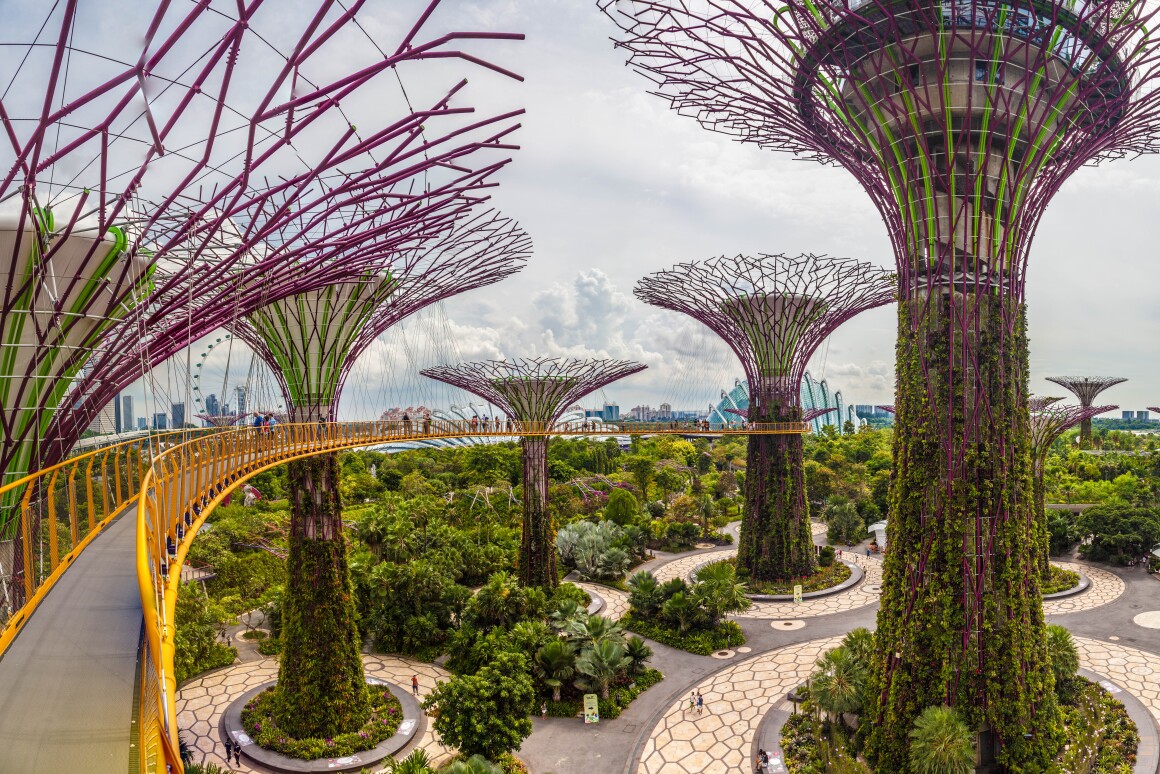
Verdict: Low risk. Singapore is structurally one of the safest cities on Earth. Walk anywhere, any time.
The sharp edge is the law. Singapore has executed eight people for drug offences in the first four months of 2026 — already exceeding half of 2025's total. The threshold for the death penalty is 500g of cannabis or 15g of heroin. Even consumption — including consumption that happened overseas, before you flew in — can be prosecuted if you test positive at the border. If you smoked in Thailand on Wednesday and fly into Changi on Friday, you can be charged. I am not exaggerating.
For solo women specifically: there's nothing to add. The metro runs late, the hawker centres are mixed and friendly, the streets are well-lit. It's also expensive — budget USD 120+ per night for a private hostel room, USD 25 a meal if you eat outside hawker centres.
If something goes wrong: Emergency 999. US Embassy +65 6476 9100. AWARE (women's helpline) +65 1800 777 5555.
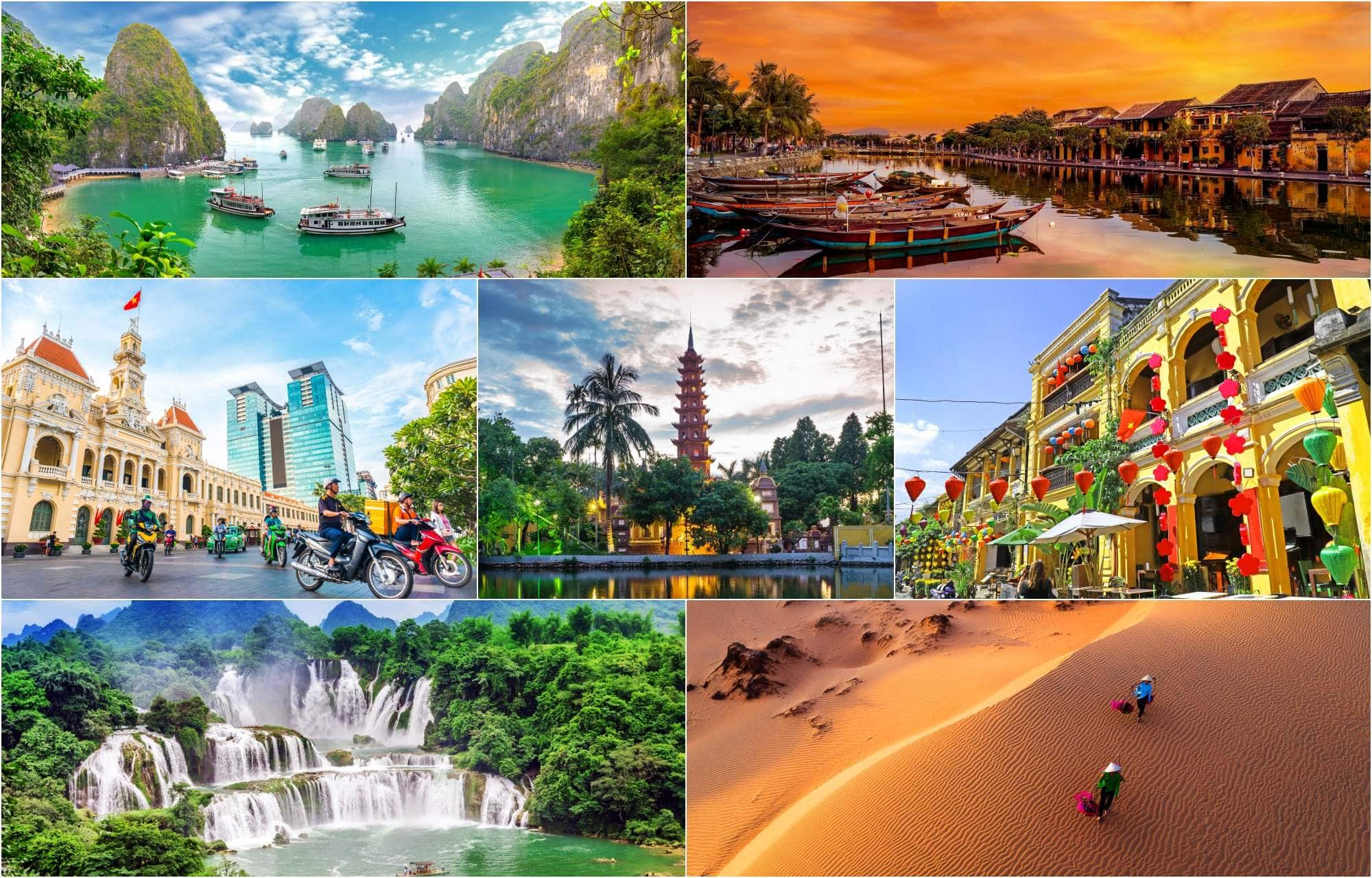
Vietnam — the rising star, with traffic
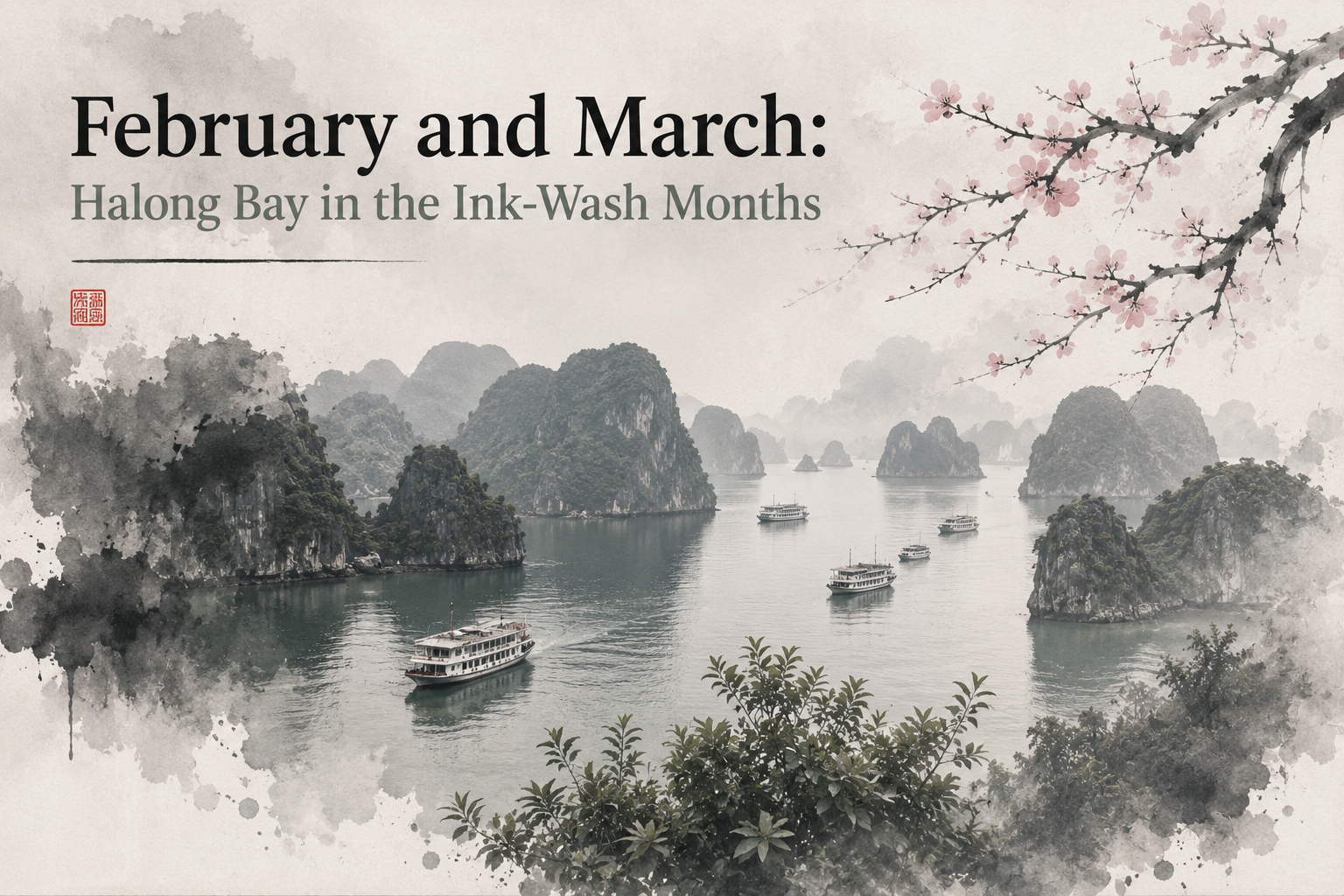
Verdict: Low risk. The UK FCDO and US State Department both rate Vietnam at the lowest tier. The 2026 solo-female-travel rankings I trust place Vietnam third worldwide for solo women, after Iceland and Japan.
UK and most EU passports get 45 days visa-free. From April 2026, Tan Son Nhat Airport (Ho Chi Minh City) "encourages" but does not yet require a digital arrival card — fill it in anyway, it skips a queue. The new e-visa system at evisa.gov.vn handles 80+ nationalities for stays up to 90 days.
For solo women specifically: the real risks in Vietnam are traffic and bag-snatching, not interpersonal threat. Cross roads slowly and steadily — walk, don't run, and the scooters will flow around you. Wear your bag across your body away from the road; phone-snatchings from passing motorbikes in HCMC's District 1 are common. Female-run tour operators like Sapa Sisters in the north (Hmong-women-led trekking out of Sapa) are some of the most respected community-tourism operators in the country.
If something goes wrong: Police 113. Tourist hotline +84 24 3942 3760. US Embassy Hanoi +84 24 3850 5000.
Philippines — depends entirely on which Philippines
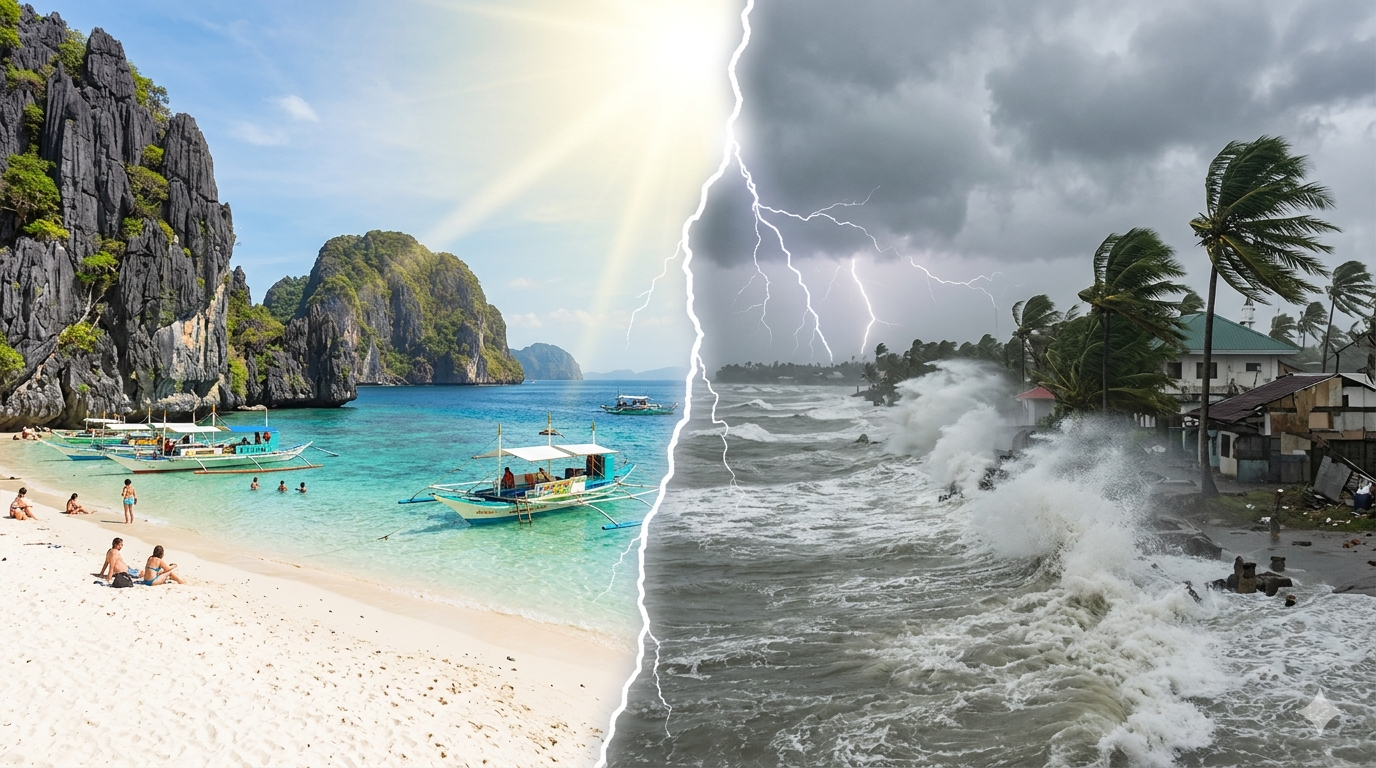
Verdict: Moderate-with-precautions in Luzon (Manila, Banaue) and the Visayas (Cebu, Bohol, Palawan, Siargao). Do not travel to the Sulu Archipelago, Marawi, or much of mainland Mindanao.
The US holds the Philippines at Level 2 with three Level 4 (Do Not Travel) carve-outs: Sulu Archipelago, Marawi City, and broader Mindanao for terrorism and kidnapping. Davao City, Siargao, and the Dinagat Islands have been carved back out as exceptions — they're considered safer than the rest of Mindanao.
For solo women specifically: Manila itself requires more situational awareness than any other SEA capital. Use Grab (never hail a taxi), avoid walking alone after dark in Malate, Ermita, or Quezon City, and don't flash devices on jeepneys. But Palawan, Siquijor, Siargao, and Bohol are some of the most spectacular and easy solo destinations in Asia. The Philippines is also the most English-fluent country in the region, which materially lowers the friction of asking for help.
Catholic, conservative undercurrent: harassment patterns are different here than in Buddhist Thailand or Hindu Bali — less ambient ogling, more concentrated incidents in nightlife zones. Boracay and Cebu City after midnight are where most reported incidents cluster.
If something goes wrong: Emergency 911. Tourist Police +63 2 8524 1660. US Embassy Manila +63 2 5301 2000. Philippine Commission on Women hotline 8-7351654.
Cambodia — the country I'm most conflicted about right now
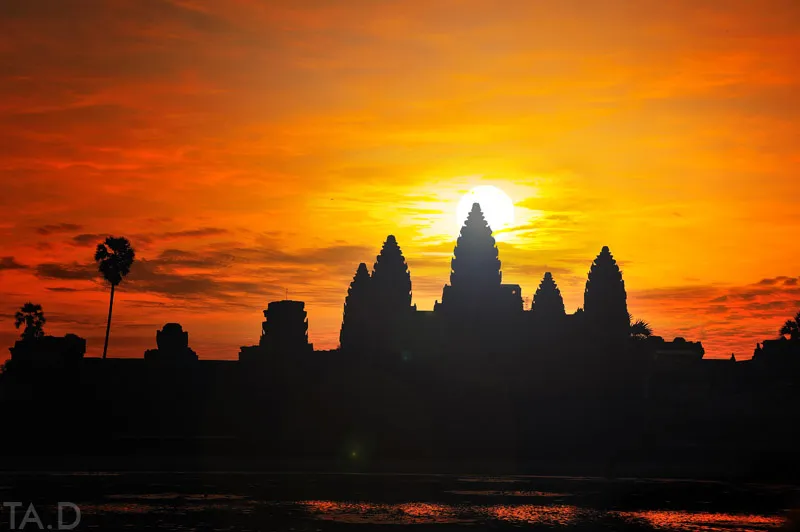
Verdict: Moderate risk in Phnom Penh and Siem Reap; high risk in Sihanoukville; tourists are not the primary target of the scam-compound crisis, but the country has lost something.
Cambodia is the SEA country I'd push hardest against in 2026 — not because it's dangerous to tourists in any acute way, but because the scam-compound industry that has metastasised in Sihanoukville, Bavet, and Poipet involves an estimated 100,000-150,000 trafficked workers, many held against their will. Amnesty identified 53 active compounds across 13 areas in June 2025. Cambodia passed its first comprehensive anti-scam law in April 2026, but enforcement is patchy. Tourists are not the targets — the targets are workers lured by fake job ads — but the social and rule-of-law degradation around these zones is real.
Practical implications: Siem Reap and Angkor Wat remain genuinely lovely and feel as safe as they did in 2019. Phnom Penh is fine with normal urban precautions. Skip Sihanoukville entirely unless you're transiting to Koh Rong — and if you are, fly in, transfer straight to the boat, and don't linger.
For solo women specifically: harassment is uncommon; petty theft and tuk-tuk overcharging are. The bigger ethical issue is voluntourism — Cambodia's orphanage industry is one of the most documented bad-actor zones in global volunteering. If you want to give back, give to ConCERT Cambodia or Friends International, both of whom vet placements rigorously. Don't visit an orphanage. Don't.
Border closure with Thailand: all land crossings are closed as of writing. Fly into Phnom Penh or Siem Reap from elsewhere.
If something goes wrong: Tourist Police 1275 (English). US Embassy Phnom Penh +855 23 728 000. Cambodia's women's helpline (Cambodian Women's Crisis Center) +855 23 997 967.
Laos — go, but the methanol thing is real
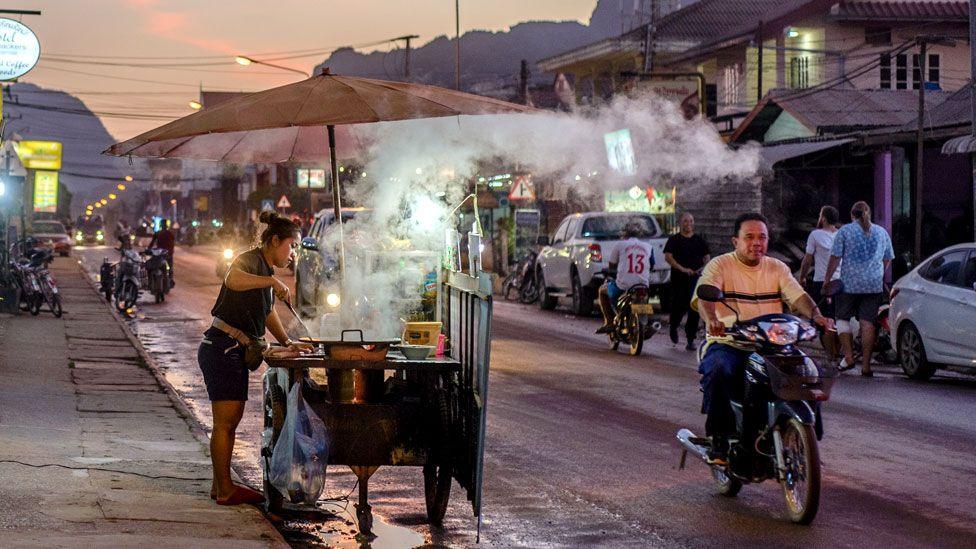
Verdict: Moderate with precautions. The November 2024 methanol-poisoning deaths in Vang Vieng — six tourists, including two Australian teenagers and two Danish women — were not freak incidents. Cases have been linked to drinks served at licensed bars and hotels.
The Lao PM ordered a tourism safety crackdown in early 2025; the implicated Nana Backpacker Hostel was closed and staff detained; Tiger Vodka and Tiger Whisky brands were specifically banned. But the underlying problem — counterfeit spirits in a poorly-regulated supply chain — has not been solved.
What to actually do: order beer (Beerlao is excellent and unlikely to be adulterated). Drink wine only from sealed bottles you watched opened. Avoid free welcome shots, mixed-drink buckets, and any spirit at hostels and backpacker bars. If you do drink spirits, stick to high-end hotel bars in Vientiane and Luang Prabang. Methanol poisoning's symptoms (vision changes, severe headache, confusion) can appear 12-24 hours after drinking — if you or anyone in your group experiences these, get to a hospital and say the word "methanol" out loud.
For solo women specifically: Laos is one of the gentlest countries in the region. Luang Prabang is small, walkable, and very safe. The 4000 Islands are mellow. Vang Vieng's tubing scene has been more regulated since 2012 but the partying culture remains the source of most incidents.
If something goes wrong: Tourist Police 1191. US Embassy Vientiane +856 21 487 000.
Where your money goes
Here are operators I trust, by country:
Thailand: Local Alike (community-based tourism, Bangkok HQ), Andaman Discoveries (south Andaman coast).
Indonesia: Five Pillar Experiences (Yogyakarta, women-led), Astungkara Way (Bali walking circuit through villages).
Vietnam: Sapa Sisters (Hmong-women-led, Sapa), Oxalis (Phong Nha caves, well-paid local guides).
Cambodia: ConCERT Cambodia for ethical volunteering vetting, Cambodian Living Arts in Phnom Penh.
Laos: Tiger Trail (Luang Prabang, fair-trade trekking).
Avoid: any operator selling elephant rides; any orphanage tour; any "tribal village visit" where you take photos and leave money with the operator, not the village.
The bottom line
I'd go. I'd go to seven of these eight countries this year without hesitation, and I'd go to the eighth (Cambodia) with a tighter itinerary that skips Sihanoukville. I'd skip the Thai-Cambodian land border, the Sulu Archipelago, Papua, and spirits at Lao hostels. I'd carry an unlocked phone with an eSIM, my embassy's number written on paper, a doorstop, and the boring confidence that comes from knowing the actual statistics rather than the headlines.
The internet wants you to be either terrified or oblivious. Southeast Asia in 2026 deserves neither. It deserves a traveller who has read the advisory, picked her country, packed her tampons (still hard to find outside major cities in much of the region — bring or use a cup), and bought the ticket.
Go. Tell me how it went.
Sources verified May 2026: US State Department travel advisories (travel.state.gov), UK FCDO (gov.uk/foreign-travel-advice), Australian Smartraveller (smartraveller.gov.au), Amnesty International Cambodia scam-compound report (June 2025), Indonesian Ministry of Energy volcano monitoring (magma.esdm.go.id).
Solo female traveler from Bangalore. Safety advocate, responsible tourism, women-run cooperatives — empowering, never alarmist.
✦ More from Priya Sharma


✦ Keep reading
More from this region


More in Destinations
✦ Discussion
Start the discussion
No replies yet — yours could be the first.