
Vaccinations for Southeast Asia: What You Actually Need
If you're planning a Southeast Asia trip — Vietnam and Cambodia, a Thailand beach run, an Indonesia loop — and you've started reading about vaccinations, you've probably also started feeling slightly alarmed. Online lists tend to throw a dozen disease names at you with no sense of which actually matter for the trip you're taking. I've travelled this region with my three kids for over a decade, and with my parents along for some of it, so I've sat in plenty of travel-clinic waiting rooms. This guide is the calm version: what's genuinely worth doing for a normal Vietnam-Cambodia-Thailand-Indonesia holiday, what's situational, and what most travellers can reasonably skip.
One thing I need to say clearly, and will repeat, because it matters more than anything else in this article: this is general information, not medical advice. Your vaccination plan depends on your exact itinerary, how long you're going, what you'll be doing, your age, your kids' ages, your health history and what you've had before. The only way to get a plan that fits your family is to see a travel clinic or your GP. Treat everything below as a way to walk into that appointment informed — not as a substitute for it.
Start here: book a travel clinic 6–8 weeks out
Before any disease names, the single most useful thing in this article is a date in your calendar.
Book a travel health appointment — a dedicated travel clinic or your GP — six to eight weeks before you fly. This isn't padding. Some vaccines need more than one dose spread weeks apart; some need a week or two after the final dose to give full protection. The Japanese encephalitis course, for example, is usually two injections 28 days apart, and the schedule should be finished at least a week before departure. Leave it too late and you simply can't complete the course in time, or you pay for it and travel before it's working.
If you're reading this and you fly in three weeks — don't despair, and don't skip the appointment. Travel clinics deal with last-minute travellers constantly and there are accelerated schedules for some vaccines. You'll just have fewer options, so go now rather than later.
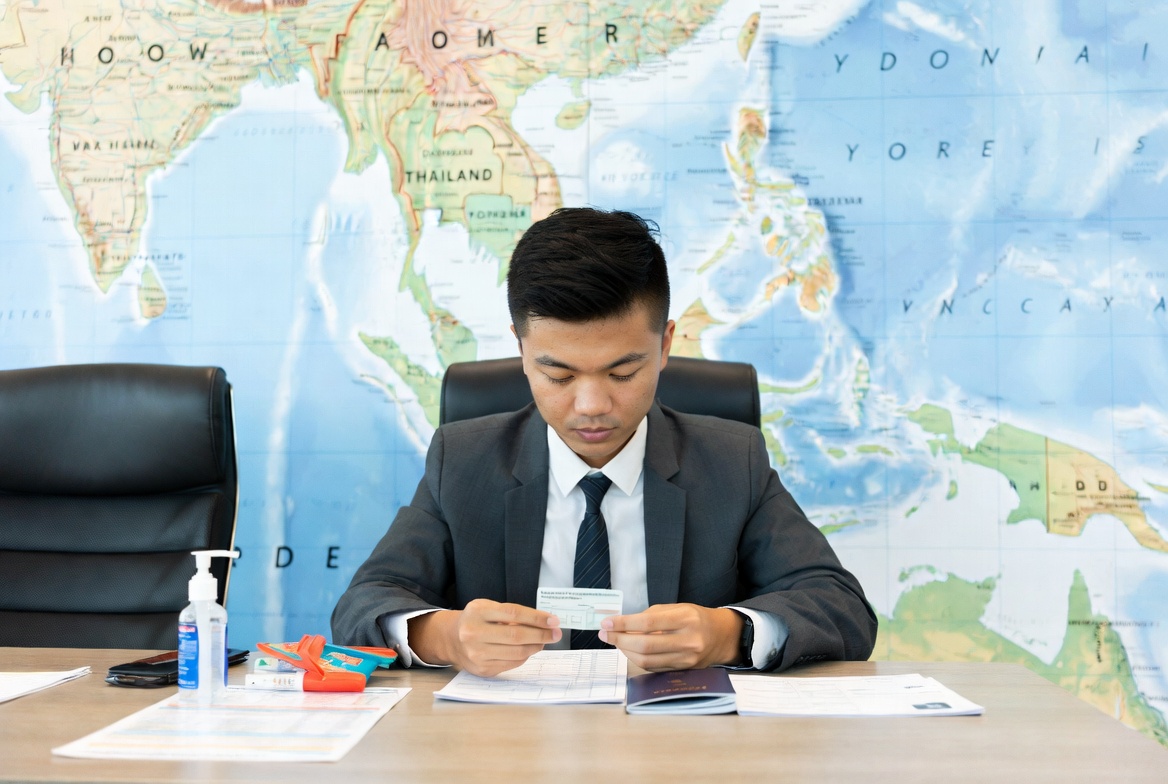
Bring your vaccination records, or your kids' child health record books, to the appointment. Half the job is working out what you've already had — many "travel" vaccines are ones you may be covered for already. That brings us to the most overlooked category.
Routine vaccines: the ones you probably already need anyway
Before anyone reaches for exotic-sounding travel jabs, the most important question is whether your routine vaccinations are up to date — for everyone in the family. Public health bodies including the CDC are consistent on this: being current on routine immunisations is the foundation, and gaps here are more common than people think.
Routine vaccines to confirm are up to date:
Measles, mumps and rubella (MMR) — measles still circulates in parts of Southeast Asia and outbreaks happen. This is the one I'd most want confirmed for kids before a trip.
Diphtheria, tetanus and pertussis (whooping cough) — usually a Tdap booster; tetanus cover matters anywhere you might get a cut or scrape, which with kids is everywhere.
Polio — boosters are recommended for travel to several Southeast Asian destinations.
Chickenpox (varicella) — if not had the disease or the vaccine.
Seasonal influenza, and COVID-19 as advised in your country.
For older travellers, shingles and pneumococcal vaccines as recommended at home — relevant if grandparents are joining the trip.
This is where the travel-clinic visit earns its fee even if you end up needing nothing exotic: an MMR gap or an overdue tetanus booster is genuinely worth catching, and it's easy to miss.
The two most travellers should plan for: hepatitis A and typhoid
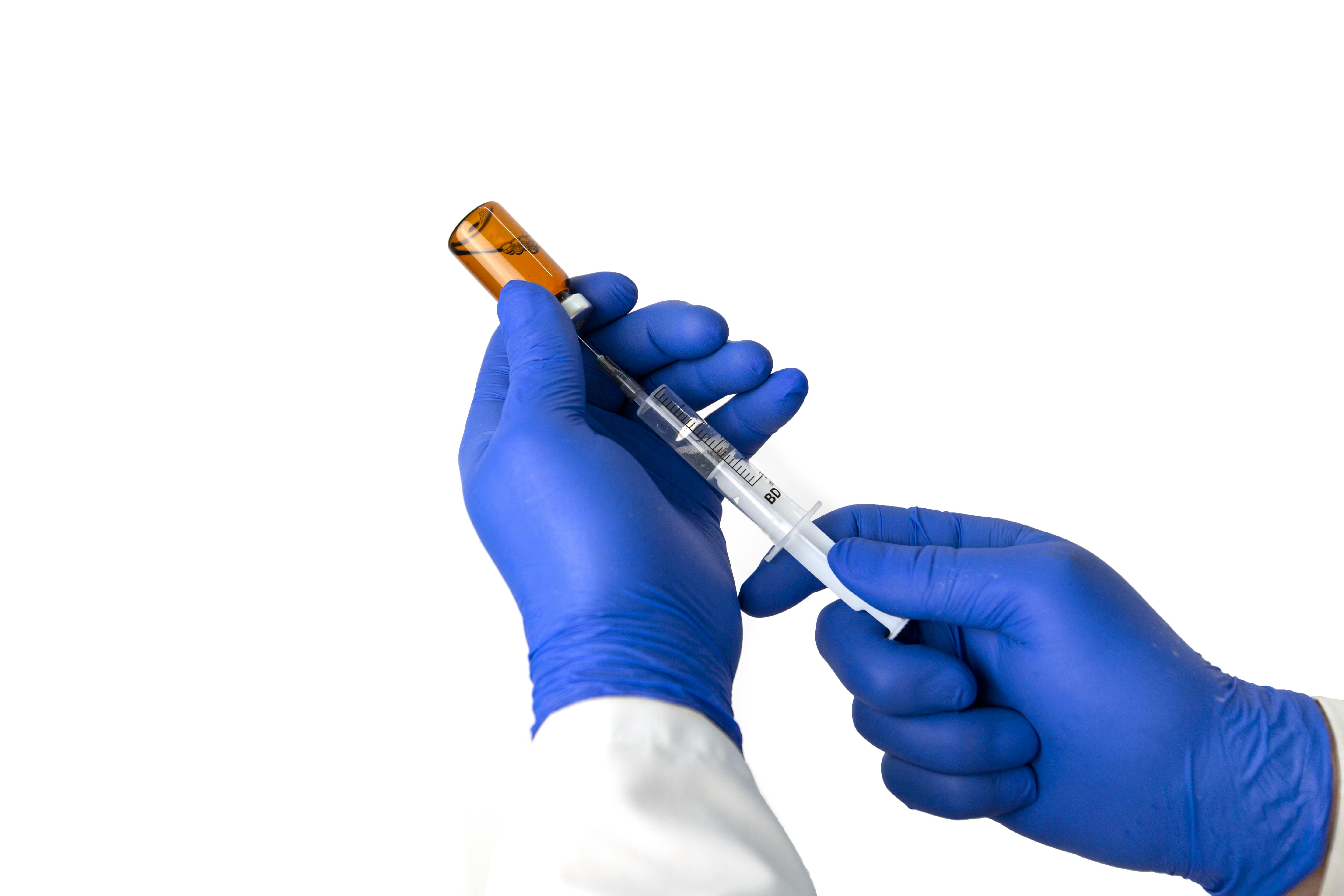
For a standard Vietnam, Cambodia, Thailand or Indonesia holiday, two vaccines come up again and again as commonly recommended, and for most travellers they're worth doing.
Hepatitis A is a virus spread through contaminated food and water. You don't have to be doing anything risky to be exposed — it's a food-and-water thing, and Southeast Asia's food is one of the great pleasures of travelling there, so you don't want to be eating nervously. Hepatitis A vaccine is widely recommended for travellers to the region, generally from one year of age. Protection is long-lasting, so it's a one-off worth having on your record for future trips too.
Typhoid is a bacterial infection, also spread through contaminated food and water. It's commonly recommended for Southeast Asia, and the recommendation gets stronger if you'll be visiting smaller towns and rural areas, staying with friends or relatives, eating widely at street stalls, or travelling for longer stretches. It comes as an injection or, for adults and older children, as an oral course.
Neither vaccine replaces sensible food and water habits — those still do most of the heavy lifting against traveller's diarrhoea, which no vaccine prevents — but together they cover the two infections most likely to genuinely derail a trip.
Situational vaccines: when they matter and when they don't
This is the category that generates the most anxiety, because the lists never tell you who actually needs these. They're called situational for a reason: whether you need them depends entirely on what your trip looks like. Discuss each with your travel clinic against your real itinerary.
Hepatitis B. Spread through blood and bodily fluids — so risk relates to medical or dental care abroad, and other exposures. Many people are already vaccinated, as it's part of routine childhood schedules in many countries now; children may well be covered. The CDC suggests it can be considered for travellers of any age to places like Vietnam. Check your records first; you may have nothing to do here.
Japanese encephalitis (JE). A mosquito-borne virus, mainly a rural risk linked to rice paddies and pig farming, with transmission peaking in the wet season. It is not a vaccine most short-stay city-and-resort travellers need. The vaccine is generally recommended for travellers spending a month or more in rural endemic areas during transmission season, and can be considered for shorter trips where the itinerary involves a lot of rural time and outdoor activity. A two-week trip taking in Hanoi, Ha Long Bay, Hoi An and a Bali resort almost certainly doesn't trigger it; a month cycling through rural Cambodia in the wet season might. It's a real decision to make with a clinician, not an automatic yes. (For families: the JE vaccine is licensed from two months of age, so it's available for children when genuinely indicated.)
Rabies. Present in dogs, monkeys and bats across Southeast Asia, and it's worth being clear-eyed here: rabies is effectively always fatal once symptoms appear, which is why it sounds frightening. But the pre-travel vaccine is situational. It's generally considered for longer trips, rural and remote travel, cycling and trekking, working with animals, or trips somewhere far from reliable medical care. For a lot of family travellers the more important point is the rule that doesn't depend on any vaccine at all: teach kids, firmly and repeatedly, not to touch or approach animals — not the cute temple monkeys, not the friendly-looking street dogs, not puppies, nothing. And know this: pre-exposure rabies vaccine does not mean you can skip treatment after a bite or scratch. Any possible rabies exposure — a bite, a scratch, a lick on broken skin — needs prompt medical attention and post-exposure treatment, vaccinated or not. The vaccine buys you time and simplifies that treatment; it never replaces it.
Cholera. A food-and-water infection. For most standard tourist itineraries it isn't recommended. It can be relevant for specific situations — certain longer or higher-risk trips, or aid and relief work. For the average family beach-and-temples holiday, it generally won't come up. Your clinic will tell you if your trip is an exception.
Malaria and dengue: the mosquito picture
These two get lumped together because both are mosquito-borne, but the practical advice for each is completely different — and getting that distinction right saves a lot of confusion.
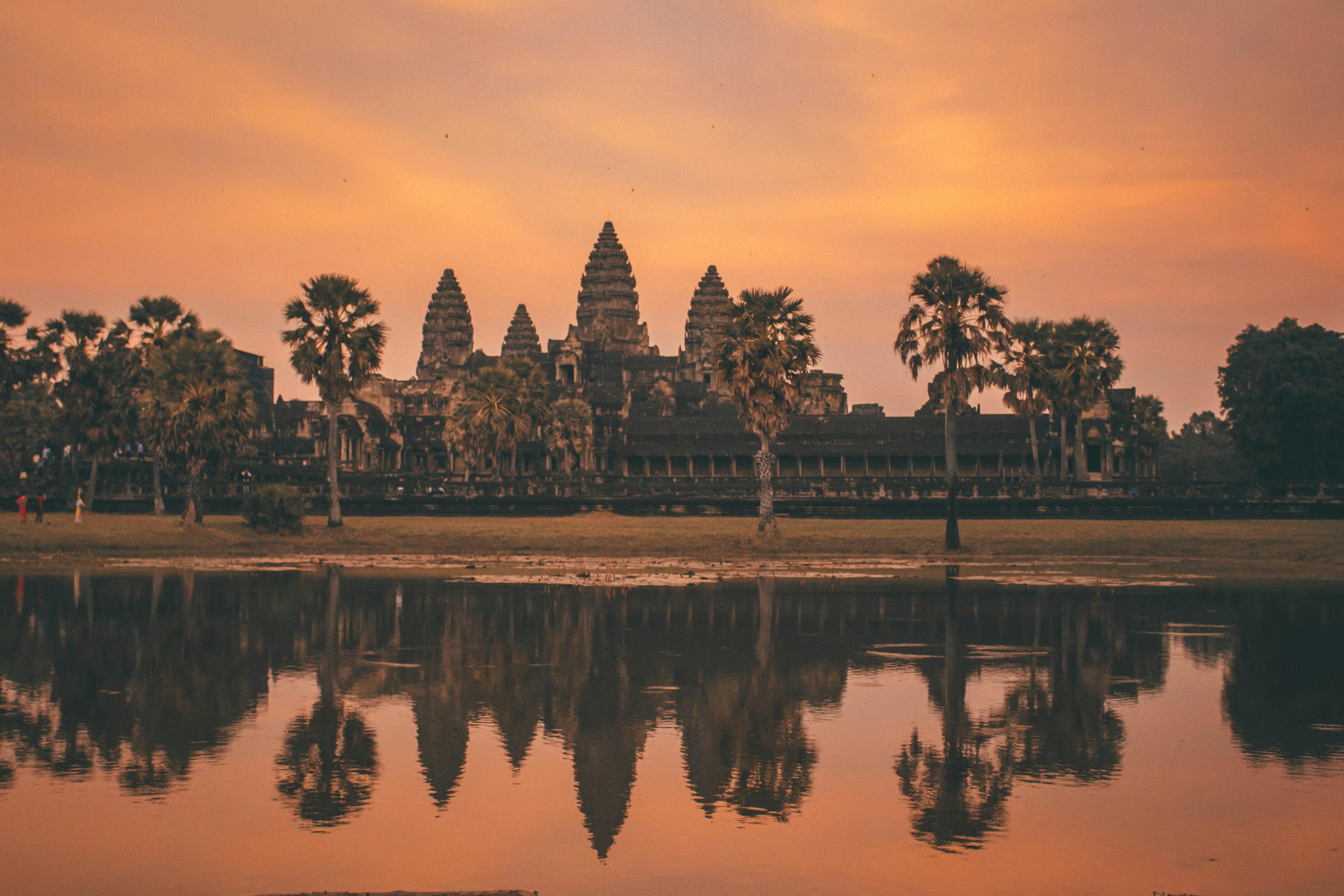
Malaria is largely a rural-and-border concern in Southeast Asia, and the encouraging news for most holidaymakers is that the big tourist destinations are low-to-no risk. There is no malaria risk in the main areas around Angkor Wat, Phnom Penh, Siem Reap town or Tonle Sap Lake. Vietnam's major cities and the standard tourist route are low risk; transmission is a rural matter, with only rare cases in the deltas. Bangkok, Chiang Mai, Phuket, Koh Samui and the main Thai resort areas are not malaria-risk areas. The risk lives in remote, forested and border regions — and there, antimalarial tablets (taken before, during and after travel, prescribed for your specific destination) may well be advised. The catch is that malaria risk and drug resistance vary not just by country but by province, and the picture shifts. This is precisely a question for a travel clinic with current data and your exact route — not something to settle from a blog, including this one.
Dengue is the one I'd actually have most front-of-mind for a typical Southeast Asia family trip, and here's the key fact: for most travellers, there is no practical vaccine you'll be reaching for. A dengue vaccine exists, but current guidance generally limits its use to people who have had a laboratory-confirmed dengue infection before — it's not a routine traveller's vaccine, and it isn't recommended for dengue-naive travellers. So your tool against dengue isn't a needle. It's bite avoidance, and it's worth doing properly because dengue is present year-round in much of the region, including in cities and tourist areas, and the mosquito that carries it bites during the day.
Bite avoidance, the version that actually works with kids:
Repellent that works — products containing DEET, picaridin or oil of lemon eucalyptus, applied to exposed skin, reapplied as directed. Use formulations and concentrations appropriate for children's ages; ask the clinic or pharmacist.
Cover up at dawn and dusk — and during the day for dengue — with lightweight long sleeves and trousers. Loose and light-coloured is more bearable for kids in the heat.
Air-conditioned or well-screened rooms, and a mosquito net over the bed where rooms aren't sealed. Kids actually quite like sleeping under a net once you frame it as a fort.
Treat clothing or gear with permethrin where appropriate — useful for more rural or outdoorsy itineraries.
Bite avoidance is doing double duty here: it's your primary defence against dengue and a meaningful layer against malaria and Japanese encephalitis too. It's the highest-value habit of the whole trip, and it doesn't require a prescription.
Yellow fever, kids, and other practical notes
A few loose ends that come up constantly.
Yellow fever. There is no yellow fever in Southeast Asia, and you do not need the vaccine to protect yourself there. The only reason it appears on the radar is the certificate requirement: countries including Cambodia require proof of yellow fever vaccination from travellers arriving from a country where yellow fever is a risk (parts of Africa and South America). If you're flying to Southeast Asia directly from the US, UK, Europe, Australia or Canada, this does not apply to you. If your itinerary routes through an at-risk country — even a layover can sometimes count — raise it with your travel clinic, because a missing certificate can mean being refused entry. For a straightforward Western-origin trip, you can set yellow fever aside.
Travelling with children. The principles are the same, but the details aren't — minimum ages, dose sizes and schedules differ for kids. Some vaccines are given at reduced doses for young children; some have age floors. This is exactly why a travel clinic that handles families is worth seeking out: they'll work from your children's actual ages and immunisation records and build a plan that fits. Don't try to scale adult advice down yourself.
Older travellers and multi-generation trips. If grandparents are coming, loop them into their own appointment. Some travel vaccines interact with existing conditions or medications, and routine cover (shingles, pneumococcal, boosters) is worth reviewing at the same time.
The unglamorous winners. No vaccine prevents traveller's diarrhoea, which is the single most likely thing to interrupt a Southeast Asia trip — so the boring habits still matter: safe water (bottled or filtered), being thoughtful about food, hand hygiene, and packing oral rehydration salts. Sun and heat manage more sick days than any exotic disease. And travel insurance that genuinely covers medical care and evacuation is non-negotiable — the good news is that Vietnam, Thailand, Cambodia and Indonesia all have solid private hospitals and clinics in the main tourist hubs, and a sick child can be seen quickly and well.
The bottom line
Here's the reassuring summary, and it's an honest one: Southeast Asia is a wonderful, well-trodden, family-friendly region to travel, and for most people the health preparation comes down to something modest. Get your routine vaccines up to date, plan on hepatitis A and typhoid for most trips, have a real conversation about the situational ones based on where you're actually going, and take bite avoidance seriously because that's your tool against dengue. Most tourist itineraries don't need malaria tablets; most don't need Japanese encephalitis; nobody flying from the West needs yellow fever.
But — and this is the part I'll end on as firmly as I started — none of that is a plan until a travel clinic or your GP has looked at your itinerary, your family and your records. Book that appointment six to eight weeks out. Walk in with this article's questions ready. Let a professional turn it into a plan you can trust, and then go and enjoy the trip.
Australian family-travel writer based in Brisbane. Mother of three. Family-friendly SE Asia, multi-gen trips, the boring practical bits.
✦ More from Emma Wilson


✦ Keep reading
More from this region


More in Trip Planning
✦ Discussion
Start the discussion
No replies yet — yours could be the first.