
Is It Safe to Travel to Vietnam Right Now? An Honest Take
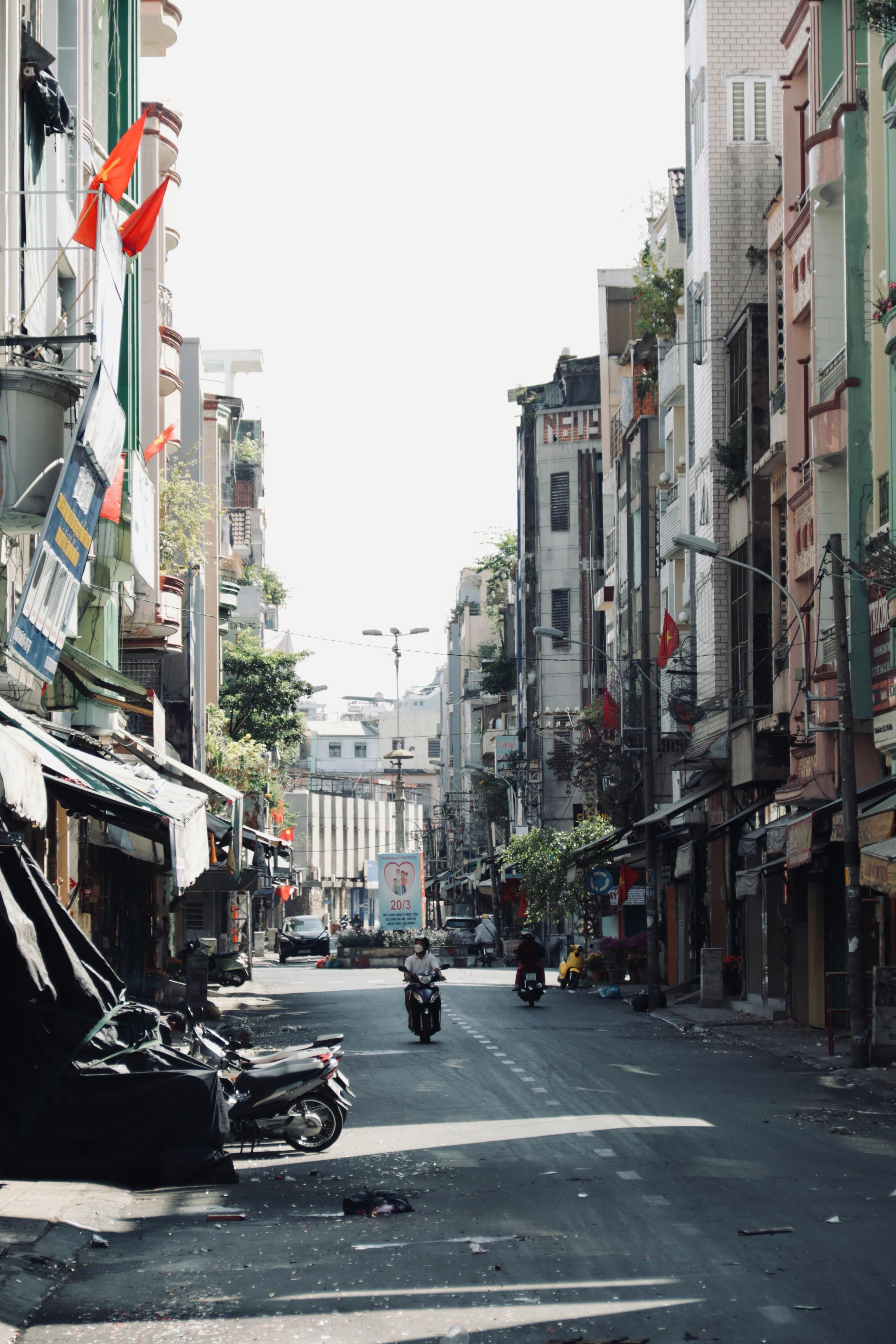
Short answer: yes. I'm typing this from a cà phê sữa đá in District 1 and the most dangerous thing that's happened to me this week was crossing Nguyen Hue on foot. Vietnam sits at the lowest rung of the US State Department's advisory scale — Level 1, "exercise normal precautions" — same as France or Japan. So why are you Googling this at 2am? Probably because you saw a headline about the heatwave, or the Nha Trang crash, and got spooked. Let me unspook you, and then tell you the stuff that actually matters.
So why is everyone asking this in late May?
Two things hit the news at once and the algorithm did the rest.
First, the heat. Northern and central Vietnam got cooked from May 22 to 27 — Hanoi's Lang station hit 41.1°C on the 26th, the city's second-hottest May reading ever. That's not "pack sunscreen" hot. That's "your phone overheats and shuts off in your pocket" hot. It broke records up and down the north, from Quang Ninh to Hue.
The good news: it broke. A cool air mass rolled down from China around the 28th and the north dropped back to 35–37°C. By the time you land it'll be ordinary Vietnamese summer — sweaty, not lethal. Central Vietnam cools slower, so give Hue and Da Nang another few days.
Second, a Russian tourist drove drunk and killed someone near April 2 Square in Nha Trang. Tragic, and it made international wires. But read what it actually is: a foreigner on a rented bike, hammered, with no business being on the road. Nha Trang police logged 123 traffic violations by foreign tourists in the first five months of 2026 — drink-driving, no license, no helmet. The crackdown that followed isn't aimed at you unless you're planning to be that guy.
Neither story is a reason to cancel. One's weather you plan around. The other's a cautionary tale about the single real risk in this country, which brings me to the part nobody puts in the headline.
The traffic is the actual danger. Full stop.
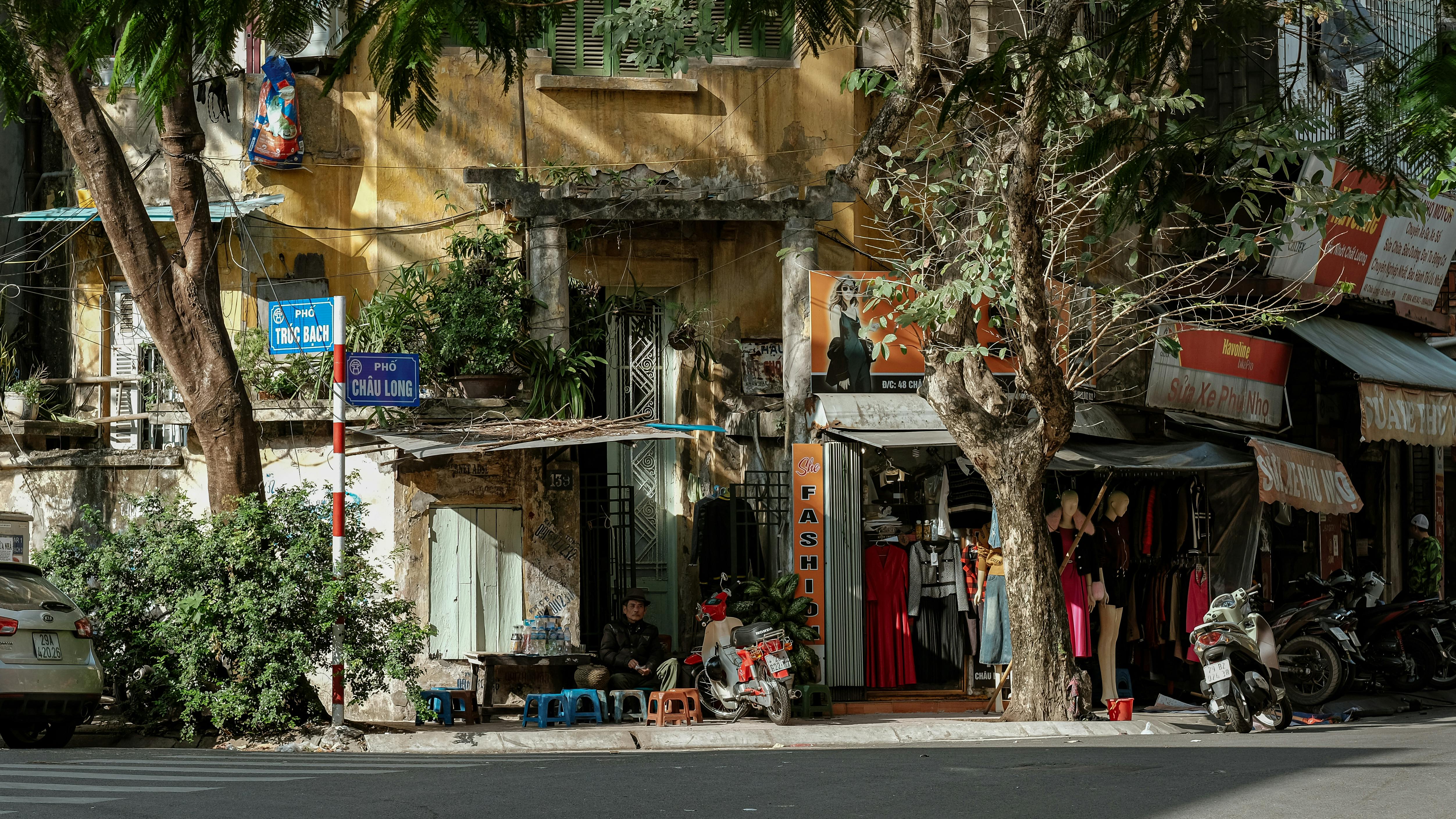
Forget kidnappers and muggers. The thing most likely to hurt you in Vietnam is a motorbike — yours or someone else's. Vietnam runs over 20 road deaths per 100,000 people a year. That's the stat that should make you sit up, not the crime rate.
Here's what they don't tell you: most injured backpackers I've met got hurt on a bike they rented on day two, on roads with rules they didn't understand. The traffic looks like chaos but it has a logic — everyone moves slow, predictable, and constant, and you merge into the flow like a fish, not against it. Tourists who treat it like Western traffic (stop-start, assert right of way) are the ones who go down.
If you've never ridden a scooter, Vietnam is not where you learn solo. Either skip the bike entirely (Grab and xe ôm exist everywhere) or take an actual lesson first. Wear the helmet — a real one, not the plastic salad bowl the rental shop hands you. And do not, ever, ride after drinking. The Nha Trang crash is what that looks like.
Crossing the street is its own skill. The move: walk slow and steady, no sudden moves, let the bikes flow around you. Sprinting or freezing is how you get clipped. I promise it works — a million Hanoians do it daily.
Crime: way less than your group chat thinks
Violent crime against tourists is genuinely rare here — we're talking incidents affecting a fraction of a percent of the 15.6 million people who visited in 2025. I've slept on overnight buses, walked Hanoi's Old Quarter at 3am, left my bag with a bánh mì lady to go find an ATM. Vietnam is, day to day, one of the safer places I've backpacked.
What you'll actually deal with is petty stuff. Bag-snatching from a passing motorbike is the classic, especially in Saigon's District 1 — phone out, filming a story, bike swoops, phone gone. Keep your phone in your hand only when you're using it, and stand away from the curb. Crossbody bag worn in front in crowds. Don't dangle anything off the back of a chair at a street stall.
That's the ceiling of it for most people. Not violence — opportunism. Treat it like any big city and you're fine.
The scams that get first-timers (and how to dodge them)
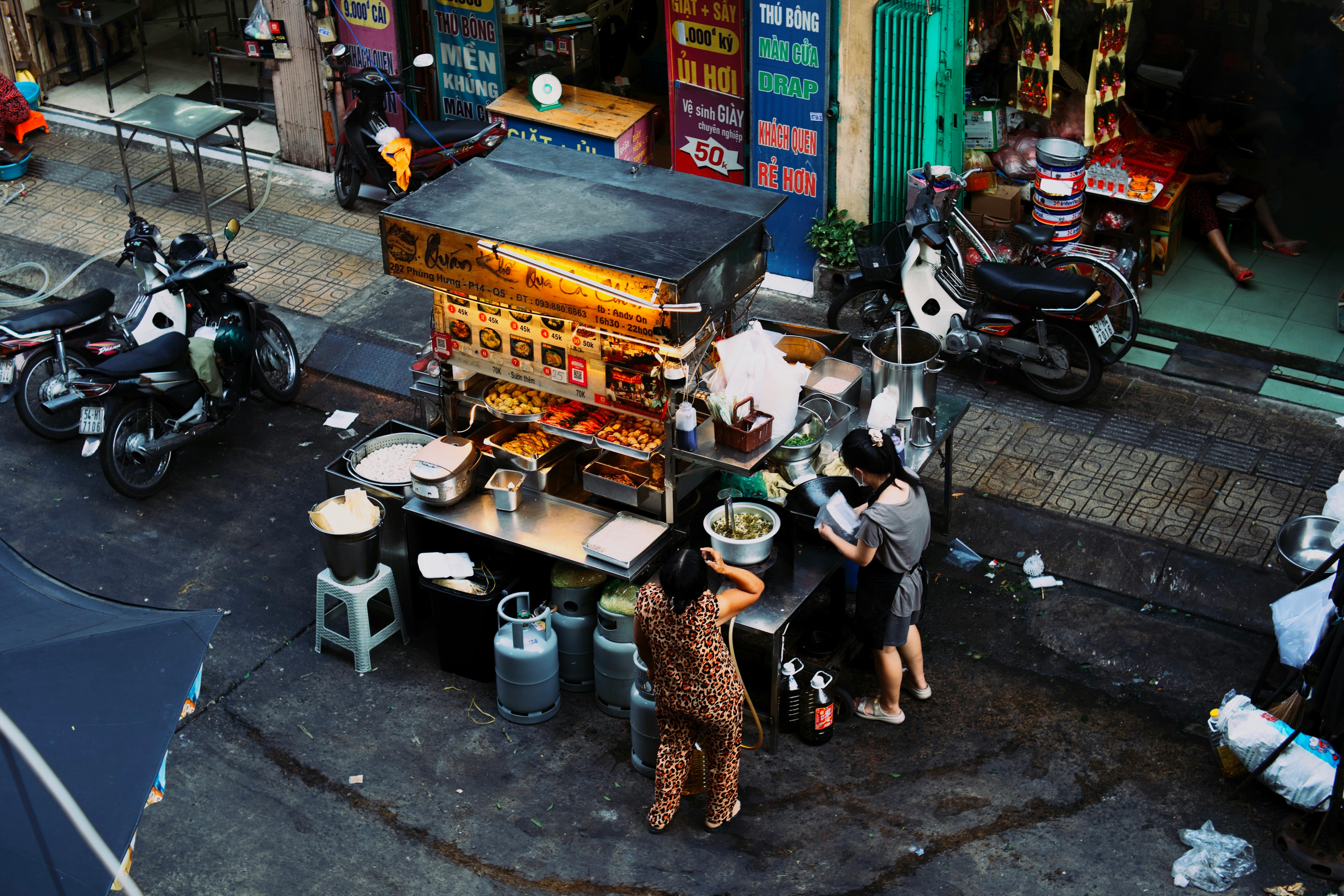
These won't hurt you. They'll just nibble your budget and your mood. Three to know:
The xe ôm price flip. Motorbike-taxi driver quotes you "fifty" outside Ben Thanh or near My Khe Beach, you hop on, and at the drop-off it's suddenly 150,000–300,000 đồng because the price was "per kilometre" or "per person." Drivers near the Dragon Bridge in Da Nang run this constantly. Fix: use Grab. Price locked in the app, no argument. At today's rate that's around 26,300 đồng to the dollar, so a fair cross-town Grab bike is maybe 30,000–50,000 đồng — about USD $1.50–2. Know the number before you ride.
The fake Grab driver. Someone flashes the Grab logo on their phone, confirms your destination, then "forgets" to start the app and charges you ten times the fare in cash at the end. Fix: only get on the bike whose plate matches your app. Check the plate. Every time.
The currency switch. This one's sneaky. The 500,000 đồng note and the 20,000 đồng note are both blue and look alike to a jet-lagged eye. You hand over a 500k, the vendor palms it and produces a 20k, says you underpaid. Fix: learn your notes on the flight in. The 500k is the big one with Ho Chi Minh on it; count out loud; pay with smaller bills when you can.
None of these are dangerous. They're a tax on not paying attention. Pay attention and you keep your money.
Weather and health — plan around these, don't fear them
The heat is real and it's only going to come back. El Niño is strengthening, so expect more 38–41°C spikes between June and August, mostly up north. If you're heat-sensitive, weight your trip toward the coast and the highlands — Da Lat stays cool, the beaches catch a breeze — and treat midday as nap-and-aircon time, not temple-walking time. Locals do. There's a reason the cà phê culture peaks in the late afternoon.
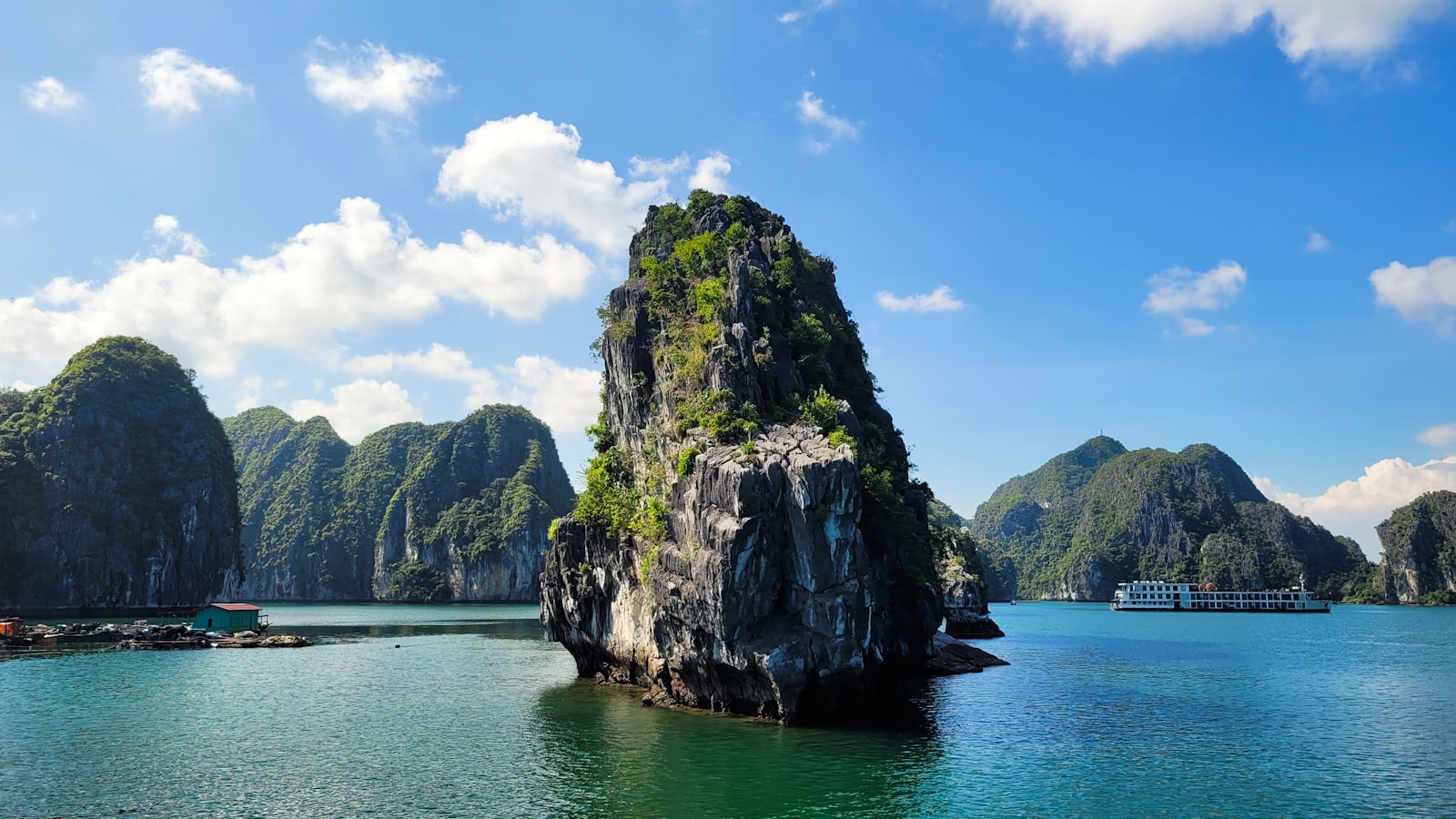
Then there's the rainy season, June through November, which can bring typhoons, flooding and the odd mudslide depending on region. The forecasters peg the first big storm for late June this year, with the worst usually August to October. It doesn't ruin a trip — it just means you build in slack and don't book a non-refundable Ha Long Bay cruise three weeks out.
Health-wise, the one to actually respect is dengue. It's mosquito-borne, there's no easy vaccine for travelers, and Vietnam runs real numbers — 184,903 cases in 2025 — with Ho Chi Minh City spiking into early 2026. It tracks the rainy season, May to October, urban and rural both. There's no drama here, just discipline: repellent with 20–30% DEET or picaridin, cover up at dawn and dusk when the mosquitoes hunt. Air quality's the other one — Hanoi's PM2.5 spikes ugly on bad days, so if you've got asthma, pack your inhaler and check an AQI app before you plan a big outdoor day.
And get travel insurance with medical evacuation. Not because Vietnam is dangerous — because rural clinics are thin on supplies, and if you do bin a scooter three hours from a real hospital, that's the line item that saves you.
Solo, female, first-timer — does it change?
Not much, honestly. Vietnam is a comfortable solo-travel country and a very comfortable solo-female one by regional standards. The hassles women report are the universal ones — occasional unwanted attention, a pushier vendor — not anything Vietnam-specific or sinister. Same playbook as anyone: trust your gut, share your bus bookings with someone back home, don't get blackout drunk with strangers you met an hour ago.
First-timers, your only real disadvantage is that you look like one, and that's what the scammers read. Walk like you know where you're going even when you don't. Have the Grab app, a couple of dish names, and a rough idea of what things cost, and you've erased 90% of the "tourist tax" before you've left the airport.
The verdict: book it
Vietnam right now is safe. Not "safe-ish," not "safe if you're careful to the point of paranoia" — genuinely safe, top-tier on every official advisory, and one of the friendliest countries I've ever moved through.
The heatwave that scared you has already broken. The crash that made the news was a drunk foreigner, not a trend. The things that'll actually go sideways on you are mundane: a scooter you're not ready to ride, a scam that costs you five bucks, a mosquito, a heat headache because you tried to do Angkor-energy sightseeing at noon in May.
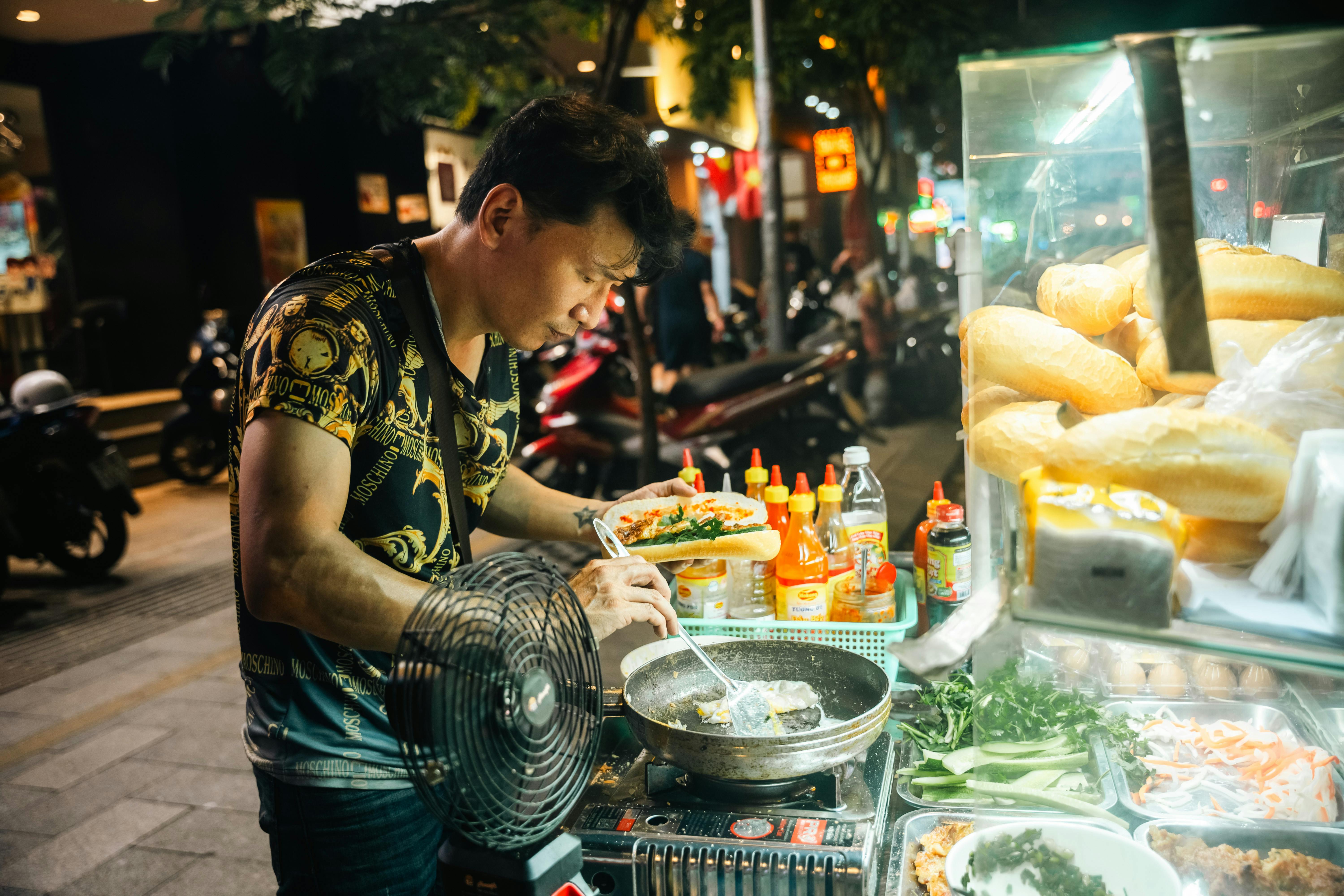
So here's what I'd actually do: come. Use Grab. Check the plate. Learn your blue notes. Skip the bike unless you can ride. Drink water like it's your job. Get the insurance. Then forget all of it and go eat an absolute unit of a bún chả in Hanoi, because that's the real reason you booked, and the safety question was never the thing standing in your way.
Vietnamese backpacker, 5 years zigzagging across SE Asia on a shoestring. Budget travel, street food, hidden gems — the honest version.
✦ More from Alex Nguyen


✦ Keep reading
More from this region


More in Destinations
✦ Discussion
Start the discussion
No replies yet — yours could be the first.