
How Long Can You Stay in Myanmar? Entry and Visa Rules in 2026
If you're reading this, you've probably already asked the bigger question — should I go to Myanmar right now — and landed somewhere that says "maybe, carefully." This piece is the logistics companion to that decision: how the visa actually works in 2026, how long it lets you stay, and the small print that trips people up. I'll keep the safety discussion brief here because we've covered it properly elsewhere (our piece "Is Myanmar Safe to Visit in 2026?" goes deep). But I won't pretend the two are separable. A visa being purchasable online does not mean the trip is simple. So let's do the paperwork honestly.
The honest answer
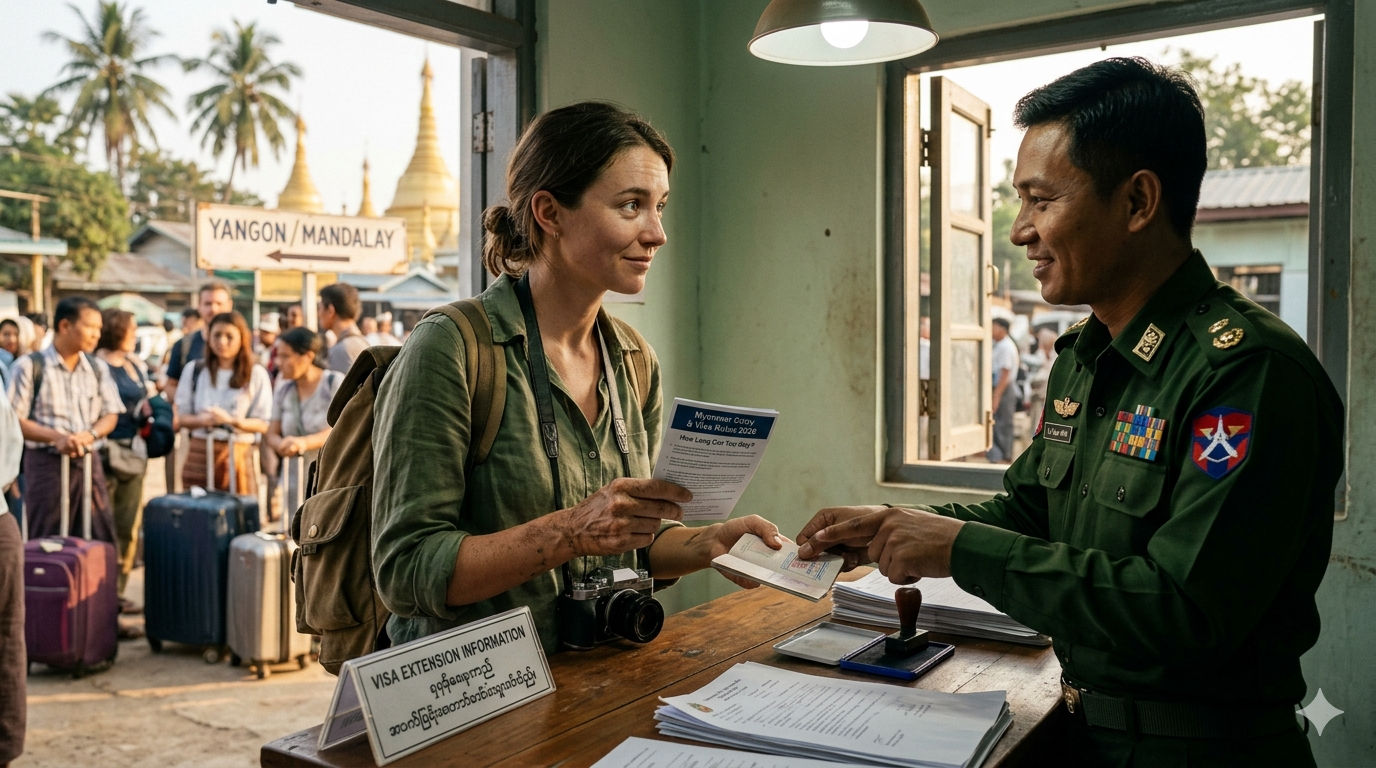
A standard tourist e-Visa lets you stay in Myanmar for up to 28 consecutive days. Not 30, not "a month-ish" — 28. That number has been stable for years and it has not changed in 2026. The e-Visa itself is valid for 90 days from the date it's issued, which is the window inside which you must enter the country. Once you cross the border, your 28-day clock starts and runs continuously, whether you're moving or sitting still in a Yangon guesthouse.
There is no tourist-visa extension. I want to be blunt about that because it's the single most common mistake I see: travelers assume Myanmar works like Thailand or Cambodia, where you can pop into an immigration office and buy yourself another stretch. You can't. The tourist e-Visa is single-entry, 28 days, full stop. If you need longer, you leave and the trip is over — or you overstay and pay at the airport (more on that below).
Here's the part I won't soft-pedal. Every major Western government — the US, UK, Australia, Canada and most EU states — currently has Myanmar at its highest advisory tier, "Do Not Travel." That advisory exists alongside a functioning e-Visa system. Both things are true at once. The e-Visa portal processes your application; the State Department tells you not to use it. If you go, you go as an informed adult who has read the safety piece, understood that travel insurance is unlikely to cover you against an advisory, and decided the trip is worth it anyway. This article assumes you've done that thinking. It doesn't make the decision for you.
What to know before you go
The official channel is the Myanmar e-Visa portal at evisa.moip.gov.mm — run by the Ministry of Immigration and Population. That is the only site I'd use. The web is thick with lookalike "visa service" domains that charge a markup of $30–$80 to fill in the same form you can complete yourself. Some are simply middlemen; some are worse. Go direct.
The tourist e-Visa costs approximately USD $50, paid by card at the time of application, and it is non-refundable — including if you apply and then decide not to travel, or if your circumstances change. Processing is officially around three working days, but in 2026 I'd give it more room: apply at least two weeks before you fly, longer if you can.
What you need to have ready:
A passport valid for at least six months beyond your date of arrival, with blank pages.
A recent passport-style photo in digital form for the upload.
Proof of onward or return travel. This is a real requirement, not a theoretical one — e-Visa holders are expected to have a confirmed ticket out, and it can be checked at the airport.
Confirmation of accommodation — a hotel booking for at least your first nights.
Evidence of sufficient funds for your stay.
On eligibility: citizens of the US, UK, EU member states, Australia and Canada are all currently eligible for the tourist e-Visa. There is no nationality-based bar on the passports most of our readers carry. But "eligible" is a moving target in Myanmar more than almost anywhere else in the region — issuance has been disrupted before — so the rule that matters is this: confirm e-Visa issuance is open on the official portal before you book a single flight. Don't buy the ticket and then apply.
One requirement that has nothing to do with your visa but everything to do with whether you can leave: the military regime introduced a conscription law in 2024, and it has, in practice, prevented some people it considers conscription-eligible from departing the country. This is overwhelmingly a risk for Myanmar-born travelers, including dual nationals and Myanmar-born citizens of Western countries — not for someone with no Myanmar heritage. If that describes you or someone you're planning with, treat it as a serious, specific issue and get individual advice from your own foreign ministry before going. It is not paranoia; it is documented.
Getting around safely
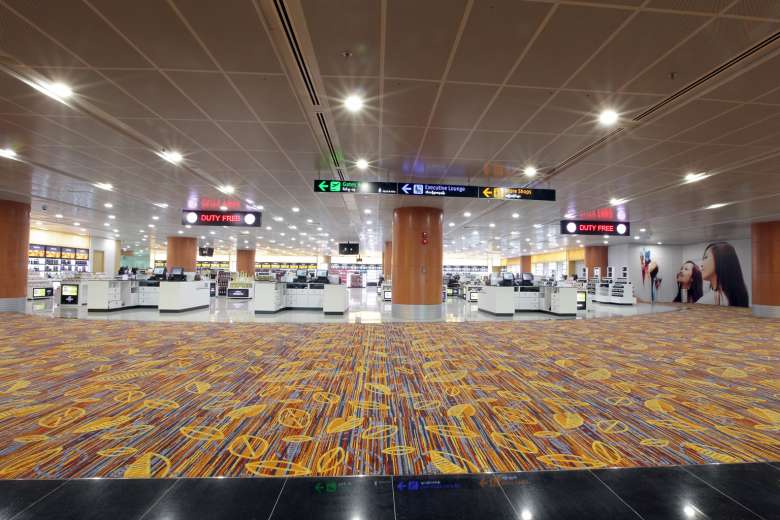
The e-Visa is only valid for entry at specific, designated ports — and arriving at the wrong one means being turned away. As of 2026 the approved e-Visa entry points are:
Yangon International Airport
Mandalay International Airport
Nay Pyi Taw International Airport
Kawthaung land border checkpoint (the crossing from Ranong, Thailand)
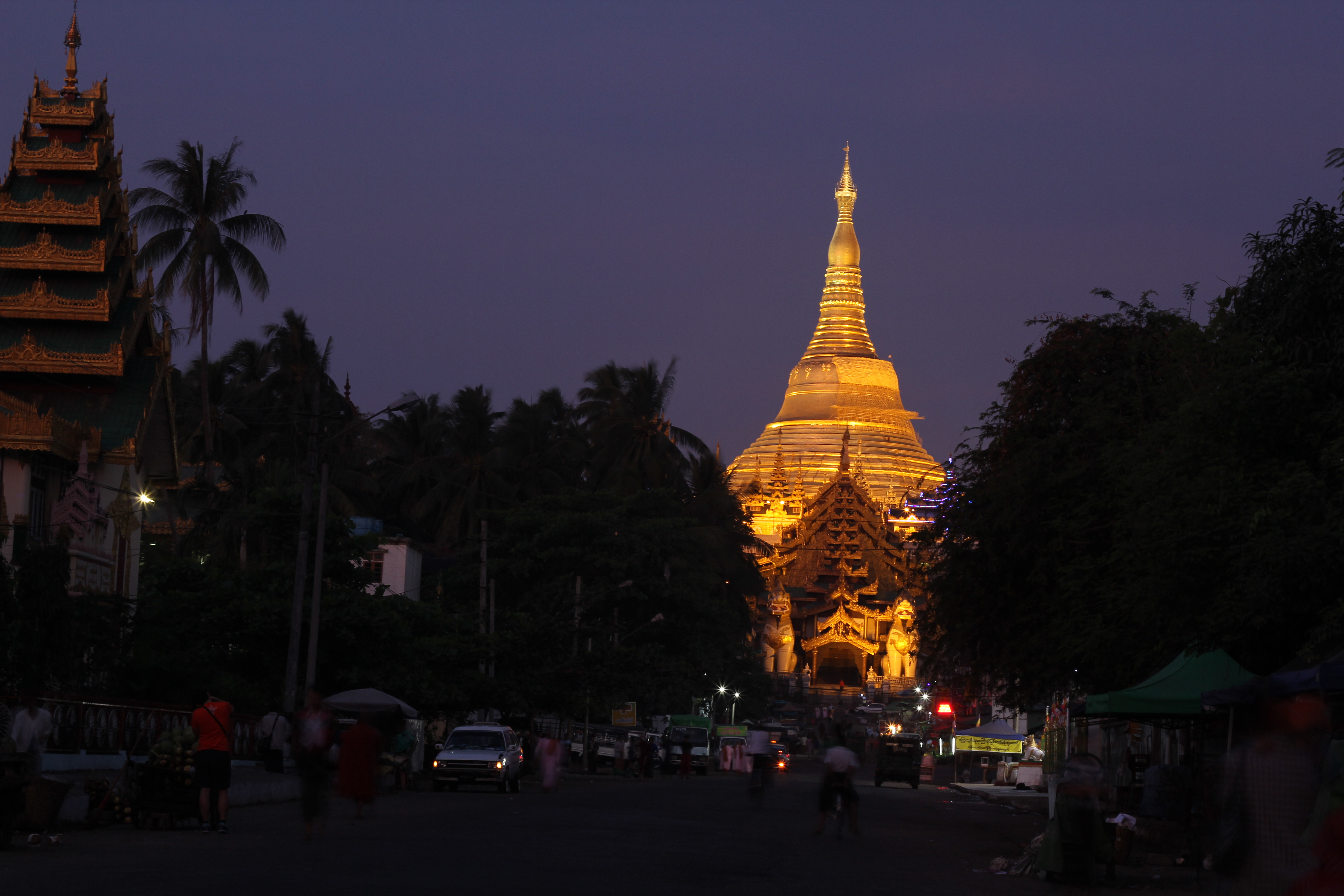
For most travelers that means flying into Yangon or Mandalay. The overland borders that backpackers once used freely — the Thai crossings at Mae Sot/Myawaddy, Mae Sai/Tachileik, and others — are not reliably open for e-Visa tourist entry, and several sit in or near active conflict zones. I would not plan a trip around an overland crossing in 2026. If your itinerary depends on entering or exiting by land anywhere other than Kawthaung, that itinerary needs rethinking.
Inside the country, your visa governs time, but conflict governs space. Large parts of Myanmar are effectively closed to travel regardless of what your e-Visa permits — not because immigration says so, but because the security situation does, and because reaching them safely is not possible. Domestic flights are subject to disruption. None of this is a paperwork problem you can solve at a desk; it's why we keep pointing you back to the safety article. Your 28 days are real, but they may be 28 days across a much smaller, more central footprint than a 2015 guidebook suggests.
Where to stay
Two visa-shaped things worth knowing about accommodation.
First, your e-Visa application asks for a hotel booking, and you should have a genuine one — confirmed, in your name, for your arrival. Myanmar's tourism economy is fragile and the licensed-hotel landscape has shifted; book somewhere that actually exists and is currently operating, not a dormant listing.
Second, and more practically: registered accommodation will not check you in once your visa has expired. Hotels and licensed guesthouses are obligated to report foreign guests, and an expired visa makes you a problem they won't take on. This is the mechanism that turns an overstay from "a small fine" into "stranded with nowhere legal to sleep." It's a strong reason to count your days carefully and build in a buffer — fly out on day 26 or 27, not day 28.
I'd also flag, gently, that where your money lands matters more than usual here. A lot of Myanmar's larger hotels have ownership ties you may not want to fund. There's a fuller discussion of that below.
If something goes wrong
Overstaying is the issue most travelers will actually brush up against, usually by accident — a cancelled domestic flight, a missed connection. The penalty is a per-day fine paid in cash at the airport when you leave: roughly USD $3 per day for a short overstay, rising to about USD $5 per day beyond a longer threshold. A two- or three-day slip is an annoyance and a small bill. But a long overstay can also trigger an entry ban, and — as above — it cuts off your legal accommodation in the meantime. Don't treat the fine as a casual extension fee. It isn't one.
If you lose your passport, or face anything more serious, consular help is genuinely limited in Myanmar and you should not assume it works the way it would elsewhere. The US Embassy in Yangon (110 University Avenue, Kamayut Township) and the British Embassy in Yangon (80 Strand Road) are your points of contact for citizens of those countries; Australian and Canadian travelers should locate their nearest mission and register their trip with their foreign ministry before arrival — Australia's Smartraveller and Canada's Registration of Canadians Abroad both let you do this in minutes. Embassies have, in past episodes, been unable to reach detained foreign nationals. Knowing your embassy's number is sensible. Assuming it's a safety net is not.
Carry a paper copy of your e-Visa approval and your passport photo page, kept separately from the originals. Phone-and-internet access in Myanmar is unreliable and at times restricted; a printout is not old-fashioned, it's the version that works when the network doesn't.
Where your money goes
This is the part of a Myanmar visa article that most sites skip, and I won't. Entering Myanmar as a tourist is not a neutral act. A meaningful share of the formal tourism economy — some large hotels, some airlines, some package operators — runs through entities connected to the military. Your $50 visa fee goes to a government most of our readers' own governments do not recognise as legitimate. None of that means a traveler can't go in a way that does more good than harm. It means you have to be deliberate about it.
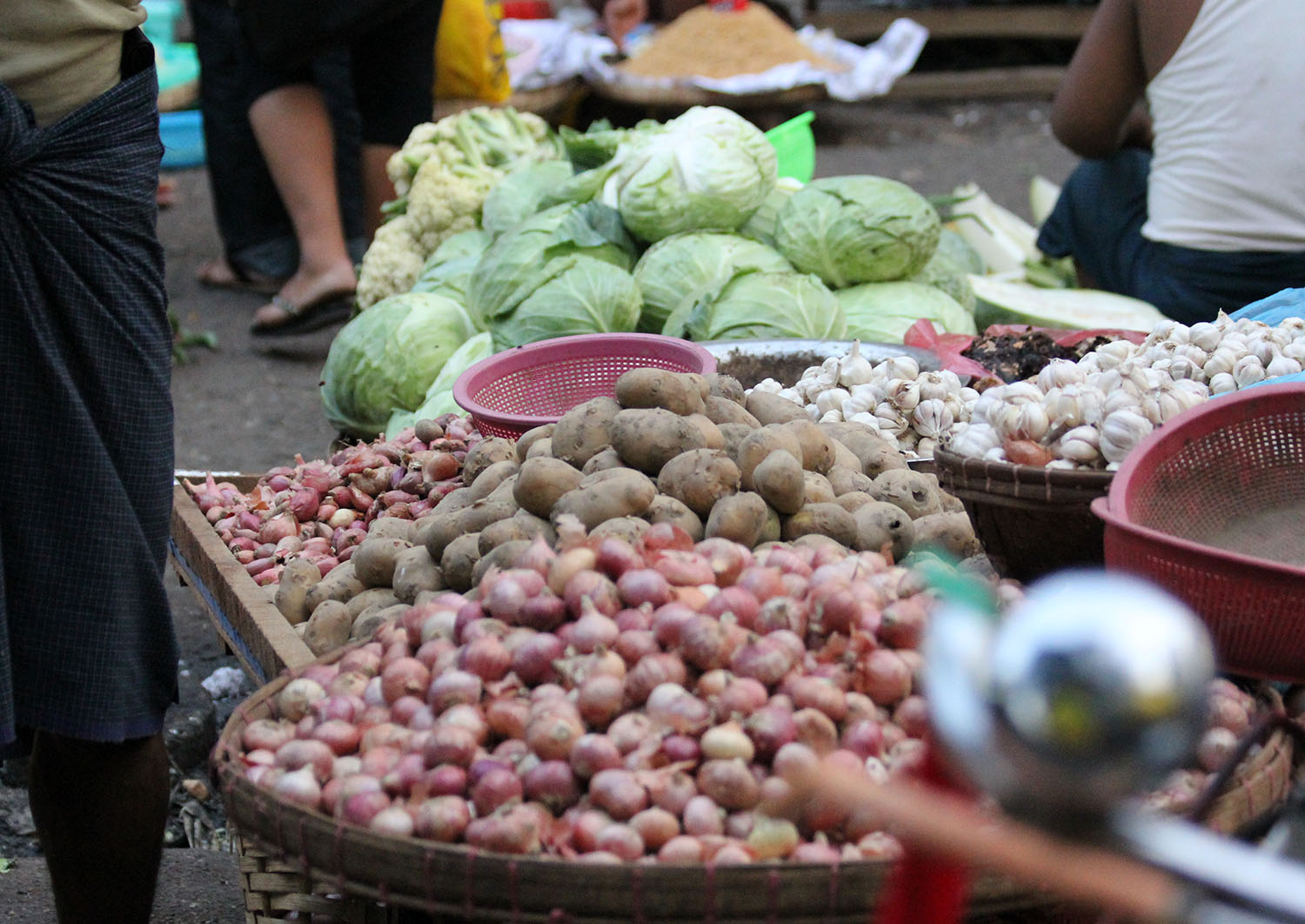
If you go: spend at the small and the local. Family-run guesthouses, independent restaurants, neighbourhood teashops, local guides hired directly, markets, craftspeople. Hire local guides as individuals and pay them properly and in cash — in a constrained economy, money put directly into someone's hands is money the regime doesn't touch first. Avoid the large military-linked hotels and the airlines with regime ties where you can; the responsible-travel community maintains current lists of which is which, and they're worth ten minutes of reading before you book. Buy crafts from the women and the workshops who made them, not from airport concessions.
This is harder, slower travel than a beach week. That's the honest trade. If you want your money to land softly in Myanmar in 2026, you have to do the research that makes that happen — and if you're not willing to, that's worth being honest with yourself about too.
The bottom line
The visa question has a clean answer: a tourist e-Visa, about USD $50, applied for at evisa.moip.gov.mm, valid 90 days, good for a 28-day single-entry stay, no extensions, entry only at Yangon, Mandalay, Nay Pyi Taw airports or the Kawthaung land crossing. Six months' passport validity, proof of onward travel, a real hotel booking. Count your days, leave a buffer, fly out by day 27.
The harder answer is the one the visa can't give you. The paperwork is straightforward; the country is not. Every government whose passport you likely hold says do not travel, and that advisory will shape everything from your insurance to your ability to get help. I'm not going to tell you to go, and I'm not going to tell you not to — that's genuinely your call, and you should make it after reading the safety piece, not this one. What I'll tell you is this: if you do go, go small, go slow, go with your eyes open, put your money in human hands, and know your exit date better than you know anything else on the trip. That's how you go to Myanmar in 2026 if you go at all.
Solo female traveler from Bangalore. Safety advocate, responsible tourism, women-run cooperatives — empowering, never alarmist.
✦ More from Priya Sharma


✦ Keep reading
More from this region


More in Destinations
✦ Discussion
Start the discussion
No replies yet — yours could be the first.