
Do You Need a Visa for Cambodia? (2026)
Short answer: yes. If you hold an Australian, British, US, Canadian, or most European passports, Cambodia is not visa-free — every traveller in your group needs one, including the baby. The good news is that Cambodia's visa is one of the most straightforward in Southeast Asia, the official cost is genuinely cheap, and you can have the whole family sorted from your kitchen table before you fly. This guide is written for a family arriving by air — the most common way in, and by some margin the easiest right now — but I'll cover the land borders too, because there's a significant 2026 catch you need to know about before you book anything overland from Thailand.
I've taken my three kids (currently 4, 9, and 13) through Siem Reap's airport, and helped my sister get her two through Phnom Penh. None of it is hard. But the visa process has three moving parts that people muddle together, and the muddling is where families lose money and time. Let's separate them out.
The three things you actually need (and how they differ)
Here is the bit nobody explains clearly. To enter Cambodia by air in 2026 you need three separate things, and they are not the same:
A visa. This is your permission to enter the country. For tourists it's the Type-T tourist visa. You get it either online in advance (the e-visa) or on landing (visa on arrival). It costs US$30 either way.
The e-Arrival Card (CeA). This is not a visa. It's a free digital form that replaced the old paper landing card, customs slip, and health declaration — all rolled into one. Every air arrival must complete it within seven days of landing. It's free.
A valid passport. Cambodia wants at least six months' validity beyond your arrival date and one blank page per traveller. Check this for every child now, not at the airport — kids' passports expire on cruel timelines and a five-year-old's passport renewed at age three may be closer to expiry than you think.
People conflate the visa and the e-Arrival Card constantly, partly because dodgy websites want them to. They are different. You pay for the first. You never pay for the second.
Is the e-visa or visa on arrival right for your family?
Both get you the same 30-day single-entry tourist visa at the same official price (US$30). The difference is when and how you do the admin — and with kids, that difference matters more than the thirty dollars.
Get the e-visa in advance if: you're travelling with young children, you're a solo parent, or you simply hate queueing with a tired toddler after a long flight. You apply at the official site, evisa.gov.kh — and nowhere else (more on that below). Each traveller needs their own application: a passport scan, a passport-style photo (white background, JPEG), and the US$30 fee on a card. Processing is officially three business days; I'd allow a week to be safe, and you can apply up to three months before you travel because the e-visa is valid for 90 days from issue. You print the PDF — one per person, including the kids — and you're done. Walking past the visa-on-arrival counter straight to immigration with a 4-year-old asleep on your shoulder is worth every cent of doing it early.
Visa on arrival is fine if: you're travelling with older, more portable kids (tweens and teens who can stand in a line without dissolving), you've left it late, or you'd rather not photograph everyone's passport at home. At Phnom Penh, Siem Reap, and Sihanoukville airports the process is genuinely quick — hand over your passport, a photo, and the cash, and you'll have the visa in your passport in five to ten minutes. Bring the fee in clean US dollars — crisp notes, US$30 per person — because while airports increasingly take cards, cash never fails and torn or marked notes get rejected. Carry a passport photo per person too; some counters have a camera, but a photo skips a step.
My honest take for a family: do the e-visa. The hour you spend on it the week before beats managing a visa queue, a photo booth, and a cash transaction with three children in tow at the end of a travel day. For two adults and three kids that's five forms — annoying, but a one-evening job.
A word on the official price — and the websites that triple it
This is the single most important practical thing in this guide, so I'm giving it its own section.
The official Cambodian tourist e-visa costs US$30. That fee was actually reduced from US$36 at the start of 2025. The only official website is evisa.gov.kh. The official e-Arrival Card site is arrival.gov.kh, and it is free.
Now: search "Cambodia e-visa" and the top results will be lookalike sites — names like cambodiaevisa-dot-something — that take your details, lodge the same government application, and charge you US$50, US$80, sometimes far more. The Cambodian government has formally warned tourists about these; one British traveller was charged US$90, and a fake site (cambodiaimmigration.org) reportedly billed people up to US$300. There is no legal mechanism to claw that money back. These sites buy the top ad slots precisely because confused, jet-lag-anticipating parents click the first link. Type evisa.gov.kh directly into your browser. If a site charges more than US$30 for the visa, or anything for the arrival card, you're on the wrong one. Close the tab.
Do kids need their own visa? (And the solo-parent question)
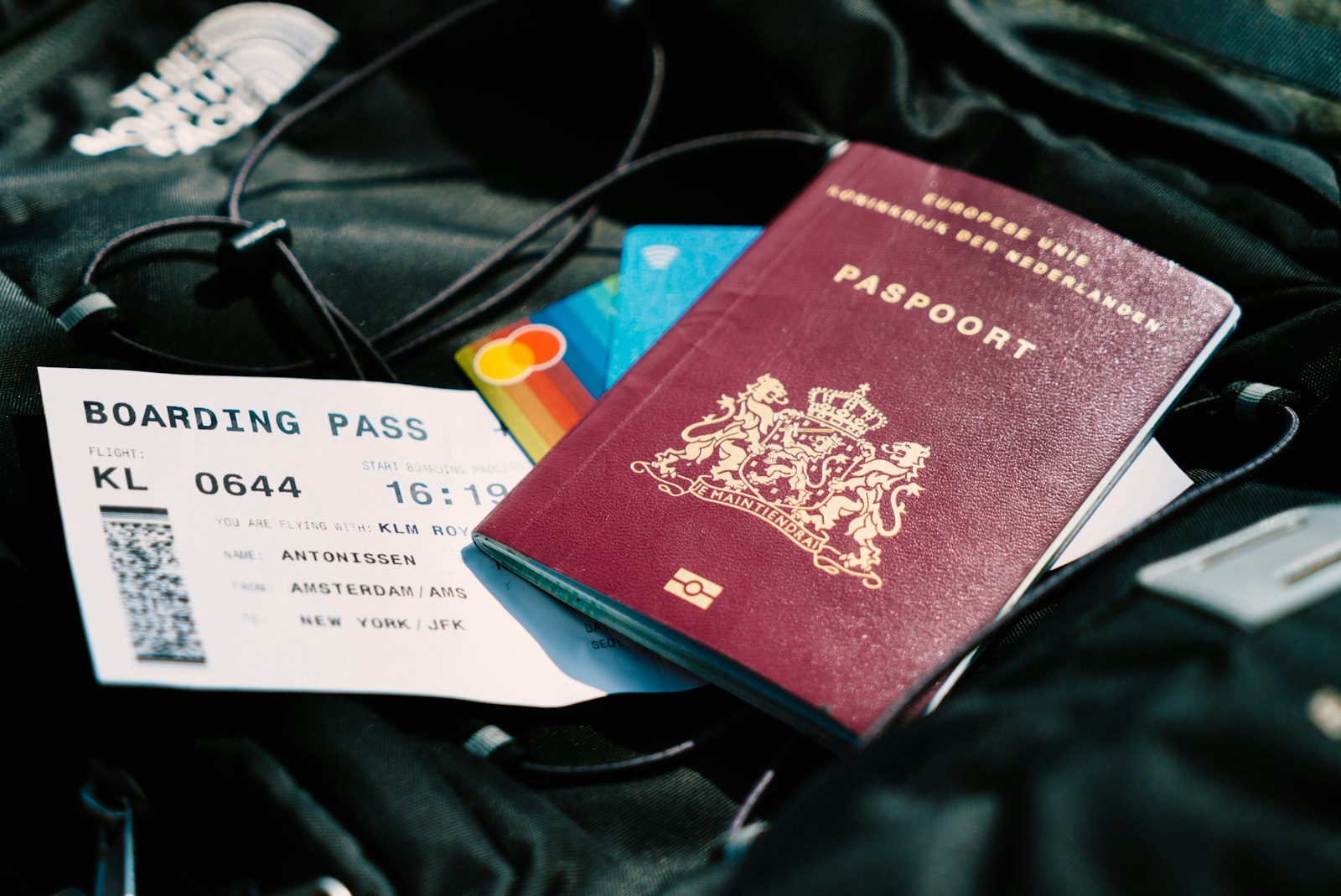
Yes. Cambodia makes no exception for children. Every traveller under 18 — newborns included — needs their own passport and their own visa at the full US$30. There is no child discount. Annoying, but clear: budget US$30 per head. A family of four pays US$120; my five pay US$150.
Each child also needs their own e-Arrival Card. You can complete these under one submission session as a family group, which saves some re-typing, but each person gets their own QR code.
One thing worth flagging for solo parents and split families: if you're travelling without the child's other parent, carry a copy of the child's birth certificate and, if relevant, a brief letter of consent from the non-travelling parent or proof of sole custody. Cambodian immigration rarely asks — in years of trips I've never been stopped — but several countries' exit checks and airline desks do, and it costs you nothing to have a PDF on your phone. This is one of those bring-it-and-never-need-it documents.
The land borders: the big 2026 catch
If your plan was the classic backpacker overland hop — Bangkok to Siem Reap by bus through Poipet — stop and read this. As of writing (May 2026), the land borders between Thailand and Cambodia are closed. They have been shut since late June 2025 following an armed border conflict, and despite a fragile ceasefire signed on 27 December 2025, the official crossings — Poipet/Aranyaprathet, Cham Yeam/Hat Lek, and the rest along the Thai frontier — are not open to tourist traffic. Australia's Smartraveller, the UK FCDO, and the US State Department all advise do not travel within roughly 50km of the Thailand–Cambodia border, citing the risk of renewed fighting and unexploded ordnance.
What this means for your family, practically: you cannot currently combine Thailand and Cambodia overland. Flights between Bangkok and both Siem Reap and Phnom Penh are running completely normally — that's your route. A one-hour flight with kids beats a closed border and a "do not travel" zone every single time, and frankly it beats the old six-hour Poipet bus slog regardless. This situation is fluid and could change at short notice, so check Smartraveller (or your country's equivalent) within a week of travel.
The Vietnam and Laos land borders are a different story and remain open. The Bavet–Moc Bai crossing between Vietnam and Cambodia operates normally with modern, biometric facilities, and the single Laos crossing at Trapeang Kreal is open daily 7am–5pm. Both accept the Cambodian e-visa and issue visa on arrival. If you're doing a Vietnam-then-Cambodia family trip, the e-visa is still the smarter play — it removes any haggling at the counter.
Which brings me to the land-border scams, because even at the open crossings they persist:
The "stamp fee." An official asks for a small fee — a dollar or two, or "100 baht" — to stamp you in or out. There is no such fee. It's a bribe. Politely decline; you may wait a little longer, but you're not obliged to pay.
The "express" lane. "Pay 200 baht and skip the queue." Not an official service. Another bribe.
The currency switch. You're told the visa is "1,200 baht" (around US$40) instead of US$30. The fee is US$30. Pay the stated US dollar price.
Visa "help" booths before the border. Touts and bus-company desks offer to "arrange" your visa for a markup. Skip them; get your e-visa from evisa.gov.kh beforehand, or do VoA at the actual government counter.
With kids in the mix, the move is simple: arrive with e-visas already printed so there's nothing to negotiate, and don't let a tout separate you from your passports or your queue position. A calm "no, thank you" works. You're not being rude; you're declining a scam.
At the airport: what arrival actually looks like with kids
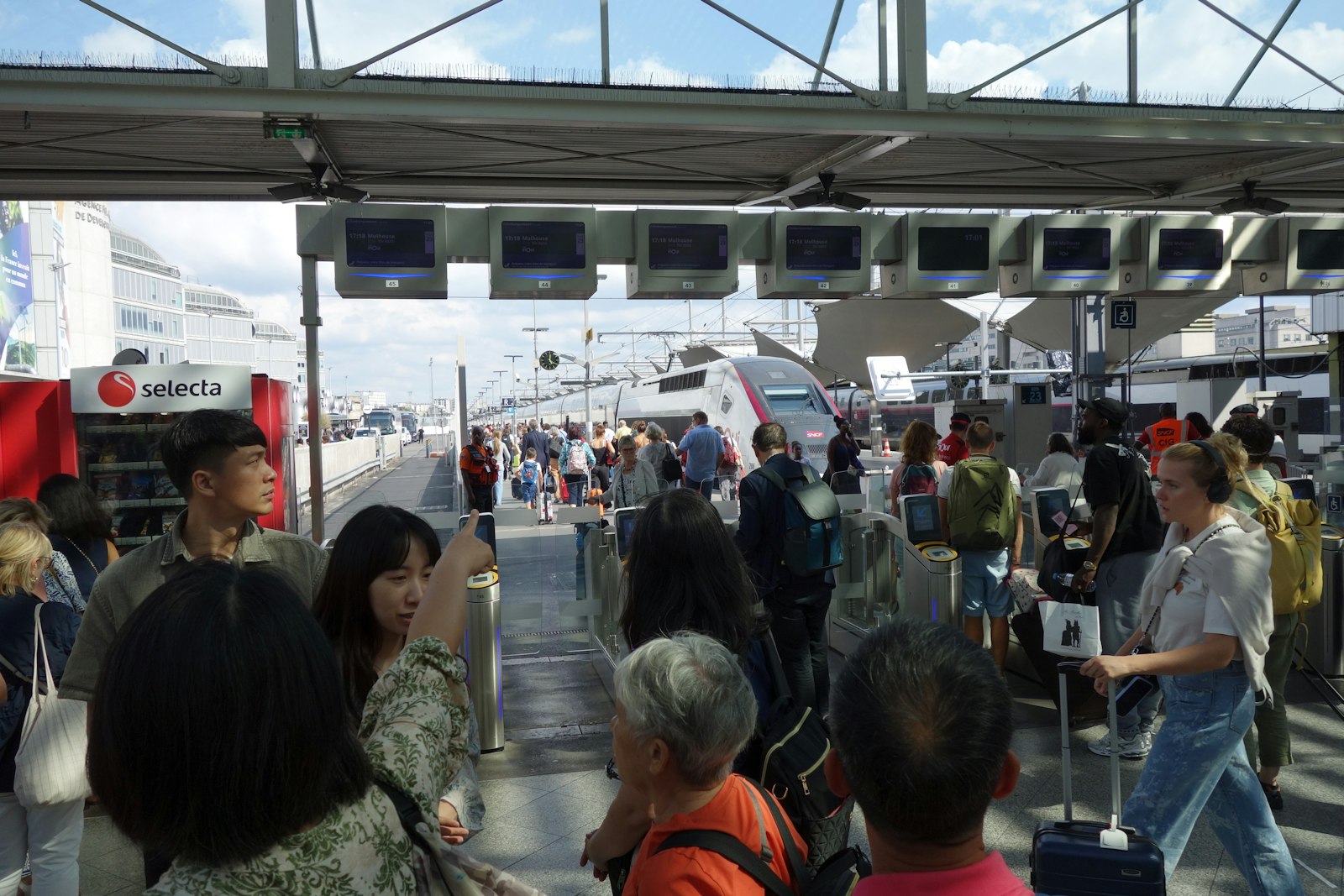
Here's the sequence flying into Siem Reap or Phnom Penh:
Before you fly, complete each person's e-Arrival Card at arrival.gov.kh (or the official app) within seven days of arrival. Screenshot every QR code — airport wifi is not guaranteed and a hungry 4-year-old does not improve your loading times. Do this at home, on the couch, not in the boarding queue.
If you did the e-visa, you've already got the PDFs printed. If you're doing visa on arrival, you'll stop at the VoA counter first — fill the short form, hand over passport, photo, and US$30 cash per person, wait five to ten minutes.
At immigration, you present passports, the visa, and your e-Arrival QR codes. Families generally go through together; staff are used to processing a parent and several kids in one go.
A genuinely useful detail: the airports keep tablets for travellers who forgot the e-Arrival Card, but in peak season (December–February, and the July Australian school holidays) those tablets attract 20-plus-person queues, while prepared families breeze through immigration in under five minutes. Being the prepared family is entirely free. Do the card before you fly.
Extending your stay, and the overstay trap
The tourist visa gives you 30 days. You can extend it once, for another 30 days, through a Phnom Penh immigration office or a travel agent, for around US$30. For a normal family holiday you'll be nowhere near the limit.
But know the overstay rule, because it's unforgiving: fines are US$10 per day, per person, with no upper limit, paid before you're allowed to leave. With a family that compounds fast — five people overstaying a week is US$350 — and immigration can detain you for serious overstays until it's paid. Set a phone reminder for day 25. It will never come up if you do.
The bottom line
Do you need a visa for Cambodia? Yes — but it's a non-event if you do it right. Apply for the e-visa for every family member at evisa.gov.kh (US$30 each, nowhere else), complete each person's free e-Arrival Card at arrival.gov.kh before you fly, check every passport has six months left and a blank page, and bring some clean US dollars as backup. Fly in rather than attempting the closed Thai land border, and ignore anyone at a land crossing asking for a "stamp fee."
Would I take my family back through Cambodian immigration tomorrow? Without hesitation — and I'd have the whole thing done from the couch a week beforehand, so the only thing my kids would notice is how quickly we were out the door and into a tuk-tuk. Cambodia makes entry easy. The only hard part is not clicking the wrong website.
Entry rules change — verify the official cost and the Thailand land-border status on your government's travel advisory within a week of travel. Last verified May 2026.
Sources:
Cambodia Travel Advice & Safety — Smartraveller (Australian Government)
Gov't warns tourists over use of fake visa websites — Phnom Penh Post
Warning Issued Over Fake E-Visa Website Scamming Tourists — Kiripost
Poipet border scams (and how to avoid them) — Move to Cambodia
Thailand–Cambodia Border Issues: Travel Advisory Update — Easia Travel
Planning a Thailand trip in 2026? What the border conflict means — The Thaiger
Australian family-travel writer based in Brisbane. Mother of three. Family-friendly SE Asia, multi-gen trips, the boring practical bits.
✦ More from Emma Wilson


✦ Keep reading
More from this region


More in Destinations
✦ Discussion
Start the discussion
No replies yet — yours could be the first.