
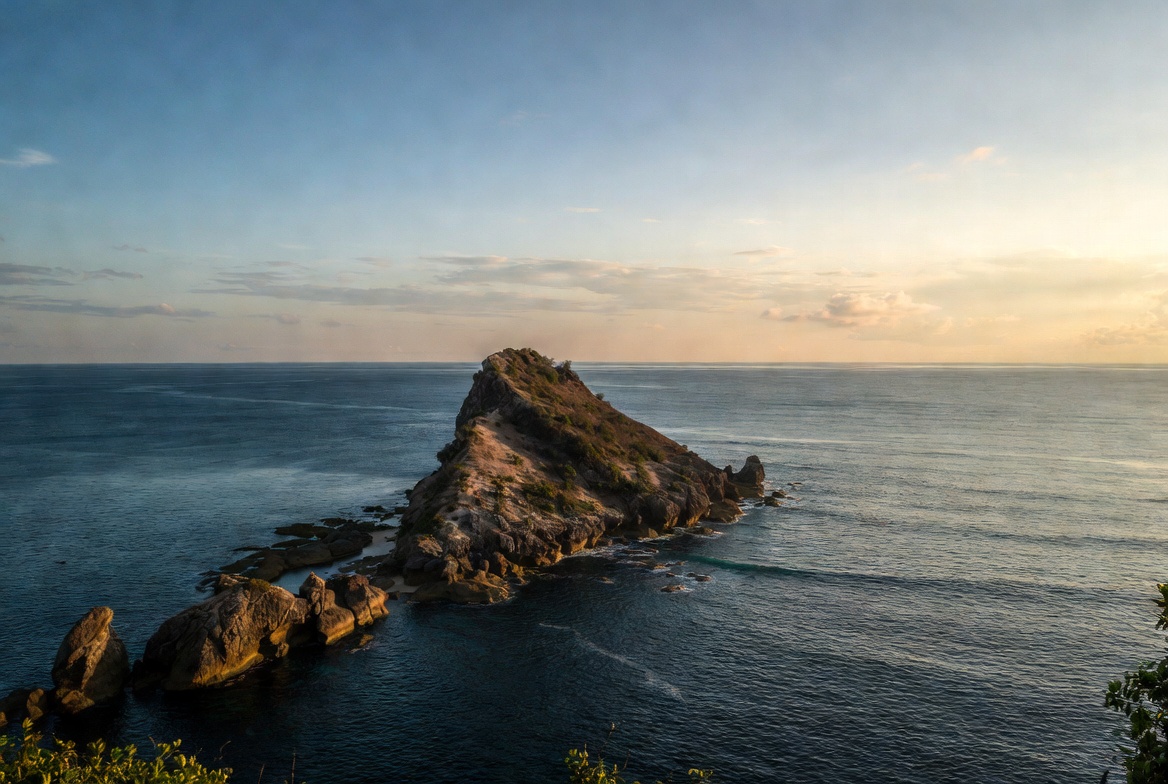
When to Visit Indonesia: Timing It for Wildlife, Diving and the Dry Season
Indonesia is not a destination. It is roughly 17,000 islands strung across more than 5,000 kilometres of equator, three time zones, and two hemispheres of weather — and the question when should I go has no single honest answer until you finish the sentence. When should you go for what.
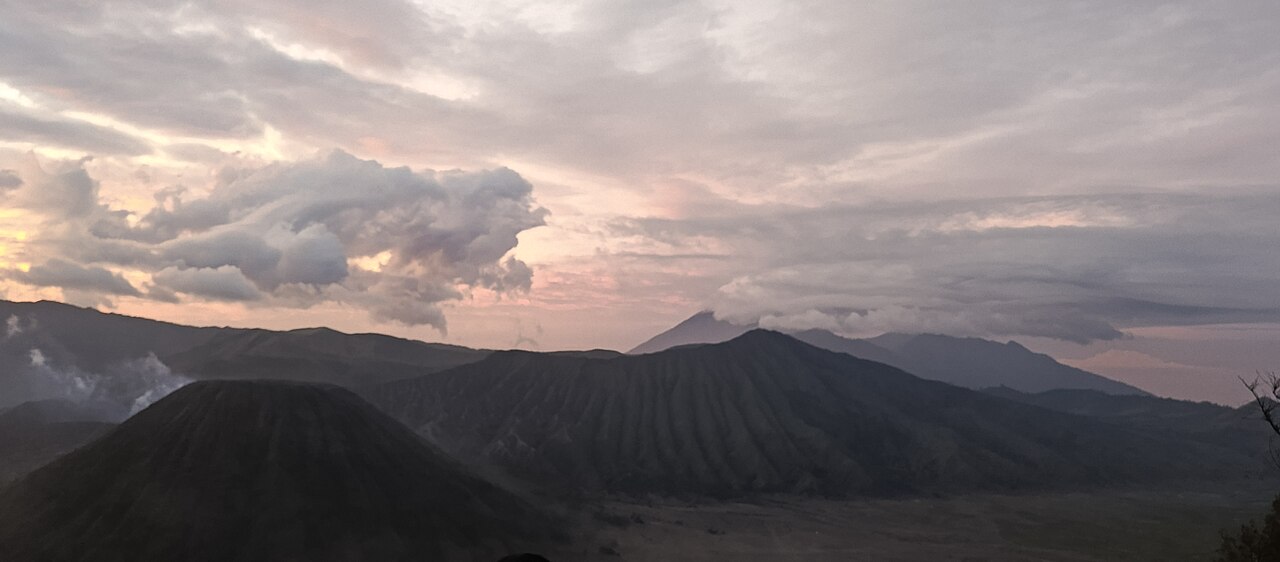
A photographer learns this the hard way. The light that makes Mount Bromo's caldera at dawn — that cold, clean, blue-to-amber gradient over a plain of grey ash — is the dry-season light, and it is the wrong light, the wrong season, for the plankton blooms that pull manta rays into the channels off Komodo. The forest that delivers orangutans to a feeding platform in Tanjung Puting does so because of a seasonal hunger that peaks at one particular time of year. You cannot optimise for everything at once. So you choose your subject, and you let the subject choose your month.
The question is never simply when to visit Indonesia. It is when to visit Indonesia — for what.
The broad frame still helps. Most of Indonesia runs a dry season from roughly April to October and a wet season from November to March, driven by the monsoon's annual reversal. But the country is wide enough that this rule frays at the edges — Raja Ampat, far to the east, keeps its own quieter calendar — and the things you have most likely come to see do not all peak in the dry months. Here is how to time the trip around what is actually on your shotlist.
The Dry Season, Loosely — Indonesia's Default Calendar
Start with the rule before the exceptions. Across Java, Bali, Lombok, Flores and most of Kalimantan, the dry season runs about April to October. Skies are clearer, humidity drops, roads and forest trails firm up, and the seas calm. The wet season, November to March, brings heavier rain — often in concentrated afternoon downpours rather than all-day grey — and a landscape that turns intensely, almost violently green.
For most overland travel and most volcano photography, the dry season is the obvious window, and the heart of it — June through September — is the most reliable. But "reliable" and "best" are not synonyms. The dry season is also the high season: peak prices, peak crowds, sunrise viewpoints shoulder to shoulder. The shoulder months on either side — April and May, then late September and October — are where I do most of my own work. Clear-enough skies, thinner crowds, softer rates, and a landscape that still carries some of the wet season's green before the dry bleaches it down.
Two dates worth knowing if you are anywhere near Bali or Java in early 2026. Nyepi, the Balinese Day of Silence, fell on 19 March 2026 — the island shuts completely for 24 hours, airport included. And Indonesia's largest domestic travel week, the Idul Fitri holiday, peaked in late March 2026; volcano viewpoints and transport were at their most crowded then. Both have passed for this year, but the pattern repeats annually — check the moving dates before you commit.
Komodo and Flores — Dragons, Mantas, and a Tale of Two Seasons
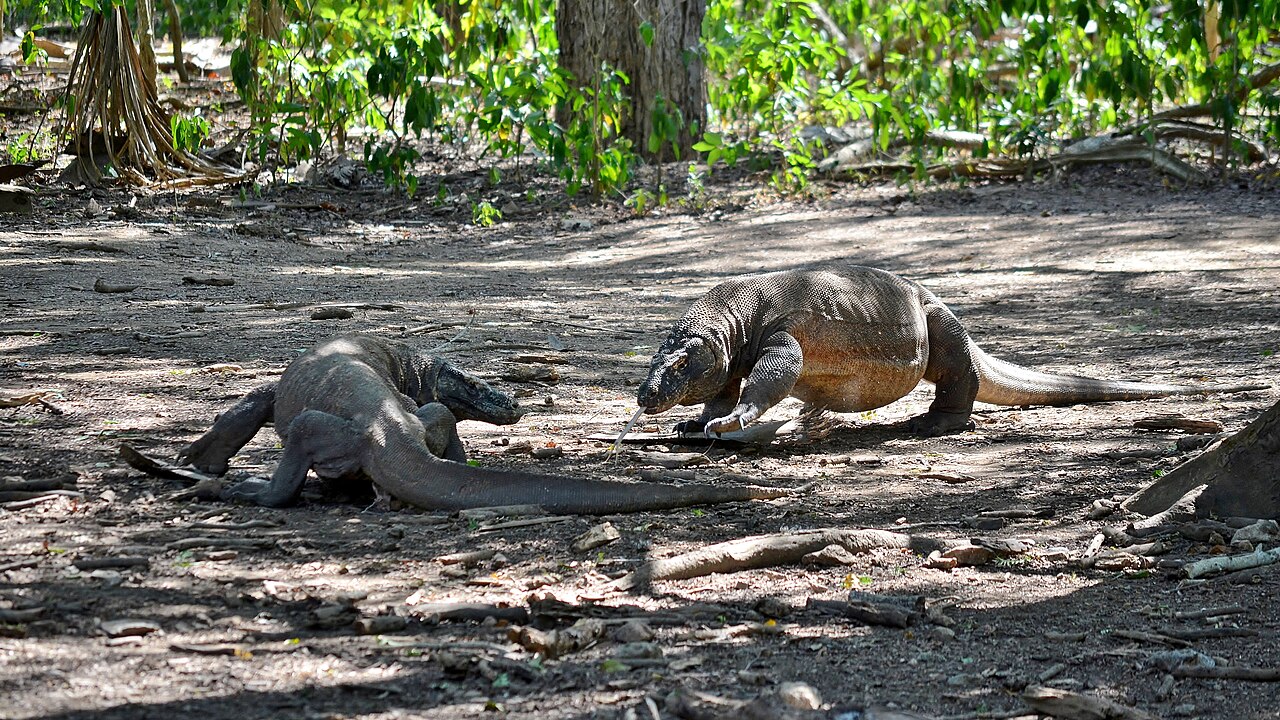
Komodo National Park forces the cleanest version of the choice, because the two things people come for peak at opposite ends of the year.
If you have come for the Komodo dragons themselves — and for the islands at their most photogenic — the window is roughly April through June. The post-monsoon landscape still holds green on the hills before the dry season scorches them gold; the seas are calm; crowds have not yet hit their July–August peak. There is also a wildlife reason to favour these months: dragon nesting season runs September through November, when the animals are harder to find and the females are guarding nests, so that stretch is worth avoiding if the dragons are your priority. The light on Komodo and Padar in April and May is superb — a clear, hard tropical sun that models the islands' folded ridgelines, the trio of crescent beaches on Padar standing pale against dark water.
If you have come for the manta rays, flip the calendar. The mantas follow the plankton, and the plankton follows the nutrient-rich water of the wetter months. December through February is the prime window, when the onset of the wet season triggers blooms that draw mantas into the park in real numbers — a dozen on a single site is not unusual, and the famous southern site of Manta Alley becomes the main event. You trade the dry season's calm seas and easy travel for green, plankton-thick water and the chance of a genuine aggregation.
Come for the dragons in April; come for the mantas in December. Komodo will not give you both at once.
A practical note on cost. Komodo liveaboards in 2026 run roughly USD 1,300 to nearly USD 5,000 per person depending on length and comfort, with most three-day trips starting around USD 1,300–1,600. The Komodo National Park entrance fee was updated for 2026; budget on the order of USD 25–45 per person per day for park and conservation fees, and confirm the current figure when you book, as Indonesia revises these regularly.
Raja Ampat — The Diving Window at the Far End of the Country
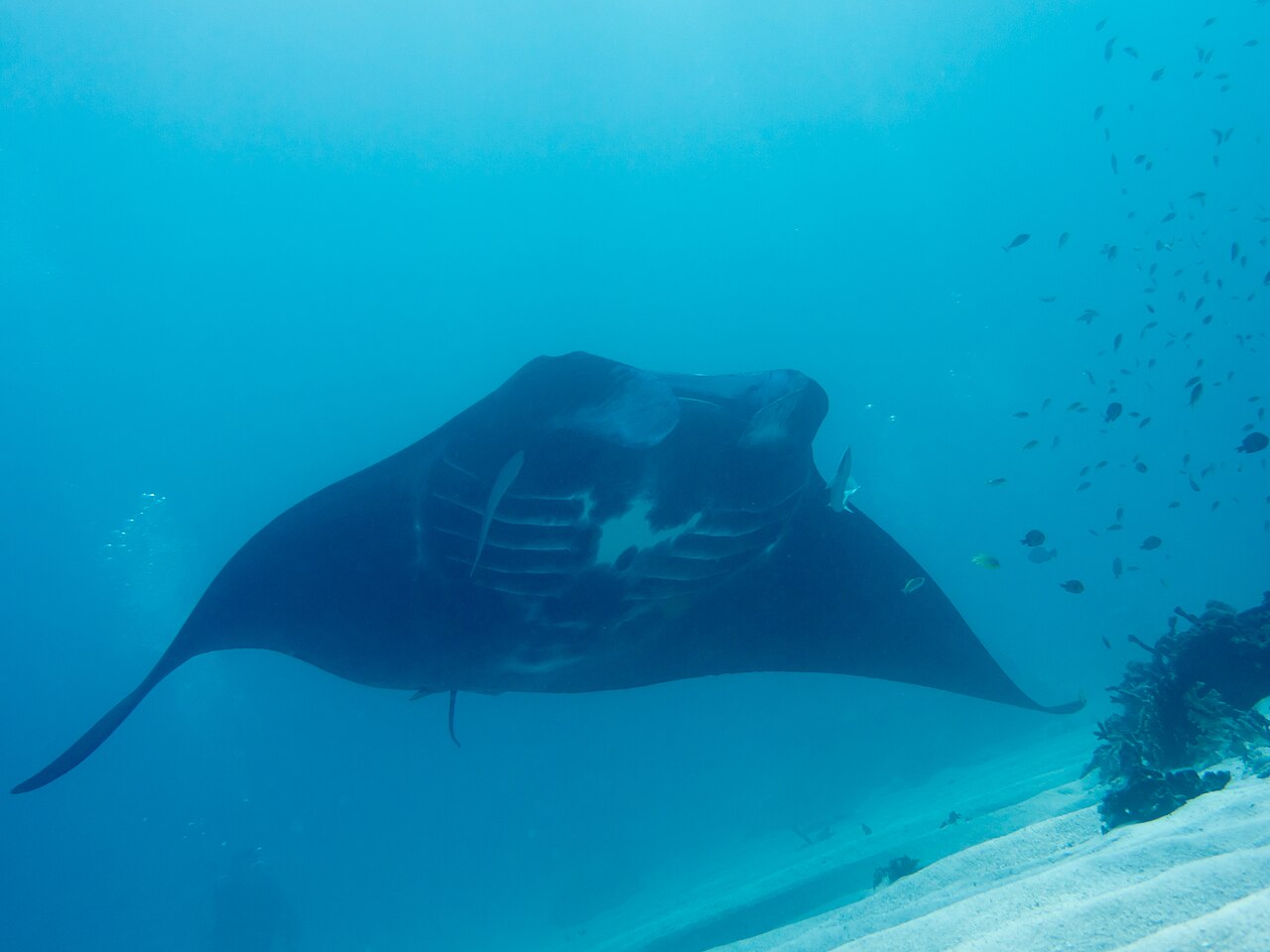
Raja Ampat, off the western tip of Papua, is the reason serious divers cross the planet — the most biodiverse marine region documented anywhere, a place where a single reef can hold more fish species than the entire Caribbean. And it keeps its own clock.
The diving season here runs roughly October to April. Through the heart of it — December to February — the seas go calm, the water sits at a warm 28–30°C, and visibility regularly exceeds 25 metres, sometimes pushing past 30. This is also peak manta season in central Raja Ampat: the gentle giants aggregate at cleaning stations like Manta Sandy and Manta Ridge, and a slow, ambient-light frame of a manta gliding low over a reef is one of the things you came for. Note the trade-off — manta season's plankton-rich water can pull visibility down even as it pulls the mantas in. You cannot have crystalline blue and a wall of mantas in the same hour.
The stretch to be cautious about is July and August, when stronger winds and surface chop arrive; many liveaboards suspend operations then, and runoff and plankton can drop visibility into the 10–15 metre range. For the calmest water and the cleanest light underwater, target November through March.
Raja Ampat is also the most expensive corner of the country to reach. Liveaboards in 2026 start around USD 5,800 and climb past USD 10,000 for the longer luxury phinisi itineraries. On top of that, every visitor pays a marine park entry permit and a visitor entry ticket — together roughly USD 100 per foreign visitor in 2026 — plus domestic flights into Sorong. It is a long, costly journey to the eastern edge of Indonesia, and the people who make it tend to agree it is worth every rupiah.
Borneo's Orangutans — Timing the Forest in Tanjung Puting
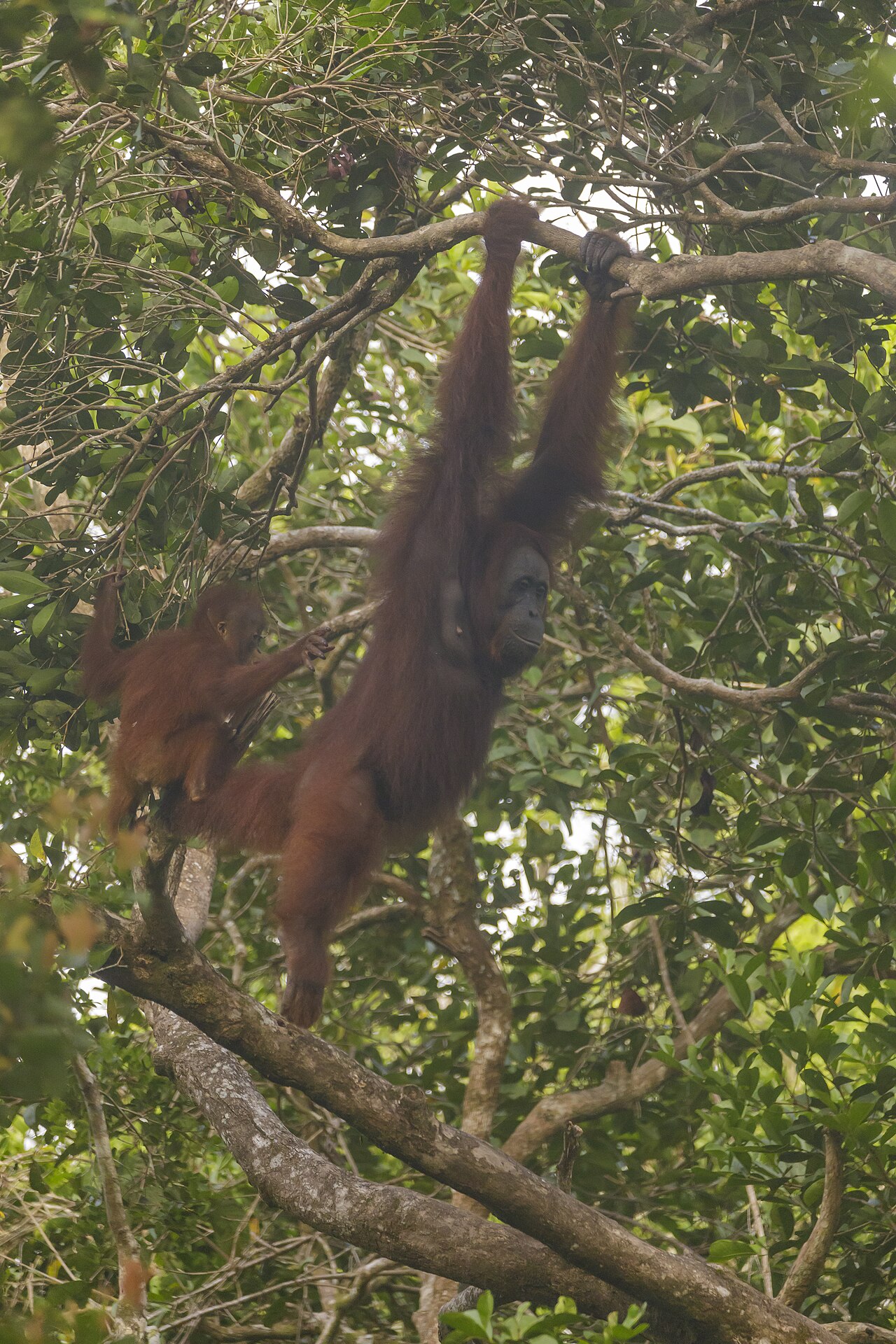
Cross to Kalimantan, the Indonesian two-thirds of Borneo, and the calculation changes again — because here the timing is driven not by weather alone but by hunger.
Tanjung Puting National Park, reached by slow klotok riverboat up tannin-dark water, is the classic place to photograph wild and semi-wild Bornean orangutans. The window is the dry season, June through September, and there is a precise reason. In the dry months the forest produces less wild fruit, and that scarcity drives semi-wild orangutans back to the rehabilitation centres' feeding platforms — which means dozens of apes may descend through the canopy at feeding time, and your sighting goes from possible to near-certain. The dry season also lowers and steadies the rivers and firms up the jungle trails, making the whole journey simpler.
The dappled, broken light of the lowland rainforest is a particular challenge and a particular gift — shafts of sun falling through the canopy onto rust-orange fur, the rest in deep green shade. It rewards patience and a fast lens. Be aware that July and August are the peak, and the better operators sell out months ahead; September is the quiet, intelligent choice — still dry, still reliable for sightings, with the crowds thinning.
Java's Volcanoes — Bromo and Ijen at Their Clearest
Java's great volcanic theatre — Mount Bromo's smoking cone in its Sea of Sand, and the sulphur-blue flames of Kawah Ijen — is at its photographic best in the dry season, and for once the reason is simply the sky.
From April to October the air over the Tengger massif clears, and the peak dry months of June through September deliver the cleanest skies of the year. That matters more here than almost anywhere. The whole Bromo experience is a sunrise: you climb a viewpoint ridge in the cold dark, and you want minimal cloud so the light can do its work — Mount Semeru's distant cone catching the first amber, Bromo itself exhaling a slow plume of steam above the grey ash plain, the temperature gradient of dawn running from cold blue at the zenith to warm gold at the horizon. A wet-season morning can simply erase all of it behind cloud.
Ijen's draw is the opposite of a sunrise — the electric-blue flames of ignited sulphuric gas, visible only in full darkness before dawn. Dry-season nights give you the clear, dry air and the safer, less slippery trail that this pre-dawn hike demands. If you want the volcanoes without the peak-season crowds, the shoulder months of April–May and September–October are the sensible compromise: clear enough skies, fewer headlamps on the trail ahead of you.
Bali — Reading the Island's Own Micro-Seasons
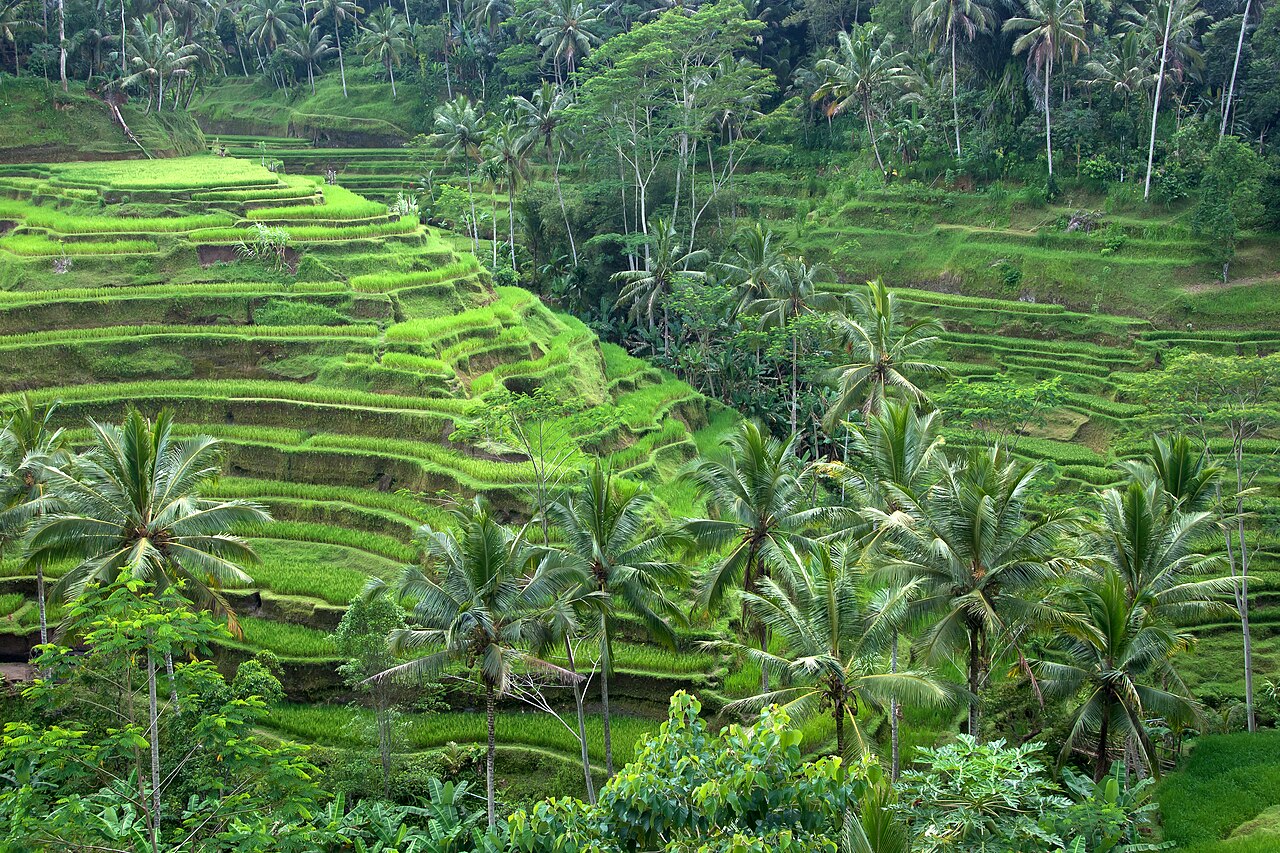
Bali deserves its own paragraph, because travellers tend to over-simplify it. The island runs the standard pattern — dry roughly April to October, wet November to March — and the dry season brings warm days around 27–32°C, lower humidity, blue skies and clean surf.
But Bali is small enough, and varied enough in altitude, to keep micro-seasons within that frame. The south coast and the lowlands feel the dry season most cleanly. The central highlands around Ubud, Munduk and the crater lakes stay greener, cooler and more prone to afternoon cloud year-round — which is precisely why the rice terraces there photograph so well, and why a misty morning over a highland lake temple has a quality the dry-baked south cannot offer. The volcanic east and the Bukit peninsula in the south each carry their own slightly drier microclimate.
For the best balance of weather, crowds and price, the months travellers consistently land on are May, June and September — the dry season's clean light without July and August's peak congestion and rates. The wet season is not a write-off either: November to March downpours are typically heavy but short, the landscape is at its most saturated, and the prices and crowds both ease. If your Bali is rice terraces, highland temples and slow mornings rather than guaranteed beach sun, the shoulder and even wet seasons reward you.
So — When Should You Go?
There is no single month that unlocks all of Indonesia, and any guide that promises one is selling a simplification. Instead, let the shotlist decide:
For Komodo dragons and the islands at their most photogenic, go April to June. For manta rays at Komodo, go December to February. For Raja Ampat diving, go November to March — peak calm and clarity, peak manta season, the eastern edge of the country at its best. For Borneo's orangutans, go June to September, with September the quiet pick. For Java's volcanoes, go in the dry season, June to September for the clearest skies or the shoulder months to dodge the crowds. For Bali, May, June and September are the reliable sweet spots.
If I had to compress a country of 17,000 islands into a single recommendation, it would be this: come in the shoulder months — April–May or September–October. You will not catch every wildlife peak, but you will catch good-enough weather across most of the archipelago, thinner crowds, softer prices, and a landscape still carrying some green. The rest is a matter of deciding what, exactly, you crossed the world to stand in front of — and arranging to be there, awake, when the light is right.
Italian travel photographer-writer. Architecture, landscape, the light. Slow, deliberate, image-led essays.
✦ More from Marco Rossi


✦ Keep reading
More from this region


More in Destinations
✦ Discussion
Start the discussion
No replies yet — yours could be the first.