
Can I Travel to Cambodia Right Now? A 2026 Reality Check
Short version, before we get into the nuance: yes. You can fly into Phnom Penh or Siem Reap today, walk Angkor Wat at sunrise next week, and have a calm, ordinary, beautiful trip. But "right now" in May 2026 is not the same as it was in 2024, and if you're reading this you probably already know why. The Thai border is shut. There's been live shelling within the last six months. And the country has a scam-compound problem that's gotten enough press to spook even seasoned travelers.
I've been to Cambodia four times since 2017, twice solo, and I have friends running responsible-tourism work in Siem Reap who I checked with before publishing this. Here's the honest read.
The honest answer
Cambodia is open and safe for tourists who fly in, stay away from the Thai border zone, and treat Sihanoukville with skepticism. The US State Department lists Cambodia at Level 2 ("exercise increased caution") — the same level as France or Italy — with a Level 4 "do not travel" overlay only on the 50 km strip along the Thai border. The UK FCDO is slightly more conservative, advising against all but essential travel within 20 km of the Thai land border. Neither government is telling you to skip the country.
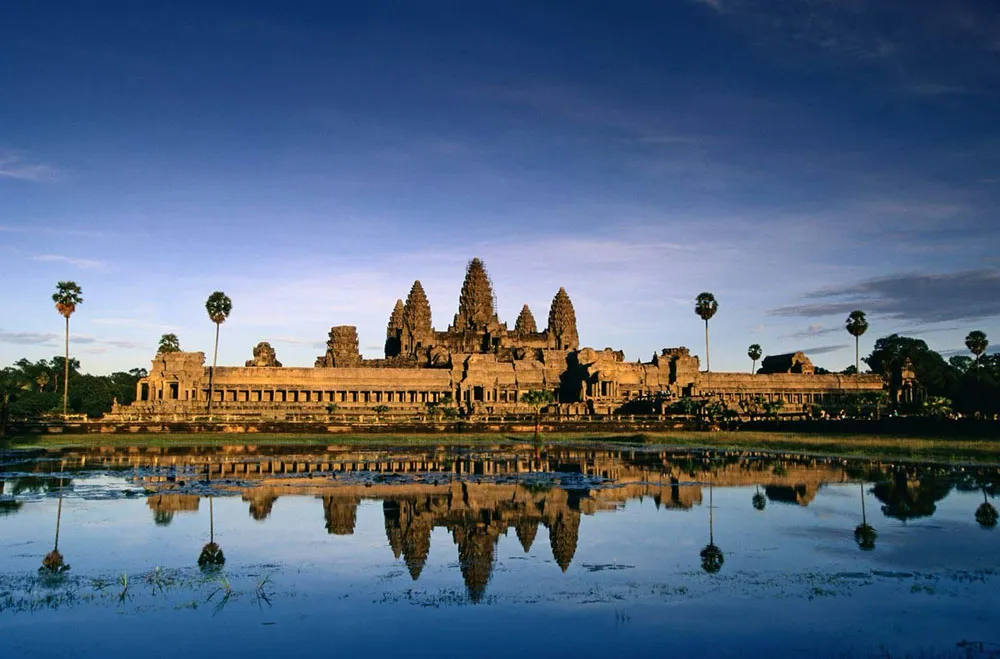
What that translates to in practice: Phnom Penh, Siem Reap, Battambang, Kampot, Kep, Koh Rong, the Cardamoms — fine. Angkor Wat — fine, fully operational, no incidents on the main archaeological park. The Thai overland route — closed, full stop. Sihanoukville — go in with eyes open. Preah Vihear temple — closed until at least 31 March 2026, and even after that I'd watch the advisories before booking.
If you were planning the classic "Bangkok-to-Siem Reap by bus" trip — that route doesn't exist right now. You fly, or you come up from Vietnam.
What to know before you go
Visas are easy, and slightly cheaper than they used to be. The tourist e-Visa is US$30 as of January 2025 (down from $36), single entry, 30 days, valid 90 days from issue. Apply at the official portal evisa.gov.kh — not the dozens of lookalike sites that charge a $40 "processing fee" for the same thing. Processing is officially 3 business days; in practice I've had mine back in under 24 hours.
Visa-on-arrival is still available at Phnom Penh and Siem Reap airports and at the Bavet land border with Vietnam: $30 + a $7 processing fee, cash USD, two passport photos. If you're the type who hates surprises at borders, do the e-Visa. If you're flexible and arriving at an off-peak hour, VOA is fine.
Cambodia tightened e-Visa checks in 2026. Names, dates of birth, and passport numbers must match your passport exactly. A typo in your middle name now causes rejections that didn't happen a year ago. Double-check before you submit.
The e-Arrival (CeA) form is mandatory for all air arrivals since July 2024. It replaces the paper arrival card, health declaration, and customs form. Fill it in up to 7 days before you land — there's an app, or use arrival.gov.kh in a browser. You get a V-pass to your email; screenshot it.
Passport validity: 6 months from your entry date. Vaccinations: nothing required for entry from most Western countries; the CDC still recommends Hepatitis A and Typhoid. If you're planning rural travel or any longer than a fortnight, talk to a travel clinic about Japanese Encephalitis — it's a low-probability, high-consequence one.
Period logistics, since nobody else writes about it: tampons are unreliable outside Phnom Penh and Siem Reap, and even there the selection is thin and expensive. Bring what you need, or — if you're open to it — a menstrual cup is the cleanest answer for a country where you'll be in tuk-tuks, on long bus rides, and occasionally at temples without flushing toilets.
Getting around safely
Flying in is the only way from Thailand right now. Bangkok–Phnom Penh and Bangkok–Siem Reap run normally on Bangkok Airways, Thai Airways, and AirAsia. Giant Ibis and the other overland bus operators have suspended all Thailand–Cambodia routes with no announced restart.
From Vietnam, the Moc Bai (VN) / Bavet (KH) crossing is open 8am–8pm daily and entirely normal. Direct buses from Ho Chi Minh City to Phnom Penh run every 30–60 minutes, $10–25 depending on operator. Giant Ibis is my pick for the corridor — they have proper seatbelts, which sounds basic until you've seen the alternative. Aim to cross between 8:30 and 10:30am to dodge the afternoon backlog.
From Laos, the Trapeang Kriel border is open and quiet. You'll need a pre-arranged e-Visa or VOA; bring small USD bills for the unofficial "processing" fees that the border guards still ask for. (Yes, it's a bribe. $1–2 dollars. Pay it; arguing isn't the hill.)
Inside the country:
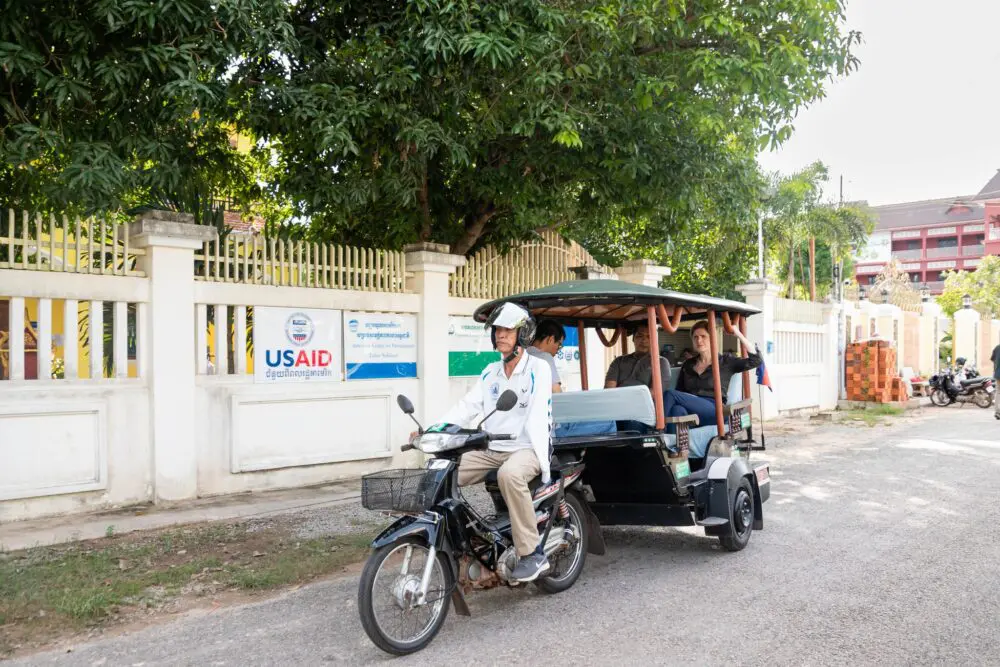
Grab and PassApp both work in Phnom Penh and Siem Reap. Use them. The price is locked, the route is visible, and the driver can see your destination in Khmer script. This solves about 80% of the "I'm being overcharged" anxiety.
Tuk-tuks are fine in daylight in tourist areas; agree the fare before you get in. Expect $2–3 within central Siem Reap, $3–5 in Phnom Penh.
At night in Phnom Penh, book a car through Grab rather than flagging a tuk-tuk. The phone-snatch-from-tuk-tuk routine is the most common crime against foreigners in the city and it's been a known pattern for years. Solo or not, don't ride with your phone visible.
Long-distance buses between cities are operational and safe. Giant Ibis, Mekong Express, and Virak Buntham are the names to know. Avoid overnight sleeper buses if you can — the road quality and driving standards don't reward sleeping through them.
Where to stay
I'm not going to pretend I've personally vetted every property in the country, but here's what I know works and why.
In Siem Reap:
Babel Guesthouse — Khmer-owned, gender-mixed and women-only dorms, walking distance to Pub Street but not in the noise. The owner Rotha is a former Angkor guide and the staff are excellent for solo travelers.
Mad Monkey Siem Reap — yes it's a party hostel, no it's not for everyone, but they take safety seriously: lockers in every dorm, female-only dorms, and security on the gate after 11pm.
Sala Lodges if you have a budget — individually relocated Khmer wooden houses, owned by a family that funds local school programs.
In Phnom Penh:
Mad Monkey Phnom Penh (same caveats as above) is in BKK1, which is the neighborhood you want — embassies, cafés, walkable, quieter than the riverside.
Pavilion Hotel — boutique, women-friendly, in a quiet central pocket.
I'd avoid the riverside strip itself for accommodation. Loud, scammy, and the bag-snatching maps tilt toward it.
In Battambang: Bambu Hotel and Maisons Wat Kor — both have strong solo female reviews, both are easy to get tuk-tuks from at any hour.
Skip Sihanoukville unless you're transiting to the islands. The city itself has become an unsettling mix of empty Chinese-built casinos, sketchy "business parks" (read: scam compounds — see below), and a small remaining tourist core that doesn't feel like the easygoing beach town it was in 2018. Otres Beach has some recovery, but you're better off getting straight to Koh Rong Samloem and not looking back.
If something goes wrong
Tourist Police: 1275 (English-speaking line, Phnom Penh and Siem Reap). Emergency: 117 (police), 119 (ambulance), 118 (fire). APLE Cambodia hotline: +855 92 311 511 — child protection NGO, but also a good contact for trafficking concerns. Cambodian Women's Crisis Center (CWCC): +855 23 997 967 — Phnom Penh-based, supports survivors of gender-based violence. They work primarily with Cambodian women but are a knowledgeable resource if you need to make a report.
Embassies in Phnom Penh:
US Embassy: #1, St. 96, Sangkat Wat Phnom — +855 23 728 000
UK Embassy: 27-29 Street 75 — +855 23 427 124
Australian Embassy: Villa 11, RV Senei Vinnavaut Oum (St. 254) — +855 23 213 470
Canadian Consulate in Phnom Penh handles consular issues; full embassy services route through Bangkok.
If you're a victim of theft and need to file a report for insurance, go to the Tourist Police office — main one is on Pokambor Avenue in Siem Reap (across from the Royal Residence) and on Sothearos Boulevard in Phnom Penh. Expect a fee of $5–10 for the report itself; this is irritating but standard.
About the scam compounds — what you actually need to know. You are extremely unlikely to be trafficked into one as a tourist; the victims are overwhelmingly people who were recruited through fake job offers from elsewhere in Asia. What you should be alert to: do not accept any "job opportunity," "investment meeting," or "casino tour" offered to you by strangers in Sihanoukville, Poipet, or Bavet. Multiple international warnings as recent as February 2026 confirm this pattern is still active. The compounds exist; they don't generally come looking for backpackers, but the moment you signal any interest in a too-good-to-be-true offer, you've made yourself interesting.
Where your money goes
Cambodia's tourism economy is recovering unevenly. A few places worth your dollars:
Sala Baï Hotel School in Siem Reap — a hospitality school for disadvantaged Cambodian youth. You can eat lunch at their student-run restaurant (excellent, $12) or stay at their training hotel. salabai.com.
Bambu Stage in Siem Reap — independent storytelling theater run by Khmer artists. Different from the temple-circus tourist shows; talk to your guesthouse about current performances.
Beyond Unique Escapes — Khmer-owned tour operator running female-friendly, small-group experiences. Their cooking classes and floating-village tours hire local guides at fair rates.
Phare, The Cambodian Circus — proceeds fund the Phare Ponleu Selpak arts school in Battambang. Worth every dollar.
Skip the orphanage visits, full stop. The "orphanage tourism" industry in Cambodia has been a documented child-protection problem for over a decade — most of the children in tourist-facing orphanages have living parents and are being used as fundraising props. If you want to contribute to children's welfare, ConCERT Cambodia in Siem Reap (concertcambodia.org) vets local organizations and can direct you to ones doing actual work.
The bottom line
I'd go right now. I'd fly in, I'd skip the Thai border provinces, I'd treat Sihanoukville as a transit point and not a destination, and I'd not lose any sleep about any of it. Cambodia in May 2026 is a country with a contained crisis on its western edge and a perfectly ordinary tourism economy everywhere else. The risk profile for a careful solo traveler is comparable to most of mainland Southeast Asia — somewhat higher for petty theft than Vietnam, somewhat lower than Bali for the kind of road-and-scam chaos that defines a "bad day."
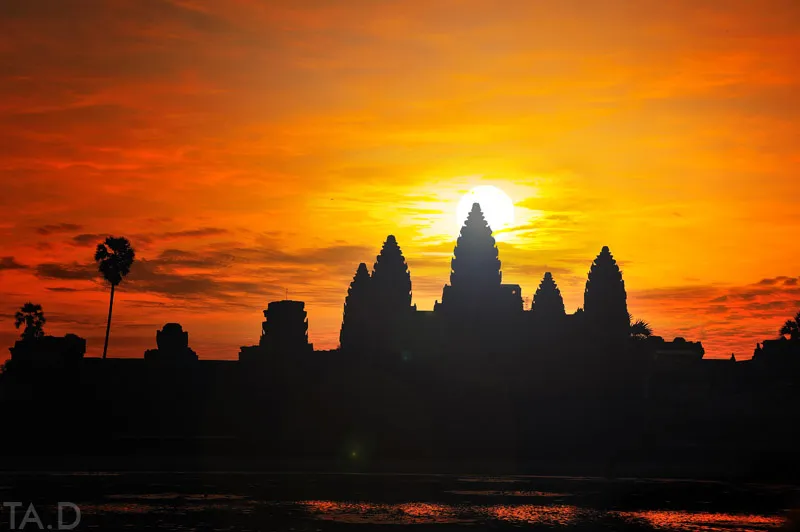
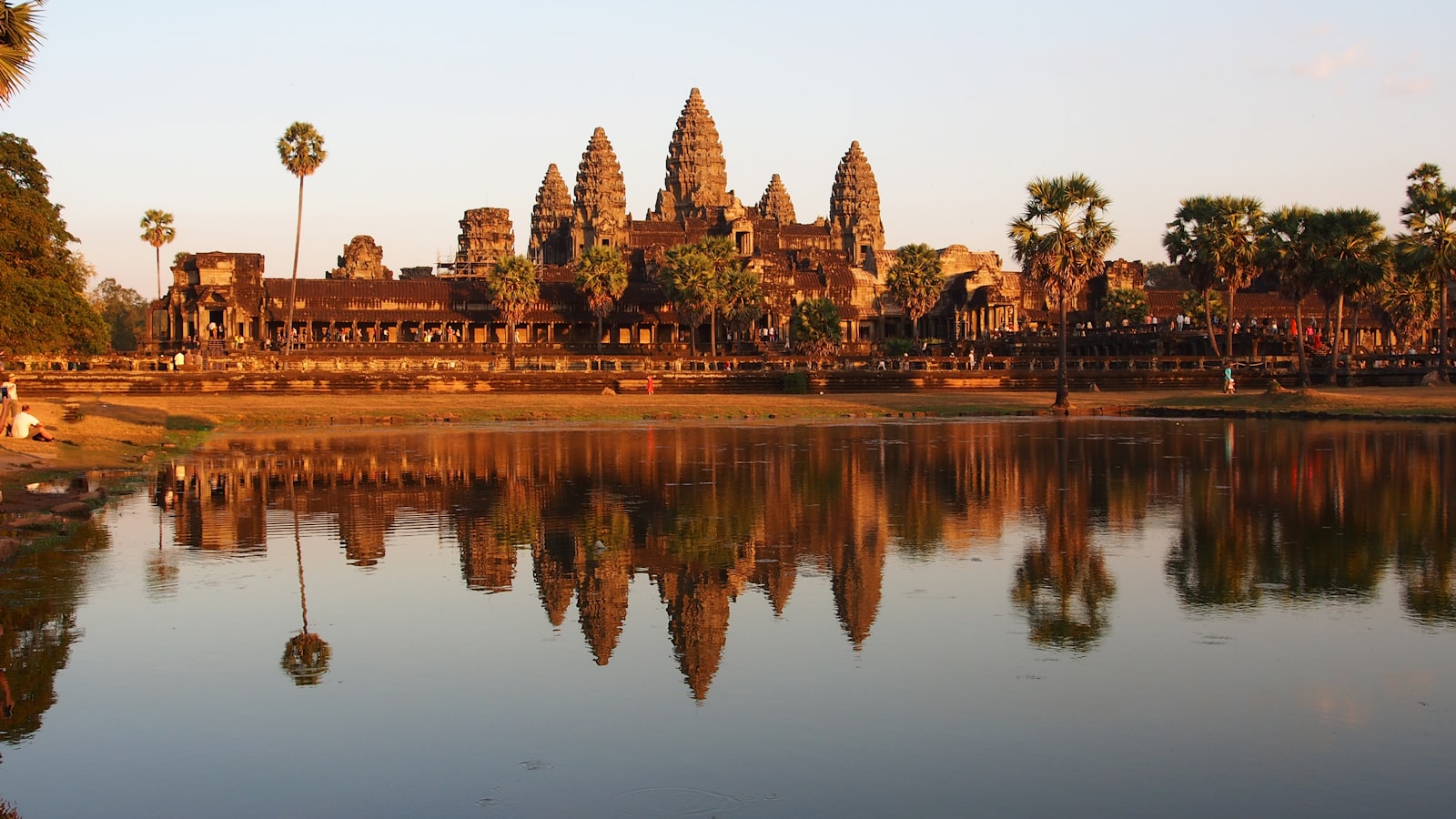
What would change my mind: a renewed flare-up at the border that pushes the conflict zone east, or any State Department alert that broadens beyond the 50km strip. Check the advisory the day you book your flight and the morning you board. Otherwise — go. Angkor at sunrise is still one of the things I'd tell any traveler to do once in her life.
Sources verified May 2026: US State Department travel advisory, UK FCDO Cambodia advice, Cambodia e-Visa portal (evisa.gov.kh), and on-the-ground contacts in Siem Reap. Border status was confirmed against multiple outlets reporting on the Thai-Cambodian closure that began June 2025.
Solo female traveler from Bangalore. Safety advocate, responsible tourism, women-run cooperatives — empowering, never alarmist.
✦ More from Priya Sharma


✦ Keep reading
More from this region


More in Destinations
✦ Discussion
Start the discussion
No replies yet — yours could be the first.