
Is It Safe to Fly to Singapore Right Now? (May 2026)
If you've got flights booked through Singapore this winter and you've found yourself googling at 11pm whether it's still safe to go — this is for you. I'm writing this for the parent staring at a Sydney–Singapore–London itinerary, the family with a Changi layover on the way to Bali, and the grandparents who saw "Middle East airspace" in a headline and are now quietly panicking about a trip they booked months ago. The short version: yes, it's safe to fly to Singapore, and Changi is one of the calmest airports on earth to be stuck in with kids. The longer version — what's actually changed, what hasn't, and what to do about the one leg that is affected — is below.
Is this trip right for your family?
Let me separate two completely different questions that the headlines have smushed together.
Question one: is Singapore itself dangerous right now? No. Australia's Smartraveller, the US State Department, and the UK and Canadian advisories all sit Singapore at their lowest tier — "exercise normal safety precautions." That hasn't moved in 2026. Singapore consistently ranks among the safest countries in the world, violent crime against tourists is rare, and Changi is about as orderly and well-staffed an airport as exists. As a destination, nothing has changed.
Question two: has flying into the wider region gotten messier? Yes — but specifically the leg that goes west of Singapore, over the Middle East. After the US–Israel strikes on Iran in late February and renewed flare-ups involving the UAE in May, airspace over Iran, Saudi Arabia, Qatar, Bahrain, Kuwait, Oman, Israel, and Jordan has been closed or heavily restricted. Airlines stopped flying through the Gulf. That's the thing driving the late-May spike in nervous googling — and it's a real disruption, but it's a routing problem happening thousands of kilometres away, not a safety problem at Changi.
Here's the geography that should settle your stomach: Singapore is about 6,500 km from the Gulf. That's roughly the distance from London to New York. The conflict zone is not near Singapore in any meaningful sense, and Changi has actually been absorbing rerouted traffic from airlines avoiding the Middle East — Changi, Bangkok, and Kuala Lumpur are the hubs picking up the slack, not the ones in trouble.
So: if your trip is Australia–Singapore, Singapore–Bali (or anywhere in Southeast Asia), Singapore–East Asia, or even Singapore–Europe, you are flying routes that are operating normally. If your trip involves Singapore–Dubai or another Gulf hub, that's the one to look at closely. More on both below.
Getting there with kids
Let me give you the concrete operational picture, because "it's fine" is not actually useful when you've got a 4-year-old and a non-refundable fare.
What's operating normally (the vast majority of family routes): Singapore Airlines is running its full network of 80-plus destinations from Changi. Sydney, Melbourne, Brisbane, Perth, Auckland — all normal. Bangkok, KL, Jakarta, Manila, Ho Chi Minh City, Hanoi, Bali — all normal. Tokyo, Seoul, Hong Kong, Shanghai, Taipei — normal. Even the long-haul Europe routes (London, Frankfurt, Paris, Amsterdam, Rome) are still flying — they're just taking longer, more northerly or southerly routings to avoid Gulf airspace, which adds maybe 60 to 120 minutes. So if you're doing the classic Aussie "kangaroo route" stopover in Singapore on the way to Europe, your flights are running; the European leg is just a bit longer.
What's actually disrupted: Gulf routes. Singapore–Dubai (SQ494/SQ495) is suspended; at the time of writing the airline has pushed the resumption date out to early August. The new Singapore–Riyadh service is delayed. Scoot's Singapore–Jeddah is suspended indefinitely. If your itinerary connects through Dubai, Doha, or Abu Dhabi, rebook now — don't wait. Talk to your airline about rerouting via a longer direct Europe flight, and expect fares on alternatives to be 20–30% higher and to involve a day or two of rebooking lag. The thing you do not want with kids is to discover this at the check-in desk.
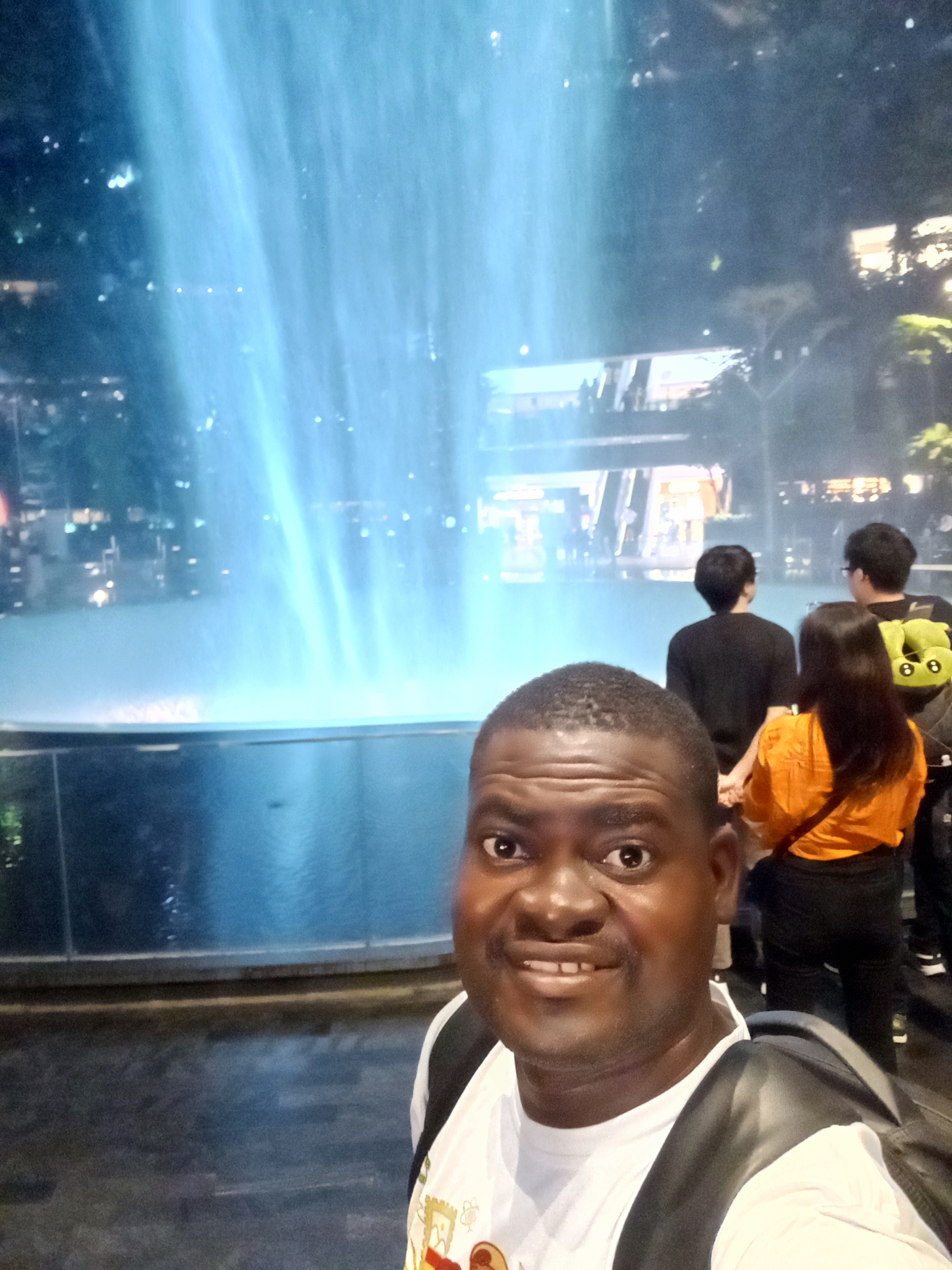
The transit question specifically. A lot of you are asking "is it safe to transit through Changi" — i.e. you're not even leaving the airport. Transiting Changi is genuinely one of the easiest things you can do with children. You don't clear immigration for a standard international-to-international connection, the terminals are connected by the free Skytrain, and the airport is built for long layovers. If you've got a gap of three hours or more, Terminal 1's connection to Jewel is your secret weapon: the Rain Vortex (a 40-metre indoor waterfall) and the free play areas burn off a remarkable amount of pent-up kid energy. Terminals 2, 3, and 4 all have free play zones, nap-friendly quiet corners, and showers. I have reset a melting-down toddler at Changi more than once.
Jet lag, briefly, because it's the real enemy on these routes. For Australian families the time difference to Singapore is small (two to three hours depending on your state and daylight saving), so a Singapore stopover is a gentle, low-jet-lag break. If you're pushing on to Europe, use the Singapore stop to reset: get the kids moving, get daylight on them, feed them a proper meal, and let them sleep on the second leg. A 24-hour stopover in Singapore on the way to Europe is one of the kindest things you can do to small bodies on a long haul.
Where to stay
If you're transiting and your layover is under about five hours, don't book anything — stay airside, use Jewel, and let the airport do the work. For longer gaps or an overnight, you have three good options depending on budget.
Inside the transit area (no immigration): the Aerotel and the YOTELAIR at Jewel let you book by the hour or for a short overnight without clearing immigration. This is the move for an awkward 2am connection with tired kids — you get beds, a shower, and you're metres from your next gate. It's not cheap per hour, but it's cheaper than a missed flight and a meltdown.
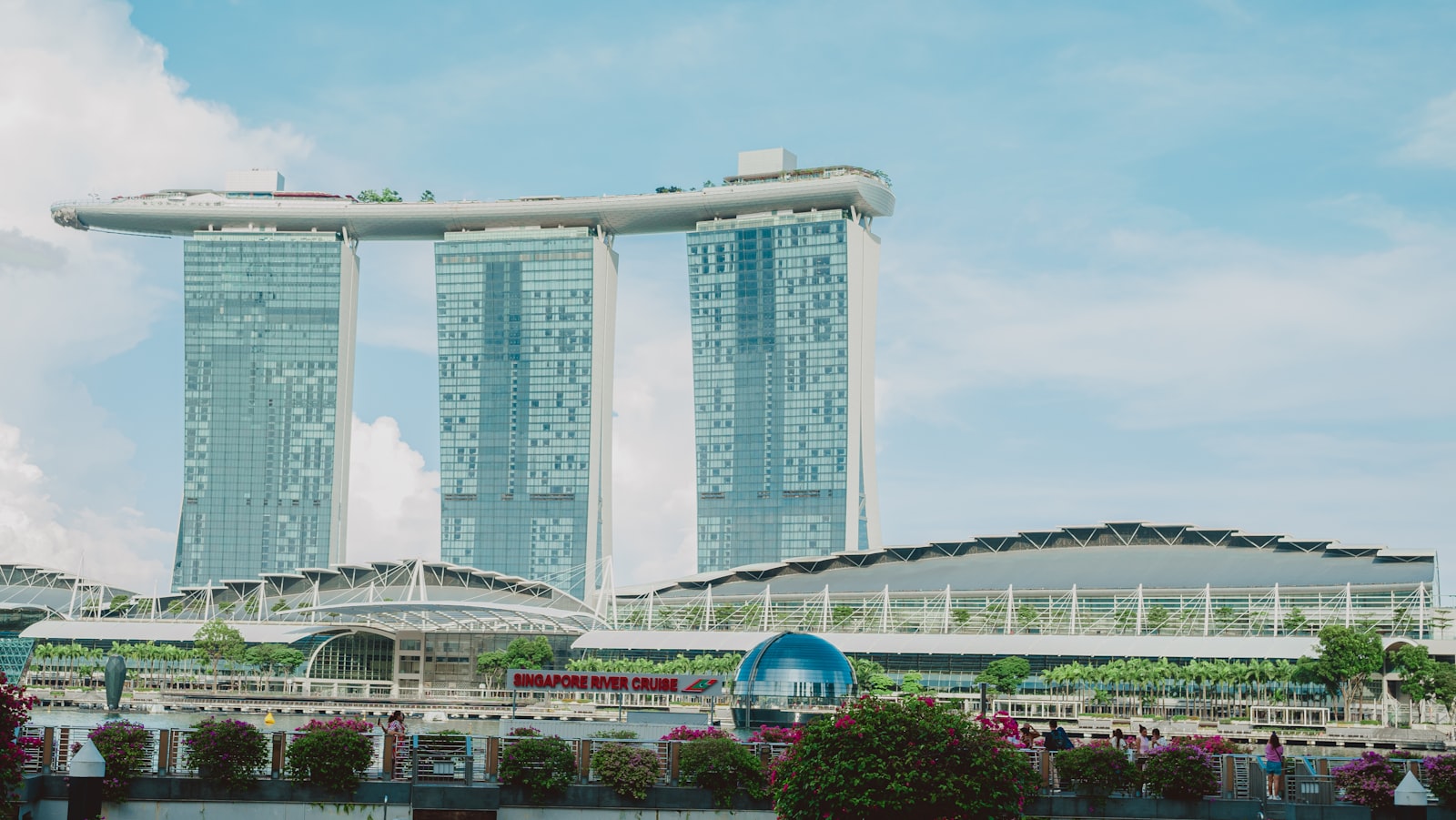
A proper Singapore stopover (you clear immigration): if you're turning the layover into a day or two — and honestly, you should, because Singapore is one of the great family cities — base yourself in Marina Bay for the spectacle and walkability, or near Sentosa if the kids are the beach-and-attractions age. Family rooms and connecting rooms are easy to find; Singapore hotels are well set up for kids. Budget roughly AUD $250–450 per night for a family of four in a comfortable mid-range place, more in peak periods (see the school-holidays note below).
On a tight budget: the area around Bugis and Kampong Glam has clean, well-run hotels at a fraction of Marina Bay prices, with easy MRT access and some of the best casual eating in the city. We've stayed here on multi-generation trips and it works for everyone from a 2-year-old to a 72-year-old.
A note on timing: Singapore is busiest — and priciest — over the June and December school holidays (which overlap across Australia, the UK, and Singapore itself), Chinese New Year, and the Formula 1 weekend in September. If your stopover lands in one of those windows, book accommodation early.
What to actually do
If you're only transiting, your "activities" are Jewel and the terminal play zones, and that's genuinely enough for a layover. But if you've turned this into a stopover, here's the age-banded version.
Toddlers (2–4): keep it simple and water-based. The Jacob Ballas Children's Garden inside the Botanic Gardens is free, shaded, and built for exactly this age. Sentosa's calm beaches and the splash zones are toddler gold. Skip the big-ticket attractions — they're wasted on this age and you'll spend the day carrying someone.
Primary (5–11): this is the sweet spot for Singapore. The Singapore Zoo and the River Wonders are genuinely world-class and ethically run — no animal rides, proper conservation focus. The kids will remember the orangutans. Gardens by the Bay's Cloud Forest is a hit, and the Marina Bay light show at night is free and reliably produces gasps.
Tweens and teens (12–17): Universal Studios on Sentosa, the indoor skydiving, the cable car, and — for the older ones — just letting them loose in a safe, walkable, MRT-connected city is a win. Singapore is one of the few places I'm comfortable giving a 13-year-old a bit of independence.
The whole group: the Night Safari works across ages and is the kind of thing grandparents and teenagers both enjoy.
Eating with kids
Singapore is the easiest place in Southeast Asia to feed a fussy child, and the food-safety worry that haunts so much family-travel writing barely applies here. Tap water is safe to drink straight from the tap — genuinely, you can fill the kids' bottles from the bathroom sink. Hawker centres are heavily regulated and hygiene-graded; a busy one with high turnover is a safe bet, not a risky one.
For picky eaters, the hawker centre is your friend precisely because of variety — plain rice, chicken rice, noodles, roti, fresh fruit, and a dozen other things are all in one place at low prices, so everyone finds something. Maxwell Food Centre and Lau Pa Sat are the famous ones; any neighbourhood hawker centre will do. If you need a air-conditioned, sit-down reset, the food courts in any major mall are clean, cheap, and have high chairs.
One genuinely useful note: Singapore is excellent for allergies and dietary needs. Staff generally speak English, ingredient awareness is high, and you can ask direct questions and get straight answers — which is not always the case across the region.
Health, safety, and the unglamorous stuff
This is the part most "is it safe" articles skip, so here's the practical layer.
Vaccinations: no mandatory vaccinations are required for entry from most countries — just make sure routine childhood immunisations are up to date. Worth flagging for 2026: Singapore has reported a small cluster of measles cases, including in infants, so if you're travelling with a baby too young to be vaccinated, talk to your GP before you go. This isn't a reason to cancel; it's a reason to check your kids' MMR status, which you should do before any international trip anyway.
Mosquitoes and dengue: dengue — not malaria — is the relevant mosquito-borne risk in Singapore, and it's present year-round in the city. There's no malaria risk and no need for prophylactics. The fix is straightforward: repellent on the kids during the day (dengue mosquitoes bite in daylight), especially around dawn and dusk, and long sleeves in the evening. It's a manageable, known risk, not a trip-ender.
Heat and sun: this is the thing that will actually derail your day. Singapore is hot and humid year-round and kids hate sweating. The fix is rhythm: outdoor stuff in the morning, retreat to air-conditioning or a pool over the midday peak, back out in the late afternoon. Singapore is exceptionally well air-conditioned — every mall, every MRT station, every museum — so escaping the heat is never hard. Hats, sunscreen, and a refillable water bottle each.
Haze: worth knowing about, not currently a problem. Singapore occasionally gets seasonal haze from regional fires, typically later in the year (roughly August to October), which can push air quality into unhealthy ranges for children and older travellers. As of late May 2026 it's not active. If you're travelling in haze season, check the NEA's daily PSI reading — under 100 is normal, and the government issues clear health advice if it climbs.
If a kid gets sick: Singapore has some of the best medical care in Asia, full stop. Pharmacies (Guardian and Watsons are everywhere) stock everything you'd find at home — paracetamol, rehydration salts, kids' fever meds. For anything more serious, KK Women's and Children's Hospital is a world-class paediatric hospital, and private clinics are fast and English-speaking. Travel insurance that covers your kids is non-negotiable, as always, but you will not struggle to find good care here.
A sample itinerary
Here's how I'd actually structure a two-night Singapore stopover on the way to Europe with primary-school kids — the version that turns a stressful long-haul into a genuine highlight.
Day 1 (arrival): Land, clear immigration, drop bags. Keep it low-key — everyone's tired. Late afternoon at Gardens by the Bay when the heat drops, stay for the free Marina Bay light show after dark, easy dinner at a hawker centre. Early night.
Day 2 (the big day): Out the door by 9am for the Singapore Zoo and River Wonders before the heat peaks. Back to the hotel pool over the worst of the midday heat — this is the non-negotiable kid-reset window. Late afternoon: Jewel at Changi or a walk along the Marina Bay waterfront. Night Safari if the kids still have a tank left; otherwise an early dinner and bed.
Day 3 (departure): Slow morning, late checkout if you can swing it. If your onward flight is in the afternoon or evening, head to Changi early and let Jewel and the terminal play zones absorb the kids before the long leg. Board the second flight tired and ready to sleep — which is exactly what you want for the overnight haul to Europe.
The bottom line
Would I fly my own three kids through Singapore right now? Without a second thought — we have a stopover booked. The honest summary: Singapore as a place is exactly as safe as it's always been, which is to say very. Changi is the best airport in the world to be delayed in with children. The only thing the 2026 headlines should change about your plans is this: if your itinerary connects through the Middle East — Dubai, Doha, Abu Dhabi — call your airline and reroute now rather than at the airport. Everything else you're booked on through Singapore is running. Pack the repellent, plan around the heat, fill the water bottles from the tap, and go.
Australian family-travel writer based in Brisbane. Mother of three. Family-friendly SE Asia, multi-gen trips, the boring practical bits.
✦ More from Emma Wilson


✦ Keep reading
More from this region


More in Destinations
✦ Discussion
Start the discussion
No replies yet — yours could be the first.