
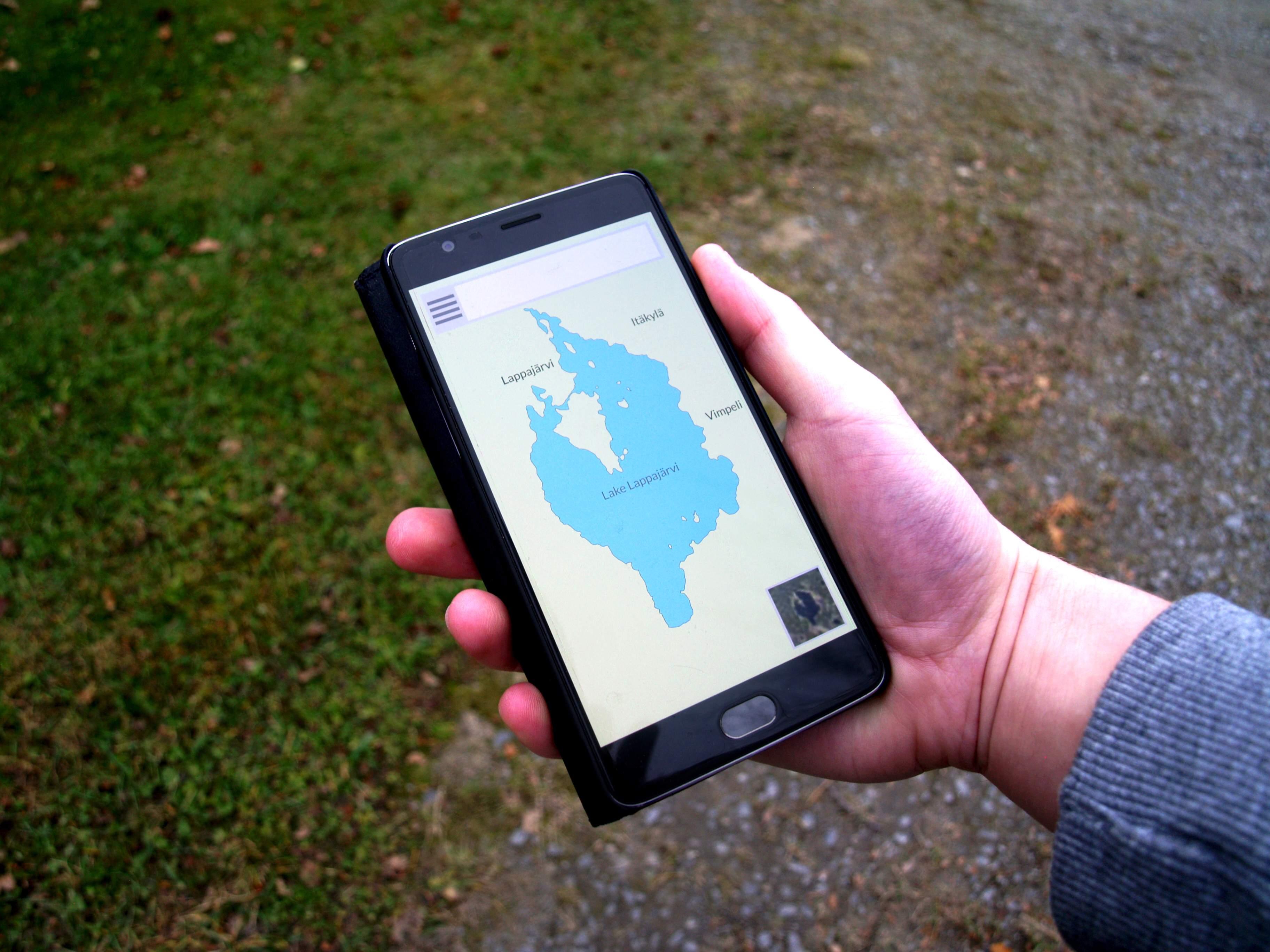
The phone is the most-used thing I pack
I have been taking my three kids through Southeast Asia for over a decade, and I can tell you exactly which piece of gear earns its place more than any other. It is not the carrier, the travel pram, or the magnetic kids' headphones. It is my phone, set up properly, with the right apps installed before we ever leave Brisbane.
Here is the thing nobody tells you about family travel in this region: the gap between a smooth day and a meltdown is usually logistical, not emotional. A taxi driver who quadruples the fare with two tired kids in the back. A ferry you did not know you could pre-book. A pharmacy you cannot find because Google Maps lost signal on the island. The right apps quietly remove those friction points, and a calm transfer keeps a four-year-old calm too.
So this is not a generic listicle scraped from a search ranking. This is what actually lives on my phone right now, grouped by the job it does, with honest notes on where each app works and where it falls over. App footprints in Southeast Asia shift fast, and a couple of the big names have changed dramatically just in the last two years, so I have checked all of this as of mid-2026.
Getting around: Grab, and the local apps that now beat it
Grab is the one app I tell every family to install before they fly. It is the regional super-app, working in Singapore, Malaysia, Thailand, Vietnam, the Philippines, Cambodia, Indonesia, and Myanmar. You order a car the way you would an Uber, the price is fixed and shown upfront, and you pay by saved card or in the app wallet. With kids, that upfront price is the whole game: no haggling at the kerb, no being talked into a fare because you have a baby on your hip and look desperate. You can also request a larger vehicle when you are travelling six-deep with grandparents, and GrabFood delivers dinner to the room on the night nobody can face a restaurant.
But Grab is no longer automatically the best ride app everywhere, and this is the part most older guides get wrong. In Vietnam, an all-electric service called Xanh SM (also branded Green SM) launched in 2023 and has grown so fast it overtook Grab to become the country's largest ride-hailing platform, with Grab now in second place and a third app called Be also widely used. The Xanh SM cars are newer, cleaner, and the fares often undercut Grab, so in Hanoi or Da Nang I run both apps and price-check. Gojek, which used to be a Vietnam option, pulled out of the country in late 2024, so ignore any guide still recommending it there.
Indonesia is the exception that keeps Gojek relevant. Across Bali and the major Indonesian cities, Gojek and Grab compete head to head, and Gojek's GoRide motorbike-taxi option is genuinely useful for an adult travelling solo through Denpasar traffic, though I do not put my younger kids on the back of a scooter. For a family of four, stick to the car options in either app. One more backup worth having: in Bangkok, Bolt frequently beats Grab on price during surge periods, and inDrive, where you propose your own fare and a driver accepts, exists in several markets if you want a negotiating option. I keep Bolt installed purely as insurance for the 5pm Bangkok crush.
Maps that work when the signal does not
Google Maps is the default and it is excellent across Southeast Asia, but the single most important feature for families is one most people never switch on: offline maps. Before we leave the hotel wi-fi each morning, I download the day's region so the whole map keeps working when the eSIM hiccups on a ferry, in a rural valley, or down a Hoi An laneway. Search a city, tap the name, choose download, and you have the area cached. This has saved us more times than I can count, usually at the exact moment a child announces they need a toilet right now.
For anywhere genuinely off the main tourist track, I also carry Organic Maps. It is free, it has no ads or tracking, and it runs entirely offline on crowd-sourced OpenStreetMap data, which means rural footpaths, temple complexes, and village tracks are often mapped in more detail than the commercial apps manage. It is the community-maintained successor to the old Maps.me that backpackers used to swear by, and it is the one I reach for on hiking days or when we are somewhere small enough that Google's coverage thins out. Between Google Maps offline and Organic Maps, you should never be genuinely lost with kids in tow.
Talking to people: translation and the messaging apps that matter
Google Translate is the workhorse, and the trick again is to download the offline language packs for each country before you go: Thai, Vietnamese, Indonesian, Khmer, whatever your route covers. The camera mode, where you point the phone at a menu or a pharmacy label and it overlays the English, is the feature my kids find magic and I find genuinely essential when I am trying to work out whether a snack contains peanuts. Conversation mode, where each person speaks and the phone translates aloud, has smoothed over plenty of moments with a market seller or a clinic receptionist.
Messaging is where most travellers get caught out, because Southeast Asia does not run on one app the way the West runs on WhatsApp. In Thailand, everything runs on LINE: your guesthouse, your private driver, your cooking-class host will all want to LINE you rather than email. In Vietnam, the equivalent is Zalo, used by the overwhelming majority of the country, and many small operators will only confirm bookings through it. WhatsApp covers a lot of the rest, including Singapore, Malaysia, Indonesia, and Laos. My practical approach is to install LINE before Thailand and Zalo before Vietnam, keep WhatsApp on permanently, and accept that the small family-run tour I want to book may only be reachable on whichever one the locals actually use.
Staying connected: why I stopped buying SIM cards at the airport
For years the family ritual was queuing at a SIM kiosk in arrivals with three jet-lagged kids while I fumbled with a paperclip. That is over. Now I buy an eSIM before we fly, and the phone has working data the moment we land, which means I can order the airport Grab while we are still walking to baggage claim. For a family that arrives frazzled, that one change has probably bought back more sanity than anything else on this list.
Airalo is the one I use most. You buy a data plan in the app, and its regional Asialink package covers around eighteen countries including the harder-to-cover ones like Cambodia and Laos, so a multi-country trip needs just the one plan. A few honest caveats: these eSIMs are data-only, so you do not get a local phone number for SMS, and they need a phone that supports eSIM, which rules out some older and budget handsets. For the kids' devices I do not buy separate eSIMs; I just turn one parent phone into a hotspot. Nomad and Saily are reasonable alternatives if you want to price-compare, but for most families one Airalo regional plan on each adult phone is the simplest setup that works.
Booking trains, ferries, and the things Google cannot
Google can tell you a ferry exists; it usually cannot sell you a ticket. The app that fills that gap across Southeast Asia is 12Go, a Bangkok-based platform that books trains, buses, ferries, and some flights across the region in one place. This is how I reserve seats on the overnight train, or lock in the fast-boat to the islands so we are not standing on a jetty at dawn hoping for space with a pram. Having an actual booking, with seat numbers, turns the most stressful travel days, the inter-city moving days, into something a family can manage.
For activities and tickets, Klook is the one worth having. It sells attraction entry, day tours, and airport transfers, often with skip-the-line entry that is worth its weight when a queue is the difference between a good afternoon and a tantrum. I cross-check its prices against booking directly, because it is not always cheaper, but the convenience of pre-booked tickets on a phone is real with kids. On the accommodation side, Agoda consistently has the strongest Asian hotel inventory and is where I find family rooms and apartments with a second bedroom, while Traveloka is particularly strong for flights and hotels within Indonesia and the Philippines if your trip stays in those countries.
Money, payments, and not getting caught out
I keep a currency app on the phone purely so nobody in the family can be talked into a bad exchange. XE Currency caches the latest rates and works offline, so when a driver or a market stall quotes a number I can sense-check it in two seconds rather than doing dodgy mental maths in front of an expectant seller. It sounds trivial; it has saved us real money and a few arguments.
On payments, the ride apps double as wallets. GrabPay, topped up in the app, covers rides and a lot of food and retail in Singapore and Malaysia especially, and in Indonesia the Gojek and local QR systems are everywhere. Cash still matters more than at home, though: street food, small warungs, temple donations, and the best little family-run restaurants are frequently cash-only. My rule is to carry enough local cash for a day, lean on the apps where they are accepted, and tell the older kids upfront that not everything here taps, because a thirteen-year-old who expects to pay by phone everywhere will be surprised.
How I actually set the phone up before we fly
The apps only help if they are ready before you leave home wi-fi, so here is the order I do it in. A week out, I install Grab and the country-specific ride apps for our route, buy the Airalo plan but do not activate it yet, and install LINE or Zalo depending on where we are going. The night before, on home wi-fi, I download the offline Google Maps regions, the offline Google Translate language packs, and our 12Go and Klook bookings so they live in the app even without signal.
For the kids' own devices, I keep it deliberately boring: downloaded shows, downloaded music, downloaded games, all sorted before we leave so the flight and the long transfer days do not depend on a connection. I do not put ride or payment apps on a child's phone. I do put our accommodation address, saved as a screenshot in their photos and pinned in Google Maps, on my older two's phones, so if we ever got separated they can show a driver where home is. That single habit is worth more than any clever app.
One last thing on practicalities, because this is where family guides usually go quiet: nappies, formula, common medicines, and SIM-free data are all easy to find across urban Southeast Asia, and your phone is how you locate them. Searching the local pharmacy chain in Google Maps, then translating the label with the camera, is the everyday workflow that turns a worrying moment with a sick kid into a solved problem.
The bottom line
You do not need thirty apps. You need Grab plus the right local ride app for each country, Google Maps with offline regions, Google Translate with offline packs, an Airalo eSIM, 12Go for the moving days, and whichever messaging app the locals actually use. Add Klook and Agoda for booking, XE for money, and Organic Maps for the rural days, and you are genuinely covered.
Set all of it up on home wi-fi before you fly, and Southeast Asia becomes what it actually is for families: one of the easiest, most rewarding regions in the world to travel with kids. The phone does not replace being present with them; it just clears away the logistics so you can be. That is the whole point, and it is why these dozen apps earn their place on my screen, trip after trip.
Australian family-travel writer based in Brisbane. Mother of three. Family-friendly SE Asia, multi-gen trips, the boring practical bits.
✦ More from Emma Wilson


✦ Keep reading
More from this region


✦ Discussion
Start the discussion
No replies yet — yours could be the first.