
Why go
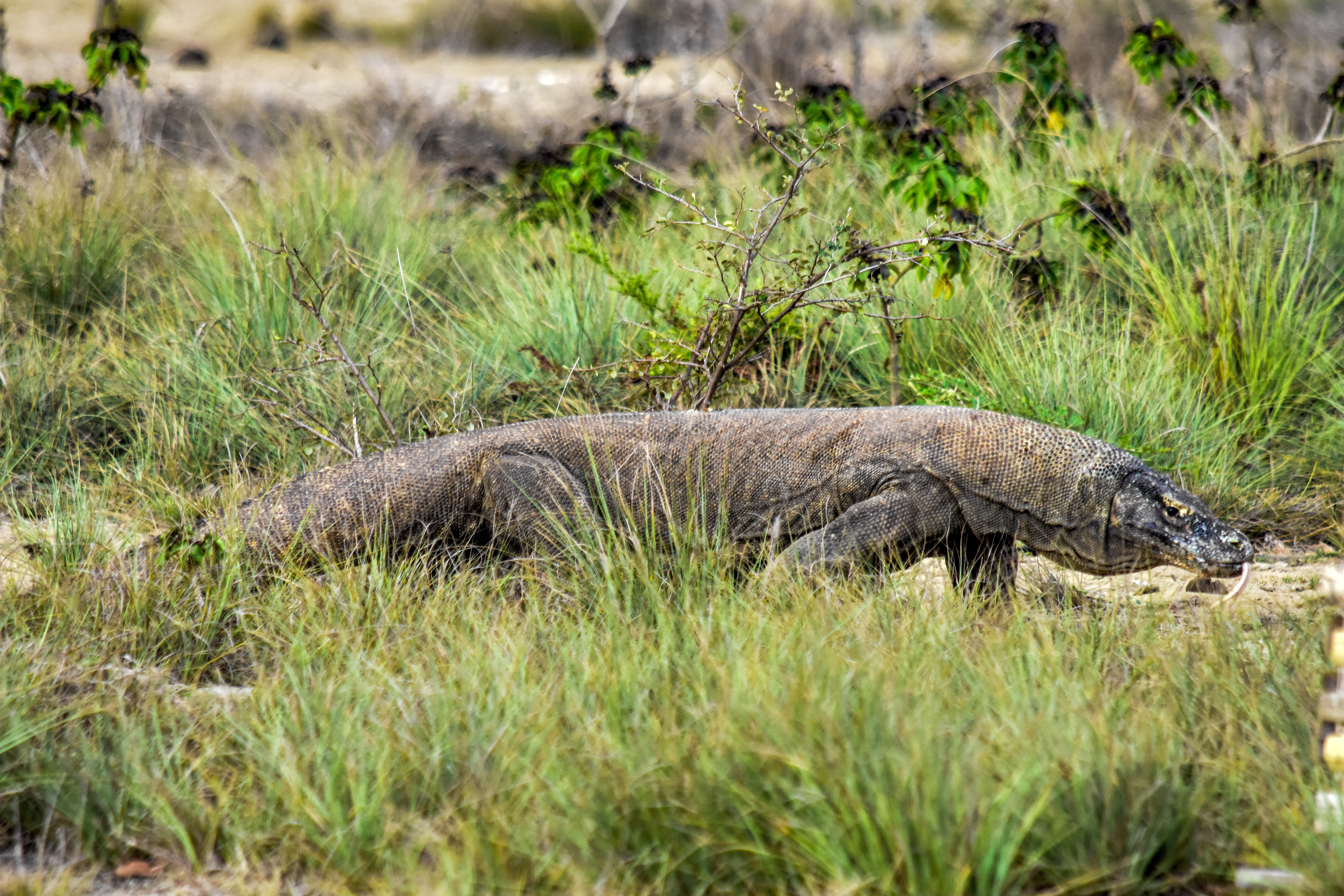
Komodo is one of those places that lives up to the hype and then keeps going. Yes, the dragons — three-metre monitor lizards that exist nowhere else on Earth — but the real surprise is the water. The park sits in the Coral Triangle, the most biodiverse marine zone on the planet, and a single snorkel can put you alongside manta rays, turtles, reef sharks and walls of fish. On land, the Padar Island viewpoint delivers the three-bay panorama you've seen a hundred times online, and it's better in person. For a solo woman, Komodo is genuinely rewarding: most of your time is on the water with a small group, the rhythm is communal without being clingy, and the landscape does the heavy lifting. It's not a party-hostel circuit and it's not a temple-and-shopping trip — it's nature at full volume. The catch is that everything funnels through boats, and boats are where the planning matters. Get the operator right and Komodo is one of the safest, most jaw-dropping things you can do in Indonesia. Get it wrong and you're cutting corners in strong currents with no life jacket. This guide is mostly about getting it right, because the payoff is enormous and the difference is entirely in your hands.
When to go
The dry season, April to October, is the straightforward answer: calm seas, reliable boats, golden savannah hills, and the best odds of comfortable sailing. June to September is peak — busiest, hottest, and the Padar hills are a rusty brown. If you want Padar green, come right at the end of the rains, April or May, when crowds are thinner and the water is clear. Manta rays are the plot twist. Counterintuitively, the biggest aggregations come in the wet season, roughly December to March, when plankton-rich currents pull them in — but seas are rougher and more trips get cancelled. The sweet spot many divers swear by is the shoulder: September to November, with warm water, strong manta odds and still-manageable conditions. Mantas are resident year-round at cleaning stations like Manta Point, so you have a real chance any month; the season just shifts the numbers. Avoid sailing in genuinely bad weather full stop — most of the boat accidents around Labuan Bajo cluster in rough conditions, and no sunset is worth a panicked operator pushing out in a storm. If your captain wants to cancel for weather, that's a green flag, not a disappointment. Build a buffer day into your trip so a weather call doesn't blow up your whole itinerary.
How to get there
You fly into Labuan Bajo (LBJ) on Flores — direct from Bali (about 1.5 hours), Jakarta or Surabaya. From there it's day boats or liveaboards. A shared day boat hitting Padar, Pink Beach, Komodo or Rinca and a couple of snorkel stops runs roughly IDR 350,000–900,000 (USD 22–55) before park fees; private charters and multi-day phinisi trips climb from there. Liveaboards range from backpacker shared-cabin boats (around USD 150–250 for 3 days) to proper dive liveaboards (USD 400+ per day). Whatever you book, vet the operator like it's the only safety decision that matters — because it is. Between 2024 and 2025 the Labuan Bajo area logged at least 15 tourist-boat accidents, mostly from engine failure or sailing in bad weather. Ask directly: how many life jackets, is there a radio or EPIRB beacon, what's the backup if the engine dies, how many crew. Read recent reviews specifically mentioning safety. Pay a bit more for a smaller, well-reviewed boat over the cheapest seat. Park entry is now permit-only via the official SiOra system — book ahead, as walk-ups at the gate are no longer accepted and a daily 1,000-visitor quota starts April 2026. A licensed ranger must accompany you on every island.
Where to stay
Most trips split between nights in Labuan Bajo town and nights on a boat. LBJ has exploded with accommodation, from social hostels to mid-range hotels with pools on the ridge. For solo women, I'd anchor in the main town strip near the waterfront and Jalan Soekarno-Hatta: it's walkable, well-lit in the evenings, full of other travellers, and close to the harbour for early departures. Dorms and guesthouses like the established hostels here are sociable and safe, and they're the easiest place to find boat-mates to split a private charter. Spend for a private room with a lockable door if budget allows — you'll want a secure base for the gear you don't take on the boat. On liveaboards, ask about cabin layout before booking: solo-friendly boats offer same-gender shared cabins or a single-supplement private cabin, and reputable operators are used to solo women and will tell you the mix on board. I avoid overnighting on the cheapest open-deck boats, where you sleep on mattresses on deck with strangers and minimal facilities — fine for some, but worth knowing before you commit. The town generally feels relaxed and low-hassle; standard street smarts apply rather than anything Komodo-specific. Tampons are scarce here, so bring your own or a cup.
What to eat
Labuan Bajo eats well, and most of it is seafood pulled out of the same waters you've been snorkelling. The night market near the harbour (Kampung Ujung) is the classic move: pick your fish, squid or prawns from the ice, agree the price by weight before they cook it, and eat it grilled with sambal and rice for a fraction of restaurant prices. Confirm the number out loud so there's no surprise at the end — this is normal, not rude. Warungs around town do Indonesian staples cheaply: nasi goreng, mie goreng, gado-gado, and the local Flores specialty of se'i (smoked meat) if you eat it. A solid warung meal runs IDR 25,000–50,000 (USD 1.50–3), a seafood dinner at the market maybe IDR 80,000–150,000. The ridge-top cafes and bars have sunset views and Western prices to match — good for a treat, not every night. On the boats, food is usually included and tends to be generous home-style Indonesian: rice, vegetables, grilled fish or chicken, fruit, endless tea and coffee. Flag dietary needs (vegetarian, allergies) when you book, as smaller boats cook one menu for everyone. Drink bottled or filtered water, refill where you can to cut plastic, and carry electrolyte sachets — the sun on Padar is no joke.
Things to do
The dragons come first, and the ethics matter: you only walk on Rinca or Komodo Island with a licensed ranger, who keeps a safe distance and reads the animals' behaviour. These are genuinely dangerous wild predators with a serious bite — this is a guided wildlife encounter, not a petting zoo. Don't bait them, don't crowd them for a photo, and skip any operator promising guaranteed close-ups. Padar Island is the other headline: a short but steep sweaty climb (start early, bring water) to the three-bay viewpoint. Pink Beach gets its blush from red coral fragments in the sand, and the snorkelling straight off it is excellent. Manta Point is the showstopper — drift-snorkelling or diving with mantas at a cleaning station — but currents are strong, so you go in with a guide, every time, no exceptions. Kelor Island is a gentler, closer stop with a quick hilltop scramble and calm swimming, good if you want a lighter day. Komodo is a serious dive destination too; if you're certified, the park's currents and big-animal sites are world-class, but they demand a competent dive operator and honest briefings. Whatever you do on land, follow the ranger and respect the rangers' rules — they're the reason this place still works.
Solo female traveler from Bangalore. Safety advocate, responsible tourism, women-run cooperatives — empowering, never alarmist.
✦ More from Priya Sharma


✦ Discussion
Start the discussion
No replies yet — yours could be the first.