
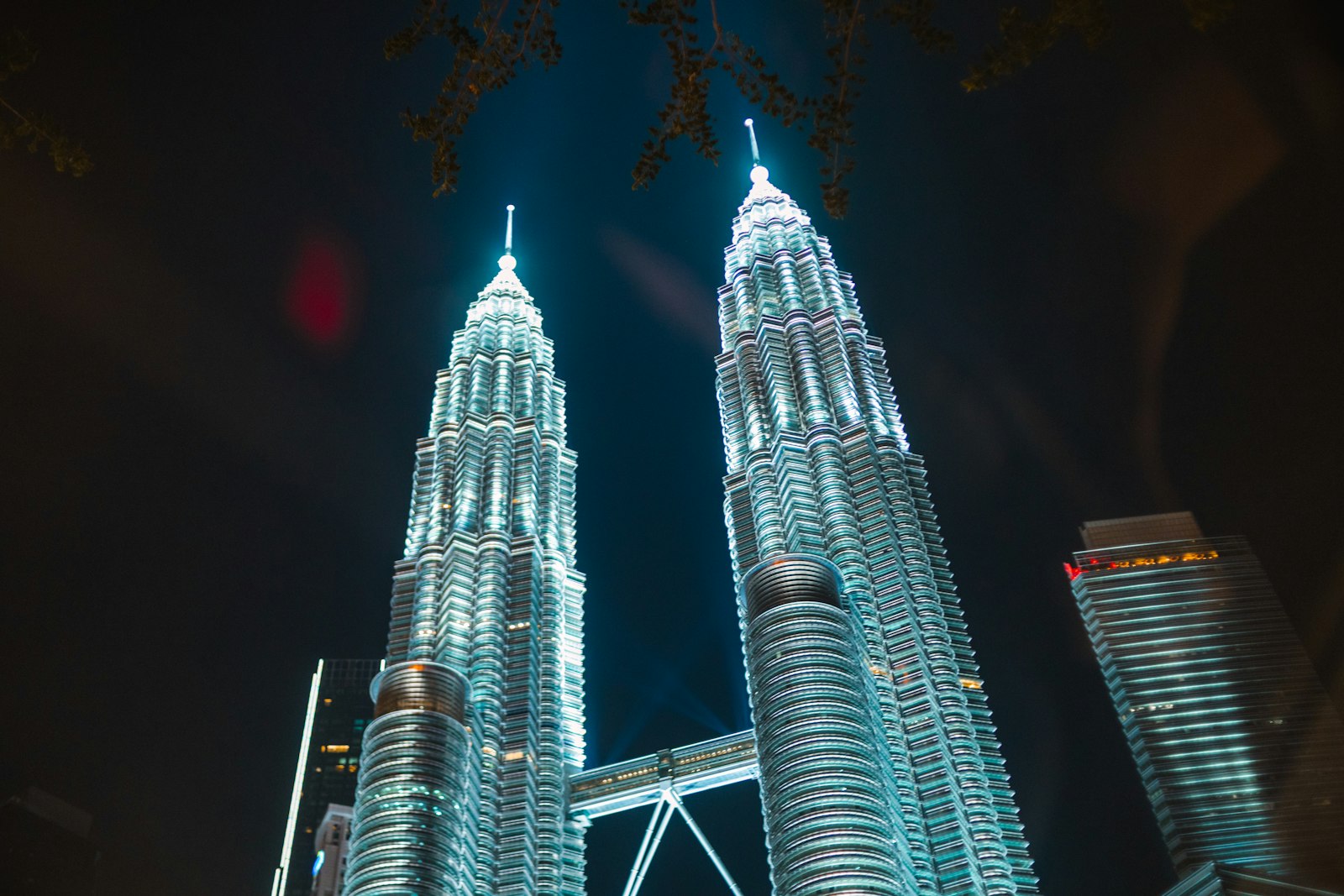
Is It Safe to Travel to Malaysia Right Now?
If you're asking this in late May 2026, you've probably seen a headline that spooked you — a flash flood in Kuala Lumpur, a tuberculosis outbreak, an "upgraded" advisory for Sabah. I'll tell you what's actually happening on the ground, what the panic is missing, and where I'd happily land tomorrow versus where I'd skip. I've travelled this region solo for years; Malaysia is one of the places I relax in, not one I brace for.
The honest answer
Yes — Malaysia is safe to travel to right now, and it sits comfortably in the low-risk tier for solo women. Both the major Western governments agree at the top line: the US State Department keeps Malaysia at Level 1, "exercise normal precautions," updated 22 February 2026, and the UK FCDO places no blanket warning on the country. That puts Malaysia in the same broad band as Japan or much of Europe, and a notch calmer than its more chaotic neighbours.
The late-May search spike you're part of is driven by three real-but-manageable stories, none of which should cancel a trip:
A tuberculosis outbreak. Real, ongoing, and the reason you'll walk through health screening at major airports — but it's a slow, chronic-disease story, not a fast-moving epidemic that threatens a two-week traveller. More on the actual risk below.
Monsoon flooding. The southwest monsoon (roughly May–September) has brought flash floods to low-lying parts of Kuala Lumpur (Kuchai Lama and the Klang Valley on 6 May) and to Johor, Kedah, Melaka, Perak and Sabah through the month. Disruptive locally, not life-threatening for a tourist who watches the forecast.
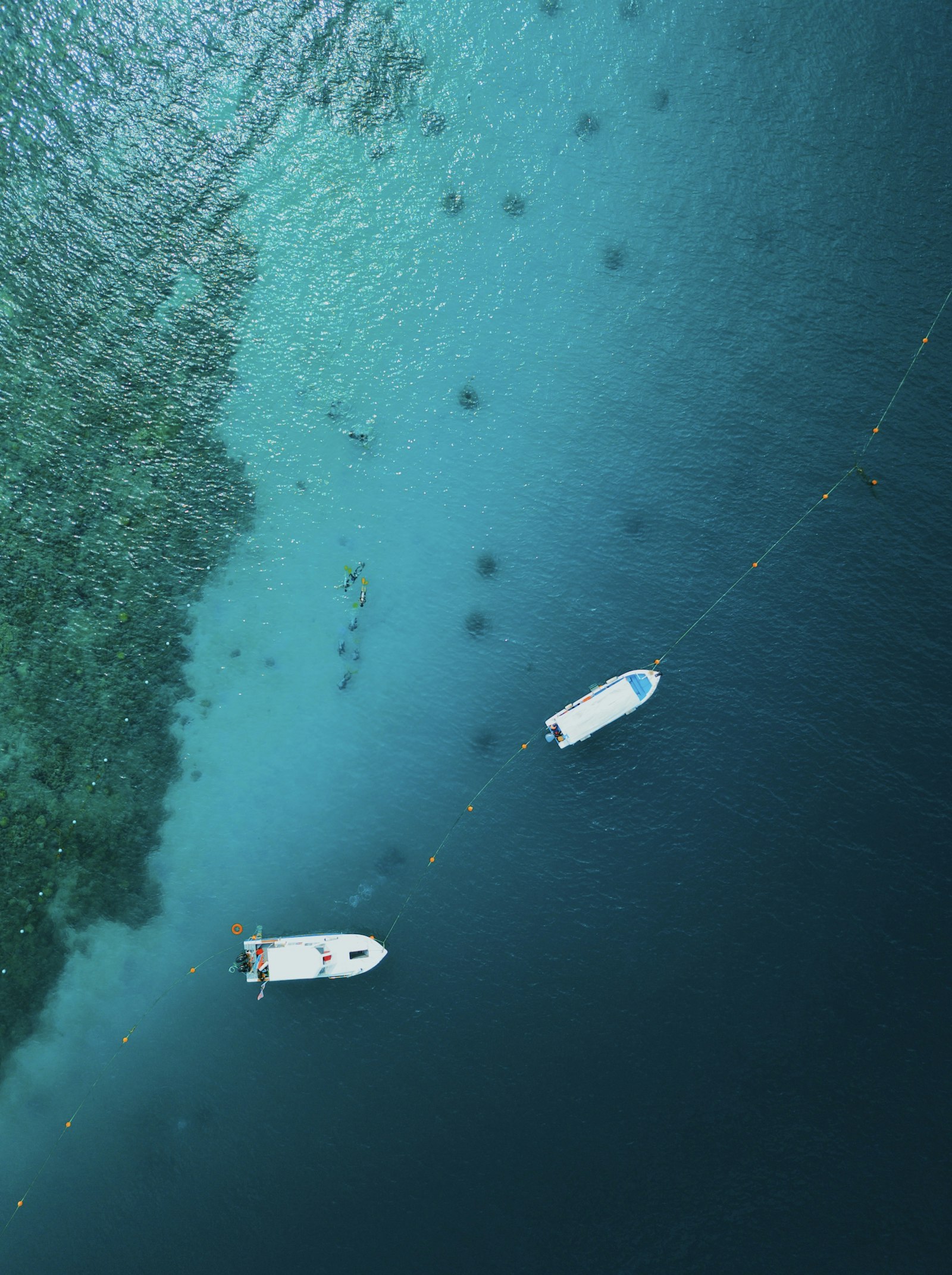
Eastern Sabah. The one genuine red zone — and it's a narrow strip of islands off the east coast, not "Sabah" or "Borneo" as a whole. Covered in full below, because the headlines flatten it badly.
Who Malaysia suits right now: first-time solo-Asia travellers who want infrastructure that works, near-universal English, and a low harassment baseline. Who should pause: anyone whose itinerary was built entirely around the east-coast Sabah dive islands (Sipadan-adjacent) — that specific plan needs a rethink, and I'll give you the workaround.
What to know before you go
The Digital Arrival Card is mandatory — and free. Almost every foreign visitor must submit the Malaysia Digital Arrival Card (MDAC) online within 72 hours before arrival. Do it at the official immigration portal only — type the address in yourself rather than clicking a sponsored search result, because copycat sites charge for a form that has always been free. Singapore citizens and a few other categories are exempt; everyone else, including infants, needs their own. The MDAC is not a visa — if your nationality needs a visa, that's a separate application.
The TB outbreak, in proportion. Malaysia logged a higher-than-usual tuberculosis caseload through early 2026, with Sabah, Selangor, Sarawak and Johor carrying the most cases, and you'll see thermal/health screening at KL International, Penang and Kuching. Here's the calibrated version: TB spreads through prolonged, close, repeated indoor contact — think living or working alongside an infected person for weeks — not from passing someone at a hawker stall or sitting on a train. The risk to a short-term traveller is genuinely low. If you'll be doing long-term volunteering in a healthcare or shelter setting, talk to a travel clinic about screening; for a normal trip, no special precaution is needed beyond the common sense you'd use anywhere.
Dress is relaxed — until it isn't. Malaysia is multi-faith and far less conservative day-to-day than the "modest Muslim country" framing suggests. In KL, Penang and the islands, normal travel clothes are completely fine. The hard rule is religious sites: cover shoulders and knees at mosques (most provide a robe and headscarf at the door) and dress modestly at temples. During Ramadan, eating or drinking conspicuously in public during daylight in more conservative states (Kelantan, Terengganu) reads as rude rather than dangerous — easy to sidestep.
Periods and pharmacies. Pads are everywhere; tampons are harder to find outside KL and Penang and pricier when you do. Watsons and Guardian pharmacies in the cities stock them, but if you rely on tampons, bring a supply or — my preference for this region — travel with a menstrual cup so you're never hunting. Pharmacies are well-stocked and pharmacists speak English.
Two laws worth taking seriously. Drug offences carry severe penalties up to and including the death penalty for trafficking — do not carry anything for anyone, ever. And same-sex sexual activity is criminalised under federal law; LGBTQ+ travellers are generally fine being discreet but should know public affection can draw negative attention and that authorities occasionally raid queer venues. This is context for a clear-eyed decision, not a reason to stay home.
Getting around safely
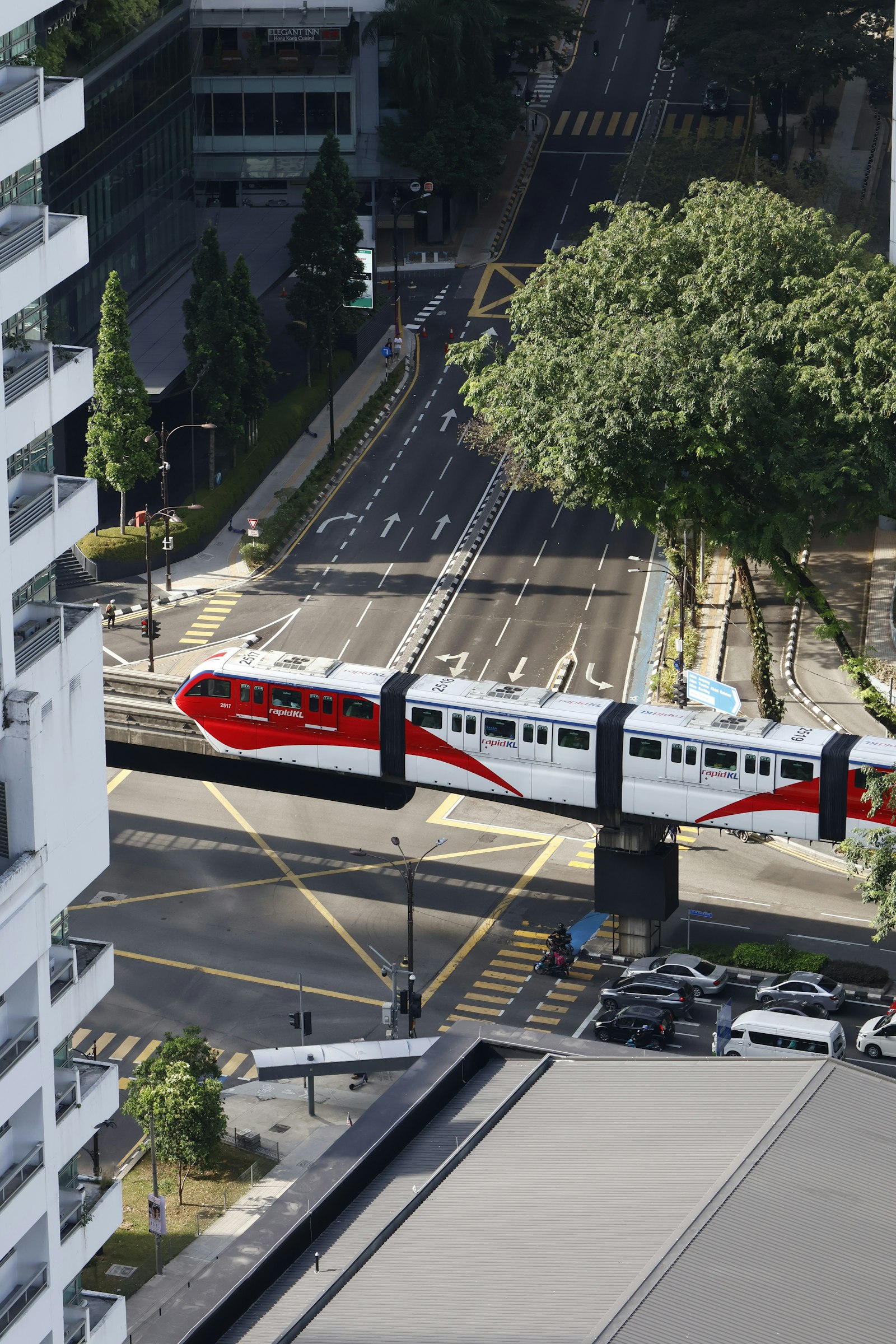
Kuala Lumpur has the best urban transit in the region after Singapore. The MRT, LRT, Monorail and KTM commuter lines are clean, cheap, air-conditioned and easy to use solo at any hour up to closing. KL's MRT and LRT also run women-only pink coaches during peak hours (look for the pink signage at the platform) — use them if you want, skip them if you don't; harassment on the network is low either way.
For door-to-door, use Grab (the regional ride-hailing app) rather than flagging street taxis. Grab gives you a fixed fare, a tracked route you can share, and a driver rating — it removes the meter-haggling and the late-night uncertainty in one move. It works across KL, Penang, Johor Bahru, Kota Kinabalu and most cities. This is the single biggest practical upgrade to a solo woman's night-time logistics here.
Petty theft is the realistic risk, not violence. The most common incident foreigners face is bag-snatching by thieves on motorbikes, especially in busy city areas — they ride past and grab. The fix is boring and effective: carry a cross-body bag with the strap across your chest and the bag on the side away from the road, and don't walk along the kerb scrolling your phone with it loose in your hand. Smash-and-grab from cars at lights happens too — keep bags out of sight, not on the passenger seat.
On flooding and the monsoon. This is the weather story to actually manage. Check the forecast and the NADMA / MetMalaysia flood warnings before moving between cities in May–September, build slack into tight connections, and don't attempt to drive or wade through floodwater — most monsoon deaths are people underestimating moving water, not tourists. KL's flooding hits specific low-lying pockets; the airport, the transit core and the major attractions generally keep running.
Where to stay
Kuala Lumpur is easy to base in solo. Bukit Bintang and KLCC put you in the walkable, well-lit, transit-connected core with tourist police nearby; Bangsar and Mont Kiara are calmer, more residential neighbourhoods where local professional women live. Pick a hostel or hotel that's a short walk from an MRT/Monorail station so your late returns are a two-minute walk, not a dark fifteen.
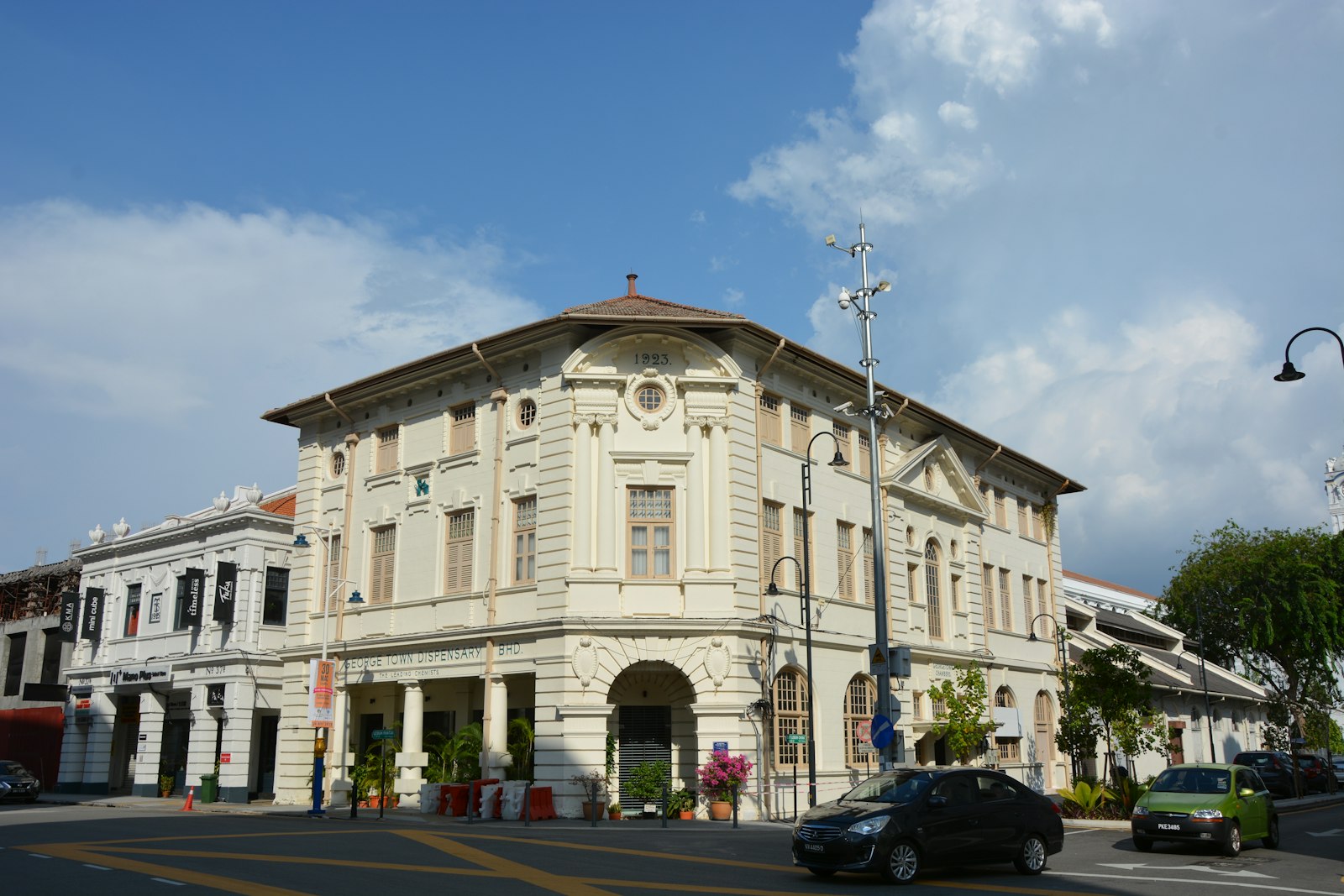
George Town, Penang is my sentimental pick and one of the friendliest cities in Asia for a solo woman — compact, heritage-shophouse-pretty, endlessly walkable, and full of small guesthouses run by people who'll point you to the right laksa stall. It's also a UNESCO heritage zone, so a lot of the accommodation is in restored shophouses with character.
Look for female-only dorms (common in KL and Penang hostels — Mingle, BackHome and similar mid-range backpacker spots offer them), and the universal solo-traveller rules apply: a door that locks properly, a reception that isn't deserted at night, and reviews from other solo women. The FCDO's one explicit women's-safety line for Malaysia is worth repeating because it's so simple: don't open your hotel room door to strangers late at night, however official they sound — call reception to verify first.
If something goes wrong
Save these in your phone before you land:
999 — the all-in-one emergency line for police, ambulance and fire. From a mobile you can also dial 112, which routes to the same place.
Talian Kasih: 15999 (or WhatsApp +60 19-261 5999) — the government's 24/7 helpline for women, children and vulnerable people in crisis, including abuse and assault. It can connect you to emergency protection and social-welfare support.
Women's Aid Organisation (WAO): +60 3-3000 8858, or text/WhatsApp TINA at +60 18-988 8058 — an established NGO offering confidential support, counselling and shelter referrals for women facing violence. Real people, not a hotline that goes nowhere.
Tourist Police — KL has a dedicated tourist police presence in Bukit Bintang, KLCC and Chinatown; they're your easiest English-speaking first contact for thefts and lost documents.
If your passport is stolen, file a police report (you'll need it for the replacement and for insurance) and contact your embassy in Kuala Lumpur — most Western embassies are clustered in the KLCC/Ampang diplomatic area. If you experience assault, you can go straight to a hospital; major hospitals have One-Stop Crisis Centres (OSCC) in the emergency department designed to handle gender-based violence with medical care and a police interface in one place. You do not have to navigate it alone, and you do not have to report to police to receive medical care.
Where your money goes
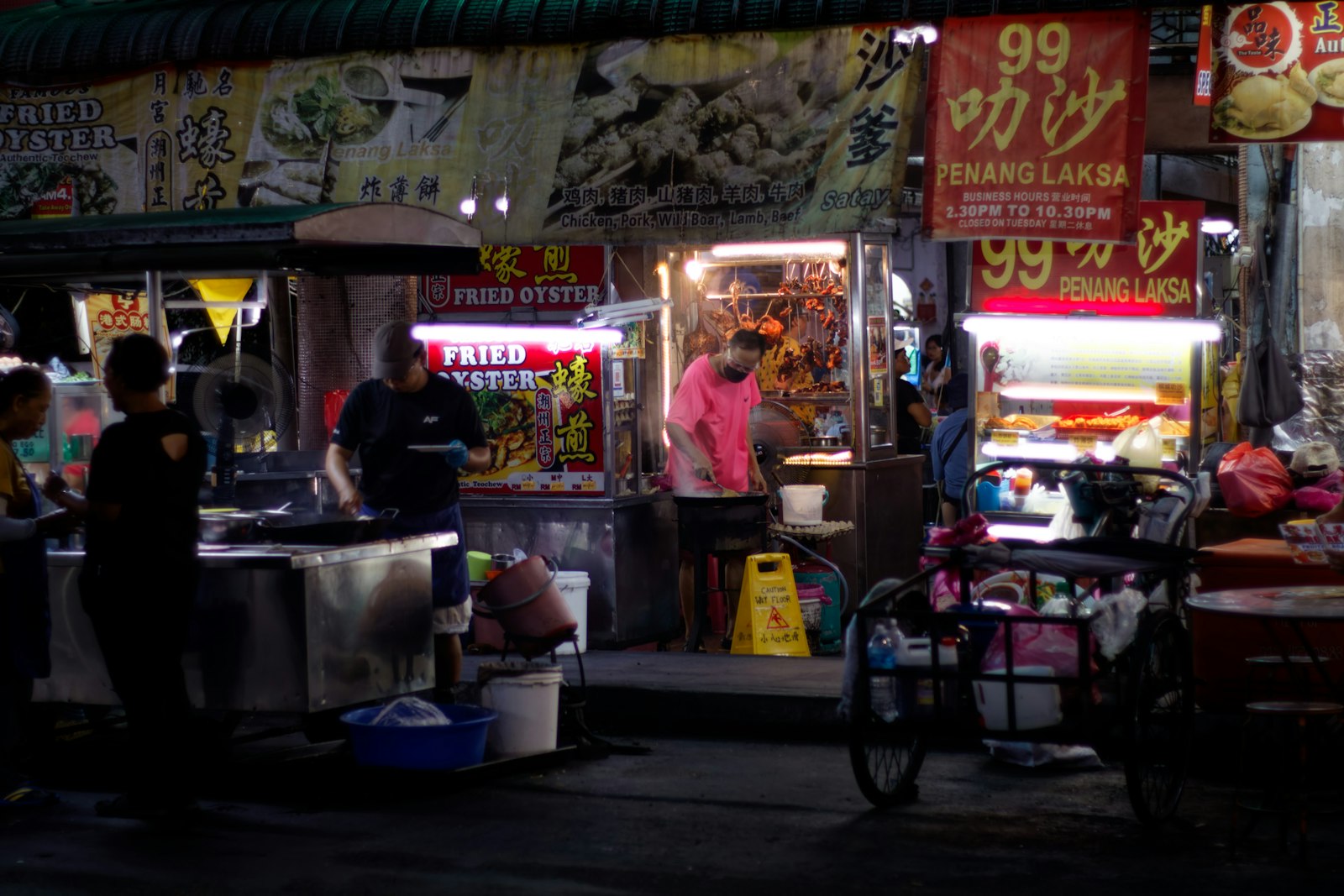
Malaysia makes it easy to spend in ways that land locally. Eat at hawker centres and night markets — George Town's street-food scene, KL's Jalan Alor, the pasar malam (night markets) in any town — where your ringgit goes directly to small family operators, often women running the stall. It's also the best food in the country, so this isn't a sacrifice.
In Sabah and Sarawak, choose community-based tourism over generic resort day-trips: longhouse homestays and village-run experiences (look for operators certified or listed by the Malaysia Homestay programme) put money into rural and Indigenous Dayak communities rather than a chain. For wildlife — and Borneo's orangutans are a real draw — go to genuine rehabilitation and conservation centres like Sepilok in Sabah, and steer clear of any operation that offers selfies holding sedated animals or promises guaranteed close contact. Ethical wildlife means you watch on the animal's terms, from a distance.
The bottom line
I'd go — and for most of you, right now, I'd barely change my plans. Malaysia is calm, navigable, and welcoming to women travelling alone; the genuine risks are a snatched bag, a monsoon downpour, and one narrow corner of the country.
Here's how I'd go: base in Kuala Lumpur and George Town, move on the trains and Grab, keep my bag cross-body, and watch the flood forecast like a local in May–September. If Borneo's on your list, I'd visit Sabah's mainland and the Kota Kinabalu side freely — but I would skip the east-coast dive islands from Sandakan down to Tawau (Lankayan, the Semporna archipelago, Sipadan-adjacent waters) while the kidnapping advisory stands, and dive elsewhere. Both the US and UK governments single out only that maritime strip; the rest of the country isn't in question. Save the emergency numbers, fill in your free arrival card on the real portal, and enjoy one of Asia's most underrated trips.
Solo female traveler from Bangalore. Safety advocate, responsible tourism, women-run cooperatives — empowering, never alarmist.
✦ More from Priya Sharma


✦ Keep reading
More from this region


More in Destinations
✦ Discussion
Start the discussion
No replies yet — yours could be the first.